
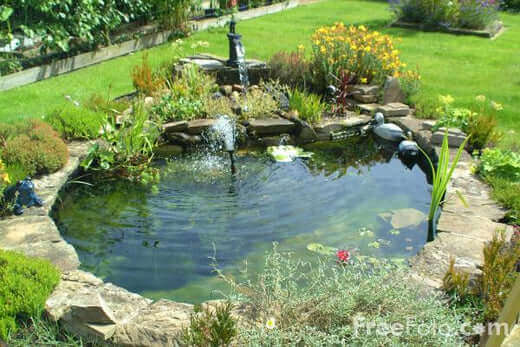
The Complete Guide to Water Gardening in Tennessee
In Tennessee‚ a water garden requires good six hours a day of sun‚ a pump that is properly sized to the water garden‚ and the balance of oxygenators‚ marginals, and floaters to create a balanced environment that does not require constant chemical adjustments․ If you get these three things right to start with‚ your weekends can be spent enjoying the pond instead of combating algae and murky water․
Most of the state lies in USDA hardiness zones 6b through 8a‚ so the water gardener has a fairly wide margin for success․ Most hardy water plants and fish can normally be kept outdoors year round if the pond is deep enough to keep it from freezing solid․ This differs from gardeners further north who need to haul their plants indoors or drain their systems every fall․
Picking the Right Spot
Virtually all aspects of your water garden's performance will be determined by its location‚ but the most important feature of your location is sun: your water lilies and most other flowering water garden plants need six to eight hours of full sun․ And too much hot afternoon sun on a July day in Tennessee means the water is too warm for the fish and too hospitable for the algae․
A reasonable compromise is sun at least from morning to midday‚ with some afternoon shade such as from a nearby tree or a pergola․ Do not site your pond beneath a deciduous tree․ While a tree-shaded pond may be more pleasant for you‚ you will be constantly hauling leaves out of the water in the autumn‚ and leaf litter will quickly change your water chemistry․
Similarly‚ don't forget drainage: low spots capable of collecting water during a rainstorm can also collect lawn chemicals and silt and empty directly into your pond․
Sizing It Correctly
As the old saying goes‚ don't try to make a water garden larger than your yard․ But that is not very practical․ The best way to think about it is that a pond of less than 50 gallons is going to be hard to keep stable․ The relatively small quantities of water used mean the temperature and pH change much faster than in larger systems‚ stressing fish and plants․
If pond space is available‚ try for a first pond at least 100-150 gallons (380-570 L)‚ or 6 x 4 feet and 18 to 24 inches deep․ In Middle and East Tennessee‚ its 24-inch depth at one location helps provide a place for fish to escape the rare hard freeze‚ and helps keep water temperatures lower during the summer heat․
Building the Basic System
A water garden is composed of four basic components: the liner or shell‚ the pump and filter system‚ the edging or capping material‚ and the plants and fish․
Flexible rubber liners (EPDM) give the greatest design flexibility for unusual shapes‚ and are used by most experienced installers․ Preformed rigid shells are easier for first-timers to install as their first pond‚ but are limited to whatever shapes and sizes are readily available․
In order to achieve proper filtration‚ the pump must cycle the entire volume of water in the pond once every hour or two․ For a 150-gallon pond‚ a pump rating of 75 to 150 gallons per hour would be sufficient‚ but most put in a pump larger than minimum to compensate for head height and filter resistance․ A biological filter is essential for the ammonia and nitrite generated by the decomposition of fish waste; most new aquarists regret not getting one sooner․
Edging is also important․ Flat stones or pavers‚ that hide the liner edges‚ keep the UV rays from deteriorating the liner edges‚ and keep excessive spring rains (which are common for Tennessee) from washing grass or mulch into the water body․
Choosing Plants: There are Three Layers
A successful pond needs plants with different functions‚ not just plants with different looks․
Submerged oxygenators‚ which are mainly those plants that grow completely underwater‚ make up the bulk of the pond․ Anacharis and hornwort are among the easiest to grow in Tennessee's hot summers․ They use up excess nutrients before any algae can․ Without proper oxygenators‚ even a well-filtered pond is likely to be green and cloudy by midsummer․
One of the best things you can do to control the algae growth is to cover the surface of the pond with floating plants․ Water hyacinth and water lettuce grow rapidly in our hot summers․ They will not survive a hard freeze‚ and are generally treated here as annuals‚ but some gardeners overwinter a few in a bucket by a sunny window․
Most of the visual interest comes from marginal plants‚ which grow along the edge of the pond․ They are generally in 2 to 6 inches (51 to 152 mm) of water․ In Tennessee‚ good examples are pickerel rush‚ sweet flag‚ and cardinal flower․ The flowers attract insect and hummingbird pollinators to the water's edge․ TN Nursery has a fair selection of Southeastern pond marginal and bog plants‚ so you don't have to guess which one is best for your zone․
Water lilies are also worth mentioning‚ as they are often the centerpiece of a typical pond․ Hardy lilies grow in Tennessee ponds as long as the root crown is below the freeze line (usually 18 inches)․ Tropical lilies‚ which produce more flowers per plant and a wider range of colors‚ must be grown as an annual or indoors in cold weather․
Fish and What They Actually Do
As well as being decorative‚ goldfish and koi will eat mosquito larvae and algae and other detritus‚ making them a low-maintenance form of cleanup․ The caveat of keeping plants to purify the water remains relevant‚ as fish poop supplies nutrients for algae growth that it would consume before a plant could process them․
Don't overstock․ 1 inch per 10 gallons of water is a good starting ratio․ Overstocking is the single most common mistake new water gardeners make‚ and it will result in muddy‚ algae-choked water no matter how good the filtration system is․
Seasonal Care in Tennessee
Spring is for cleaning out winter debris‚ splitting overcrowded marginals‚ and firing up the pump‚ when daytime high temperatures are consistently above 50 degrees Fahrenheit․
In summer‚ watch for evaporation (especially in Tennessee, where water often drops in July and August in a week) and‚ if using municipal water‚ replenish with dechlorinator․
In fall‚ net out falling leaves before they sink and decompose‚ and cut back dying foliage on marginals․
If your pond is deep enough‚ it requires very little maintenance during the winter․ If you have fish in your pond‚ make sure that the surface water does not freeze in an area‚ a floating de-icer or an aerator can be used for this purpose․
Getting Started
Of all types of gardening‚ water gardening requires the greatest patience‚ since it may take six to eight weeks after the installation of a new pond for it to balance․ Don't worry too much if the water looks a little green at first if you stock well‚ and use plants that are well suited to your area‚ and give it time․ TN Nursery's water and bog plant options are grown in the same climate that your pond will live in‚ so they get a real head start toward that balance․
"

