
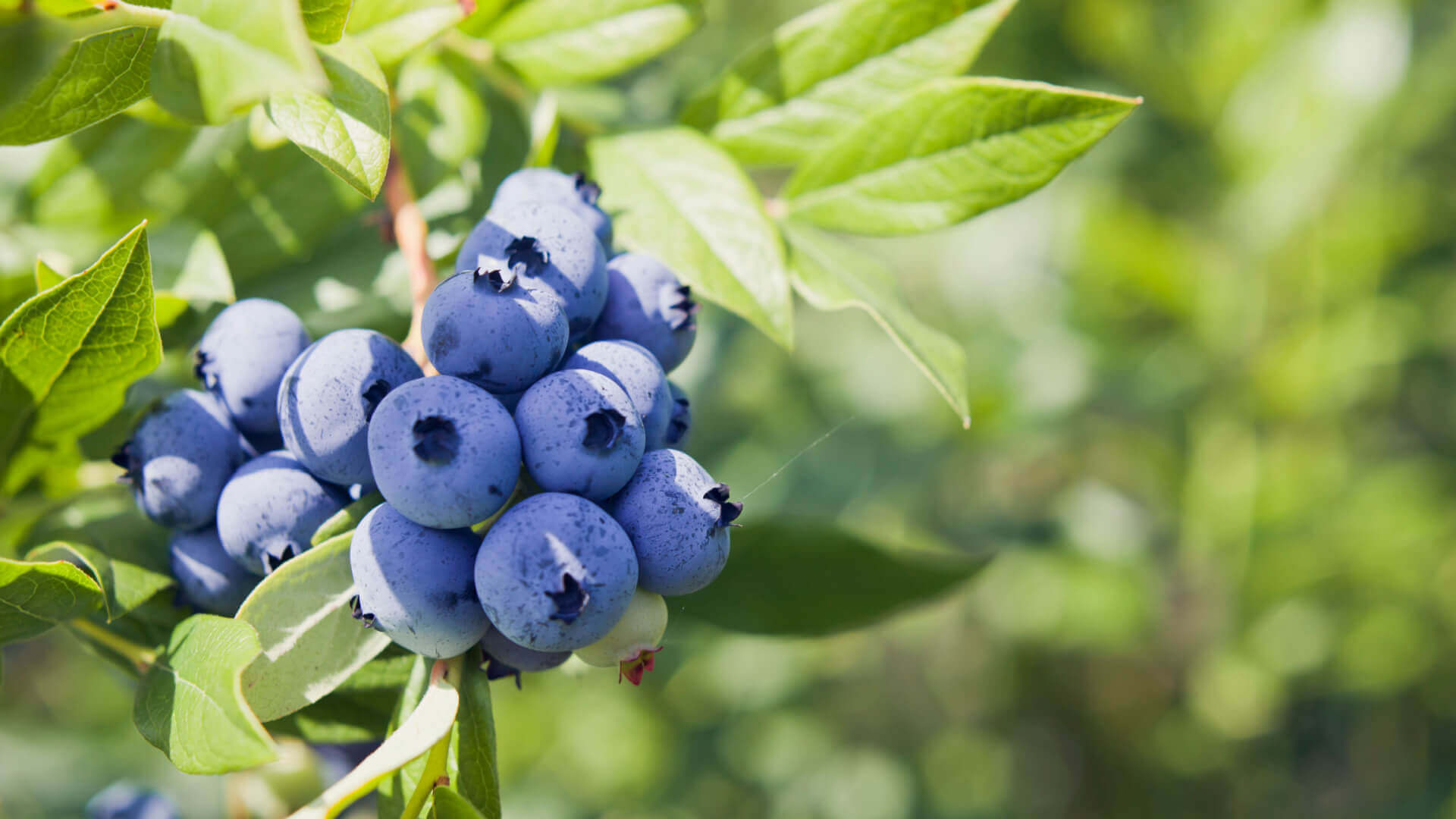
Growing Highbush Blueberries: A Complete Guide to Planting and Caring for Blueberry Plants
Highbush blueberries thrive best in soils with a pH level between 4․5 - 5․5‚ with full sun exposure and relatively moist levels of moisture․ The plant does the majority of the work․ In Tennessee and the Southeast‚ you'll be digging in clay dirt and adding lots of amendments long before you ever put a plant in the ground․ Most of our native dirt runs neutral to alkaline․ It also shows how to get started‚ the timeline for spacing and pruning‚ and various techniques that can be the difference between a good blueberry patch and one that yields gallons of berries each July․
Consider TN varieties for Tennessee
Highbush blueberries (Vaccinium corymbosum)‚ the type of blueberry most often grown in home gardens‚ grow well in USDA zones 5 through 8․ They do well in all parts of Tennessee․ Other varieties for most of this region include the standard 'Bluecrop'‚ and 'Duke'‚ an earlier‚ disease resistant variety that produces early in the season and can be grown as an early fresh market blueberry․ 'Jersey'‚ an older‚ long popular variety has an excellent reputation for disease resistance and yield‚ although it is late ripening․
In some of the sources‚ it doesn't mention that you need to plant at least two varieties for cross-pollination․ Although highbush blueberries are self-fertilizing‚ they produce better and larger fruits with cross-pollination․ For example‚ early varieties such as 'Duke' can be planted alongside mid-season varieties such as 'Bluecrop'‚ making the growing season run from late June to August․
TN Nursery grows and ships bare-root and container blueberries well-suited to the growing conditions in the Southeast․ Starting with healthy‚ regionally adapted stock matters more than most people expect - a plant that's already struggling to acclimate will lag a full season behind one that was grown for your climate․
Soil Prep: The Step Most People Get Wrong
Most new blueberry growers should beware of the pH before ever planting a seed․ If the pH is above 5․5‚ blueberries as calcifuges will not absorb iron‚ manganese‚ boron and other micronutrients․ If the soil test is 6․5 or 7 (as much is the case in Middle Tennessee)‚ prior to planting‚ amendments should be made․
If possible‚ have your soil tested with a kit from your county extension office a full season in advance․ If you plan to acidify the soil‚ add elemental sulfur a few months before planting; pH change is caused by microbiological processes in the soil‚ and requires a few months of preparation․ You could also try adding peat moss‚ but this would not work with truly alkaline soil․
You have to dig holes twice as wide as the root ball ( and no deeper)․ Then mix equal parts of native soil‚ peat moss and compost․ Because blueberries have a shallow‚ fibrous root system‚ care must be taken to loosen the top 12 - 18 inches (30 to 46 cm) of soil․
Planting and Spacing
Plant the spring after the last anticipated hard frost‚ or in the fall (it is best to do this in October in Tennessee) so that the roots become well established before the summer heat․ Plant at the same depth as it was growing in its container․ Poor performance can often be attributed to planting too deep․
Space plants 4 to 5 feet (1․2 to 1․5 m) apart in the row‚ and 8 to 10 feet (2․4 to 3․0 m) apart between rows․ Close spacing reduces airflow between plants and can encourage diseases from fungus species like mummy berry and stem blight during the humid summer months․
Apply a mulch of pine bark‚ wood chips‚ or old sawdust 2 to 4 inches (5․1 to 10․2 cm) deep immediately after planting․ Pine bark will acidify the soil as it breaks down․ Leave an inch or two (2․5 to 5․1 cm) of space between the main stem and the mulch to prevent crown rot․
Watering: The Common Struggle for Southeast Growers
Blueberry bushes have shallow roots‚ which grow no deeper than 8 to 10 in (20 to 25 cm)‚ so on a typical July day in Tennessee‚ the roots dry out very quickly․ A newly planted bush needs about 1 in (2․5 cm) of water a week‚ while an established bush needs more water‚ especially when bearing fruit; as much as 1․5 to 2 in (4 to 5 cm) a week during long periods of dry weather․
Another benefit of drip irrigation or using soaker hoses instead of sprinklers is that wet foliage in humid conditions provides an ideal environment for leaf spot and other fungal diseases common in the southeast US․ Water in the morning if you're using any overhead method at all so the leaves will dry by evening․
Feeding Your Plants
It may be helpful to use a fertilizer for acid loving plants‚ such as those for azaleas or rhododendrons‚ as these plants have similar soil and growing conditions․ Lightly fertilizing early in spring‚ before the buds break‚ is recommended․ Another light application six weeks later will be sufficient․ Do not fertilize after early July‚ for the tender growth of late summer will not harden before frost․
For organic amendments‚ cottonseed meal and composted pine bark will sustain the plant and keep the pH low forever․ Never add anything with lime or wood ash anywhere near your blueberries (including in your water) because they will raise the pH and defeat the pre-planting preparation you have done․
Pruning for Production
However‚ most new growers don't understand that flower buds should be pruned off during the first two to three years after planting․ The plants are using all their energy to grow roots and branches rather than fruit․ Although seemingly counter-intuitive‚ if fruit is left to mature too early‚ the plants will remain small and weak for several years․
From year three or four on‚ once a year at the end of winter (dormant season) in February in Tennessee:
All dead‚ injured‚ or diseased wood should be removed‚ as should the oldest and thickest canes‚ which are at the base․ Highbush blueberries give the heaviest yields on two- to four-year-old wood․ Canes older than 6 years should be pruned down to the ground to permit new wood․ Low‚ branch-touching canes should be pruned to allow air and light to penetrate the inner canopy of the tree․
When finished pruning‚ the bush should have eight to twelve main canes‚ or stems‚ of various ages remaining․
Common problems in Southeast gardens․
Birds are the biggest problem to your crop․ Netting over your bushes when the fruit starts to blush is often the only real solution․ If the pH has crept above the optimum level‚ the new growth will be yellow with dark green veins (chlorosis) which can almost always be quickly corrected by a soil test and applications of sulfur․
Japanese beetles can be a problem from June to July‚ skeletonizing leaves․ Handpicking these beetles off small patches and encouraging them to fall into soapy water can be effective․
What to Expect: Timeline
Bushes usually bear little or no fruit the first two years‚ with full production beginning after six years․ Once established‚ bushes may bear fruit for over 20 years․ A mature bush typically produces 6 to 8 pounds of fruit․ It is an investment for the future․ One good planting in the appropriate situation in the well-tilled‚ acid soil of Tennessee will outgrow three that were made over a wider range of pH․


