
Aesthetic and Practical Uses of Groundcovers
Groundcovers‚ or the unsung heroes of the gardening world‚ are the plants often relegated to the perimeter or rear of a garden bed․ These low-growing plants serve a vital role in improving the aesthetic value of your garden‚ park or city and present many other benefits as well․ Groundcovers fill in the space between larger plants in the same way as mulch․ Groundcovers are important in improving the appearance of the landscape and providing ecosystem services․ Many plants can serve as groundcovers․ Numerous such plants could be used to help convert vacated or otherwise empty lots into productive and beautiful ecosystems․
Groundcovers have fans in many species and climate conditions․ For example‚ creeping thyme has aromatic foliage and purple flowers․ Sedum has thick leaves and copes well with drought and poor soil․ Other options include creeping periwinkle (Vinca minor)‚ with glossy evergreen foliage and a star-shaped flower; clover‚ a customary lawn plant that can fix nitrogen; or native groundcovers such as wild ginger or ferns‚ which add diversity and a more native sense of place․ Successfully matching plants to a particular climate‚ soil type‚ and design objective is helped by the wide diversity of appropriate plants for this purpose․
Advantages of Groundcovers
Advantages to using groundcover include: they act as a living mulch‚ thereby lessening the need for synthetic mulch‚ and holding moisture in the soil; they suppress other vegetation‚ preventing intrusive and competing plants from taking the lion's share of the available resources; and some species improve soil fertility as organic material builds up as the plants grow and die․ Groundcover is a good choice for those who want a less maintenance-intensive garden‚ allowing more time for enjoying the garden or enjoying other outdoor pursuits‚ rather than pulling weeds from the ground or mowing lawns․
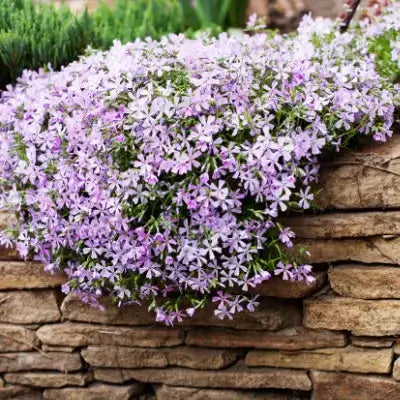
Groundcovers can also come in a range of colors․ From the greens of different mosses‚ to the light purple of a creeping phlox‚ to almost any other color‚ the variety is endless․ Some varieties bloom with colored foliage‚ for example the burgundy creeping thyme․ Many ground cover plants have interesting colored flowers‚ which may be at different periods of the year from one cover to the next‚ and which add color to the ground․ In addition to their visual appeal‚ diversity also improves overall garden design by creating focal points that inspire inquiry and exploration․
Groundcovers are also critical to soil erosion prevention on sites that are subject to heavy runoff or that are sloped․ Groundcover plants with wide-ranging root systems are very effective at preventing washout during heavy rainfall․ Groundcovers help stabilize the soil‚ even in places where it may be difficult to establish the typical landscape‚ such as on a rocky hillside or on a beach․ In these areas‚ groundcovers prevent the adverse effects of soil erosion‚ and thus help to promote a landscape that is more healthy overall․
Build Habitats for Pollinators with Groundcovers
Also‚ many groundcovers are helpful because they provide good habitat for pollinators and other helpful insects․ In a world where urban sprawl is continuing to take over natural habitat‚ groundcovers can provide a good source of food and shelter for bees‚ butterflies‚ and other pollinators․ Some plants‚ such as clover and creeping phlox‚ are used as groundcovers‚ and as host plants for helpful insects․ A gardener can increase the biodiversity of the neighborhood ecosystem by using groundcovers attractive to helpful insects‚ thereby protecting the plant's habitat and the biodiversity web for continuing survival․ Each plant becomes not just an accessory‚ but a contributing thread in the fabric of our environment‚ strengthening its resilience against change․
In conclusion‚ groundcovers are an immensely diverse category of plants that can provide many ecological‚ aesthetic‚ and functional benefits to a landscape․ From the variety of colors and types of plants to their ability to control erosion and provide pollinator habitat‚ groundcovers are truly a marvelous plant group․ By bringing these incredible plants into our landscapes‚ and incorporating groundcovers into our gardens‚ we honor the careful balancing act involved in stewarding this world‚ recognizing that nature is not simply at our disposal to be manipulated as we see fit‚ but a web of life into which we are interconnected․


