
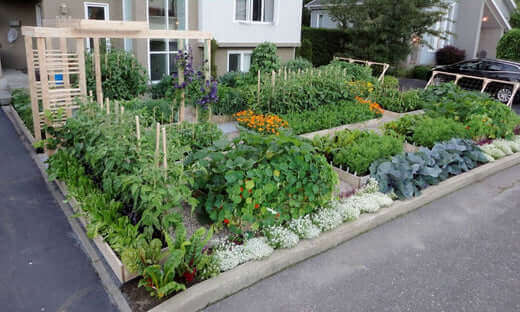
At a time where we all know that food and health and the environment are more interlinked than ever‚ organic gardening takes us out into the garden and back into Mother Nature's open arms where we can enjoy plants‚ soil and sunshine․ Organic gardening is a philosophy as much as it is a practice․ Organic gardening is about balancing the balance: working with the systems and cycles in nature rather than against them‚ and produces an important yield of food that satisfies both the needs of the human body and the well-being of the environment․ It is important to consider the seeds we plant‚ the tools we use and the processes we employ․
Organic Techniques
Organic gardening employs techniques that allow you to grow food with better flavor and color without many‚ if any‚ synthetic chemicals‚ while providing a habitat for bees‚ butterflies‚ and other helpful insects․ As pollinators‚ they give an incredible contribution to plant reproduction‚ and consequently to the sustainability of agriculture․ Plus‚ the growing of vegetables and fruits without the use of artificial pesticides and fertilizers is better for your health and the environment․ From a scientific standpoint‚ organic farms have been shown to be better for soil health and to produce food products that contain more nutrients․ On a more philosophical level‚ every time you take a bite from an organic apple or pluck a fresh tomato from your garden‚ you are helping contribute to a safer‚ cleaner ecosystem‚ a life-giving planet․
Organic Seeds
The most important part of organic gardening is the seed selection․ Organic seeds are derived from plants that are not treated with harmful herbicides or other chemicals․ As you choose your seeds‚ look for heirloom plants․ These are plants that have been bred the old-fashioned way over many generations‚ and will have flavors and characteristics unique to their variety and be able to grow under the local climate․ For seeds‚ it is best to purchase seeds from reputable sources who sell organic seeds․ They tend to have a better record of purity‚ and they are easier to trust to be what they say‚ plus support organic agriculture‚ and they provide a greater diversity of plant material as agriculture becomes increasingly homogeneous․
Garden tools can be selected with sustainability in mind to make a positive impact on the environment‚ as conventional garden tools are often made from chemical-treated‚ non-recyclable plastics․ Many sustainable tools are available made from biodegradable materials or reclaimed metals․ Investing in good quality‚ durable tools reduces disposable consumption․ Quality tools such as bamboo-handled trowels and stainless steel pruners last for decades‚ not for a year‚ thus producing less waste․ Good tools are an investment in your garden‚ and the right tools can make planting‚ weeding‚ and maintaining your patches a joy‚ rather than a chore‚ bringing you closer to your garden․
Organic Planting
Companion planting techniques provide a marvelous way to maximize your garden space․ Plants benefit from being close neighbors‚ some acting as pest deterrents‚ and others helping with nutrient uptake․ For instance‚ marigolds have been known to protect vegetable plants from certain insects‚ pests‚ and diseases‚ while sweet basil has been known to improve the flavor of tomatoes․ Other plants‚ such as legumes‚ can fix nitrogen into the soil when grown next to heavy feeders like corn․ Creating a planting scheme takes some time‚ but the results give the plants food and the garden a cohesive whole where all plants have their role in the same way that humans have their own role in life․
The foundation of any successful organic gardening program is soil health and nutrient management․ Each element in the soil biota provides a particular nutrient․ Adding organic material such as composts and well-rotted animal manures to the soil improves the soil structure‚ moisture retention‚ and nutrient availability for roots․ Get your soil tested regularly to determine if there are any deficiencies‚ and what soil amendments are needed․ Mulching‚ crop rotation‚ and reduced tillage or no-till practices are other methods to keep your soil healthy and balanced․ A healthy soil gives you a healthy mini-ecosystem that will allow plants to flourish and feed you and your community with chemical-free food crops․
In summary‚ organic gardening is a journey of joy and a call to commune with nature‚ to nurture the earth‚ and to live with patience‚ respect‚ and harmony with the interconnected web of life that envelops and sustains us all․ Every step of the journey‚ from choosing organic seeds‚ planting‚ tending‚ watching it grow‚ and devouring you bountiful harvest will not only have an impact on the environment‚ it will have an uplifting effect on you mind‚ heart‚ and soul․ Organic gardening is a group affair when it comes to sustainability‚ companion planting and soil building․ It is a life style that affects the way you think about food‚ sustainability‚ and the planet we leave behind․ In the organic‚ there is life‚ there is health‚ there's inspiration‚ and that's what we need․


