
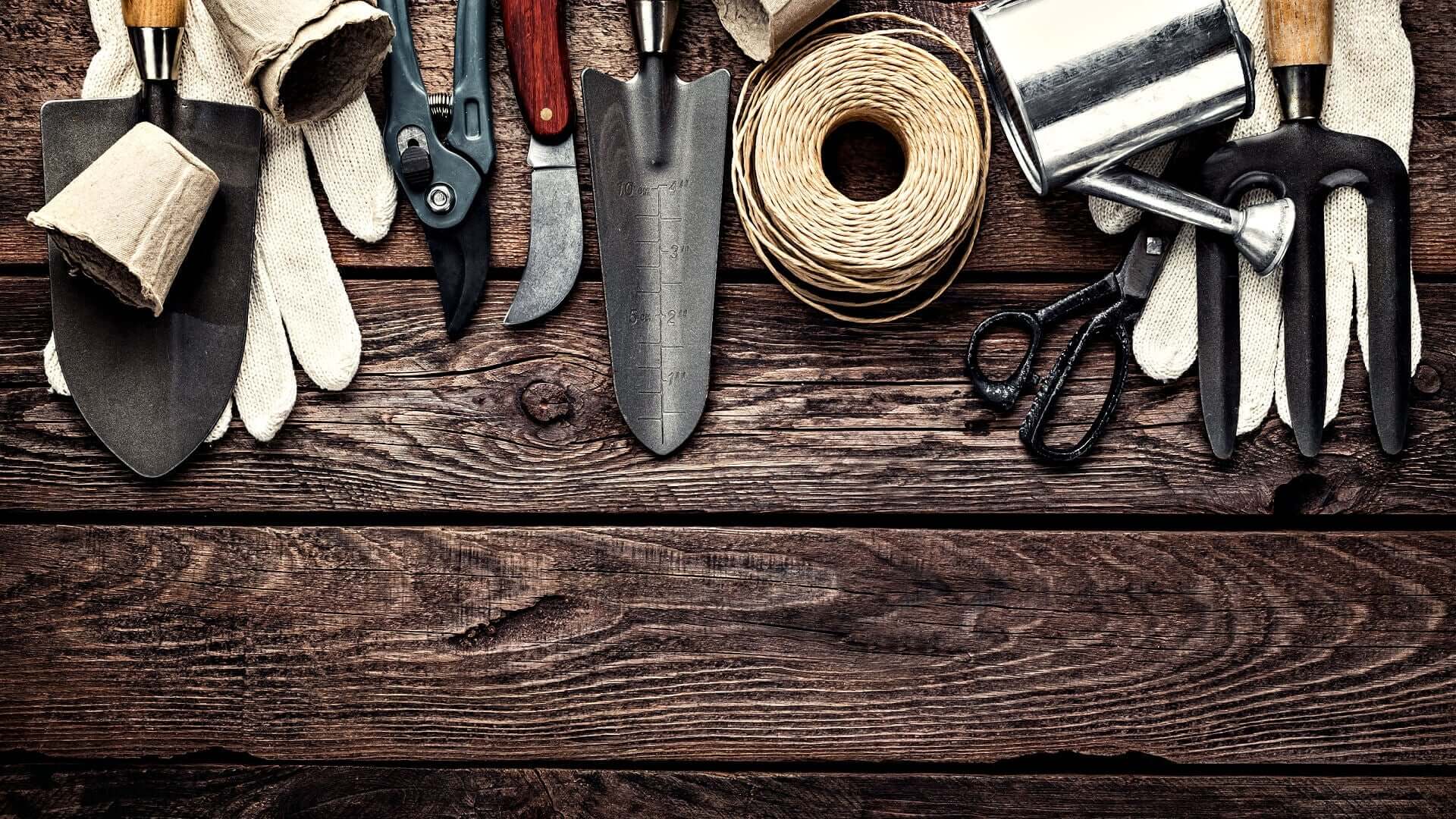
Essential Gardening Tools For Tennessee's Clay Soil And Humid Climate"
A garden located anywhere along the Mississippi from Memphis upstream to Knoxville is a different world than a sandy Florida garden or the gravel of the desert west of the Rockies․ Thanks to our super clayey soil and the combination of our hot humid summers and freeze thaw cycles in late winter‚ a few special tools pay off for us․ The majority of the state is actually located in zones 6b to 7b․
Tennessee Soil Changes Your Tool List
Much of Middle and East Tennessee is red clay‚ rock hard by August and sticky like glue after a spring rain․ While West Tennessee has greater concentrations of loam‚ soil compaction is a constant across the state․ A flimsy trowel that works fine for planting in loose‚ flower bed soil will bend or snap the first time you go to dig a planting hole in unamended Tennessee clay in July․
A broadfork or garden fork with forged steel tines (not stamped steel) is an absolute requirement‚ as stamped tines bend and flex under the effort required for clay soil․ High-quality frames are solid steel‚ where the tines and the handle are connected by a socket and rivet․ Cheaper forks tend to rely on a simple weld at the junction of the tines and the handle‚ which will fracture after a season or two of regular clay-breaking use․
Soil Testing Comes First‚ Not Last
Most guides list soil testing as among the last things one needs to do‚ but in Tennessee‚ this should be early․ Native clay may be acid (pH 5․5 to 6․5)․ This is good for azaleas and blueberries‚ but many vegetables‚ as well as most perennials (the majority of which prefer neutral pH)‚ will not thrive․
Skip the inexpensive probe kits sold at big box stores․ They're notoriously inaccurate․ Instead‚ send a sample to your local University of Tennessee Extension office (most counties charge less than $10 for testing) or invest in a midrange digital meter that measures pH‚ moisture‚ and light levels in your soil․ Test in early spring before planting and again in mid-fall if you're preparing beds for spring․ Calling the number before buying amendments saves you from guessing how much lime or sulfur to apply․
The Digging Tools That Earn Their Place
A hand trowel with a narrow‚ stiffened blade‚ far superior to the wide plastic scoop-style trowels sold as easy digging in hard-packed clay‚ is a necessity․ Stainless steel stands up to the Tennessee humidity better than the carbon steel trowel blades gardeners leave in the rain when they go off for the weekend․
If you need to make square cuts (like cutting into clean clay beds) or slice through root-bound sod‚ you will need a square-point spade (not a round-point shovel)‚ which has a flat edge that makes a cleaner cut as opposed to a tear‚ for anything larger than a small perennial․
This is especially important in Tennessee's humid climate‚ where the growing season is long and things can get out of hand quickly․ Bypass-type pruning shears cut live wood cleanly‚ leaving fewer ragged cuts on woody ornamentals‚ which in our humid summers are an open invitation to fungal disease․ For flowering shrub or fruit tree pruning‚ a bypass pair rated for 3/4 inch branches is sufficient‚ anything thicker requires a curved serrated pruning saw․
Watering Tools Depend on Your Season‚ Not Just Your Garden Size
While Almanac and GardenDesign talk about watering cans versus hoses‚ neither mentions Tennessee's rain pattern․ The state sees heavy rainfall in spring before a dry spell generally sets in from mid-July through September in the average year․ If a soaker hose is run along the rows before the dry weather sets in‚ it saves time compared with hand-watering in August․ Watering cans with narrow spouts are better for delivering a precise amount of water than a hose in raised beds or containers․ Over-watering is a bigger problem in our clay soil because water does not drain away as easily as it should․
Garden Carts Handle Clay Better Than Wheelbarrows
The one-wheeled wheelbarrow is much easier to tip over on uneven‚ rain-sodden clay soil․ A four-wheeled cart‚ with a low center of mass‚ is much more stable for hauling wet mulch or bags of compost around a yard that's part slope and part mud after a rainstorm․ If you're getting bare-root shrubs or perennials (which TN nursery ships a lot of during the fall shipping season)‚ a cart might be helpful to move multiple plants from your driveway to their planting holes‚ without damaging sensitive roots in the process․
Tools to Fight Rust in a Moist Climate
This is one of the areas where most national gardening books fail us and costs Tennessee gardeners money every year‚ as our summer humidity is rarely less than 70 percent and night dew rusts anything left outside overnight (even below a covered porch) in two days flat․ Wipe down blades with a thin film of boiled linseed oil or a commercial tool oil after each use․ Store metal-handled tools in the garage or shed‚ not an open-air lean-to․ A $10 habit of oiling tools prolongs the life of a $40 pruner for several years․
Kneeling Gear Isn't Optional in Clay Beds
Kneeling directly on the clay can be ruinous for kneepads and blue jeans․ An average Tennessee rain lasts all day and can leave permanent orange-red stains․ A kneeling pad or a kneeler-seat combination with a raised frame is a good idea‚ and these are useful for the knees even when the clay is baked to a hard-as-concrete surface․
Timing Your Tool Purchases Around Our Planting Windows
In Tennessee‚ fall planting season (roughly October to the end of November) is better than spring for most perennials‚ shrubs and trees‚ because roots are able to become established before summer heat and drought set in․ That window is for bare-root planting‚ so planters should have a trowel‚ a garden fork and a cart․


