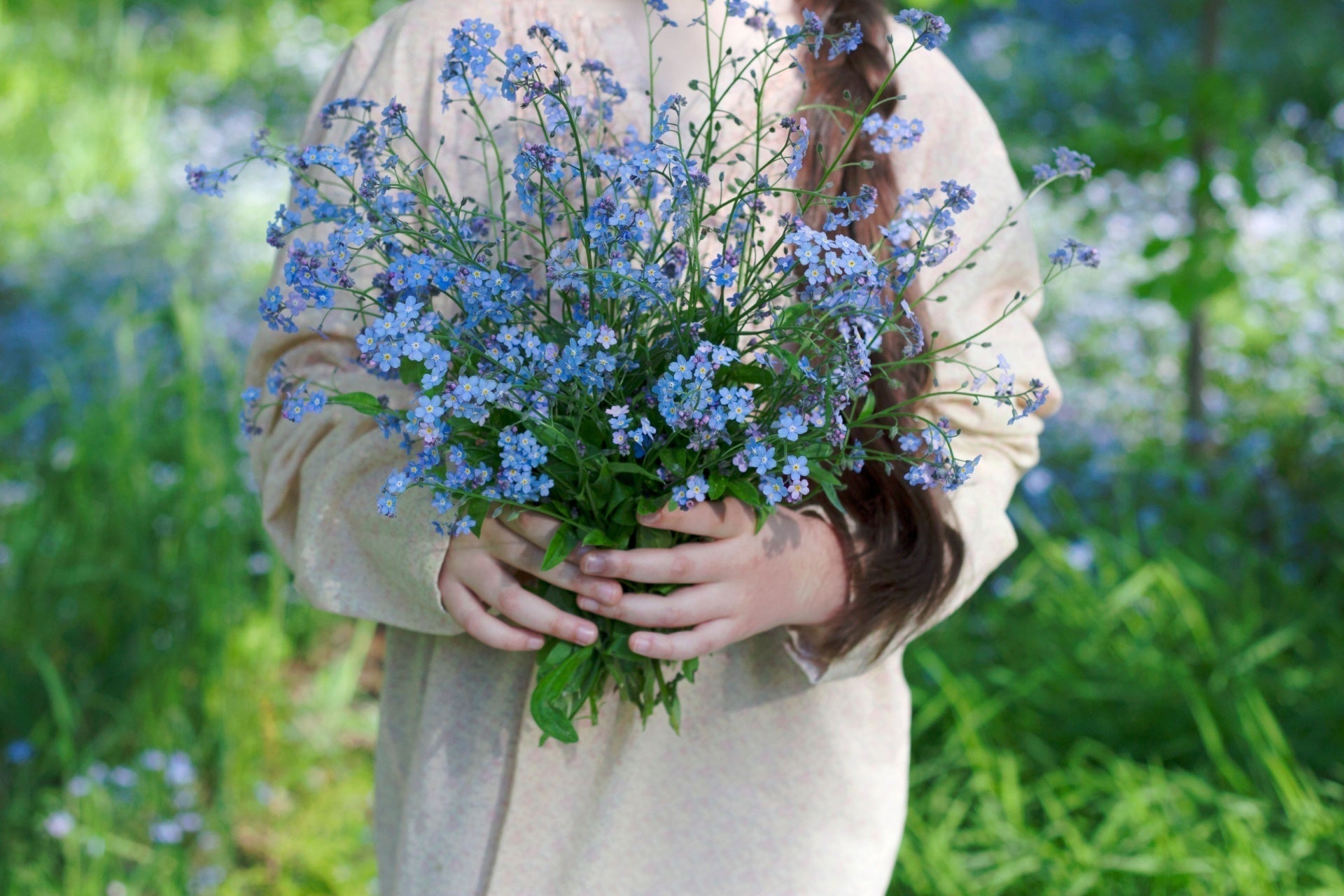
Forget-me-nots are very pretty flowers that are very small. They have a soft blue color, a soft look, and a springy feel that lasts a long time. Even in shady spots, the Forget-Me-Nots' bright blue petals jump out. Their simple shape gives any garden a calm, natural look. The forget-me-not flower is also grown by many because it symbolizes love, memory, and a link.
There are blue, pink, and white flower types here. In the wild, they usually grow near streams, the edges of woods and other cool, damp places. Because they grow slowly, they are a good choice for parks that want to look like a forest.
The History and Meaning Behind Forget-Me-Nots
People have loved forget-me-nots for a very long time. Many old stories say they became reminders of loved ones who had died because people gave them to them before they went on long trips. As time went on, they became a sign of friendship and trust. Many people plant them today to remember loved ones, mark important events, or simply enjoy their beauty.
In old Europe, forget-me-nots were often used in art and poetry. People saw their small size as a warning that little things can mean a lot. The deep blue color of the flower also symbolized honesty and peace.
They're great for gardeners because they're easy to grow and come back every year in many areas. They spread slowly and don't take over, which makes them great for adding soft splashes of color to flowers in early spring. The forget me not plant is both beautiful and meaningful.
This is because forget-me-nots do best in cool, wet soil. They also get along well with other plants that like shade. They look good with local plants, ferns, and spring bulbs. A lot of people use them in memory gardens or peaceful, quiet spots in their yards. They have been used for a long time, have deep meanings, and are easy to take care of, so they can fit many styles and needs.
These flowers have been a part of natural settings for hundreds of years. They grew in damp woods and along rivers. This is why a lot of people still love forget me not care tips: they help them keep this historic and important flower healthy in their own yard.
How to Successfully Cultivate Forget-Me-Nots as Garden Plants
Here are some easy ways to make your forget-me-nots grow well. Each point makes caring for a plant clear and easy.
- Forget-Me-Nots do best in a spot with some shade and wet soil. They like places that are cool instead of dry and hot.
- It's important to water the forget-me-not flower a lot during dry weeks and when it's first open. Don't let the dirt dry out too much.
- Before you plant, add compost to the dirt to make it soft and rich, which helps the roots grow.
- Plant seeds in the fall or early spring. Do not cover them too much- press them lightly into the ground.
- Remove old flowers to help new ones last longer throughout the season.
- If you want the plants to come back on their own next year, let some flowers drop seeds.
- Leave space between plants so that they can breathe and don't get mildew.
- They add color early in the season and are easy to layer in the yard when mixed with spring plants.
- Move young plants slowly if they get too spread out. Forget-me-nots grow well in new places.
- In wet places, look for slugs and snails. You can pick them off by hand because they sometimes hide under leaves.
Designing with Forget-Me-Nots and Native Flowers for a Natural Look
Don't forget me-Nots look great with local plants, which gives gardens a soft, natural look. Their soft blue color looks great next to plants that bloom early in the season. Many gardeners mix blue forget me not plantsother soft-toned blooms when designing beds or borders to create a peaceful woods atmosphere.
One great way is to put them with plants or flowers that do well in shade. This creates a stacked effect with minimal effort. planting forget me nots , around ponds, and in shady areas adds bright color without requiring a lot of sun.
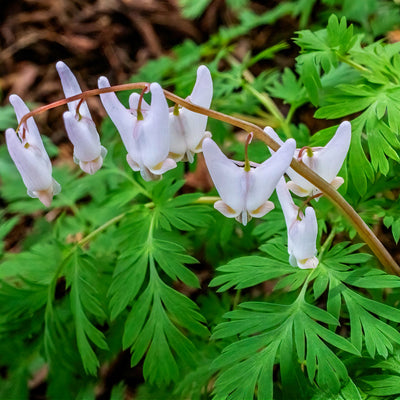
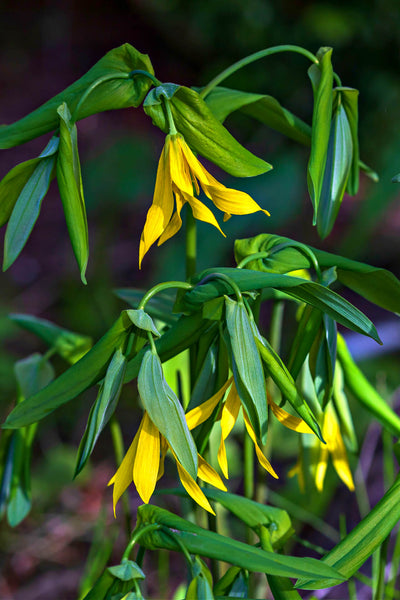
Native plants like Dutchman's Breeches, Bellflower, and Blue Flag Iris also look good with forget-me-nots. These options bring life to nature areas and help the animals there. Spread them out in small groups across the bed instead of one big patch when you mix them with other flowers. This makes the area look less like a yard and more like a wild setting.
For farmers who like the look of a soft field, combining forget-me-nots with grasses and native plants that grow in light colors keeps the space open and airy. They also do well near water, where the ground stays cool. With a little extra care, plants can have color from spring to early summer.
Planting forget me nots with natives keeps upkeep low while still creating a full, lush appearance because they are simple to grow. Because they are so simple, they are great for people who are just starting to plant or who want a calm, easy place outside.
FAQs
How to plant forget me not seeds?
A light press into the wet dirt will plant the seeds. Don't bury them too deeply; they need light to grow.
When to plant forget me nots?
When it's cool outside, plant them in early spring or fall.
Do forget-me-not come back every year?
Yes, a lot of them self-seed, which means they come back every year.
Where is the best place to plant forget-me-not?
Pick a spot that gets some shade and has dirt that stays wet.
Can forget-me-nots be grown in containers?
Yes, they can grow in pots as long as the dirt stays just a little wet.