
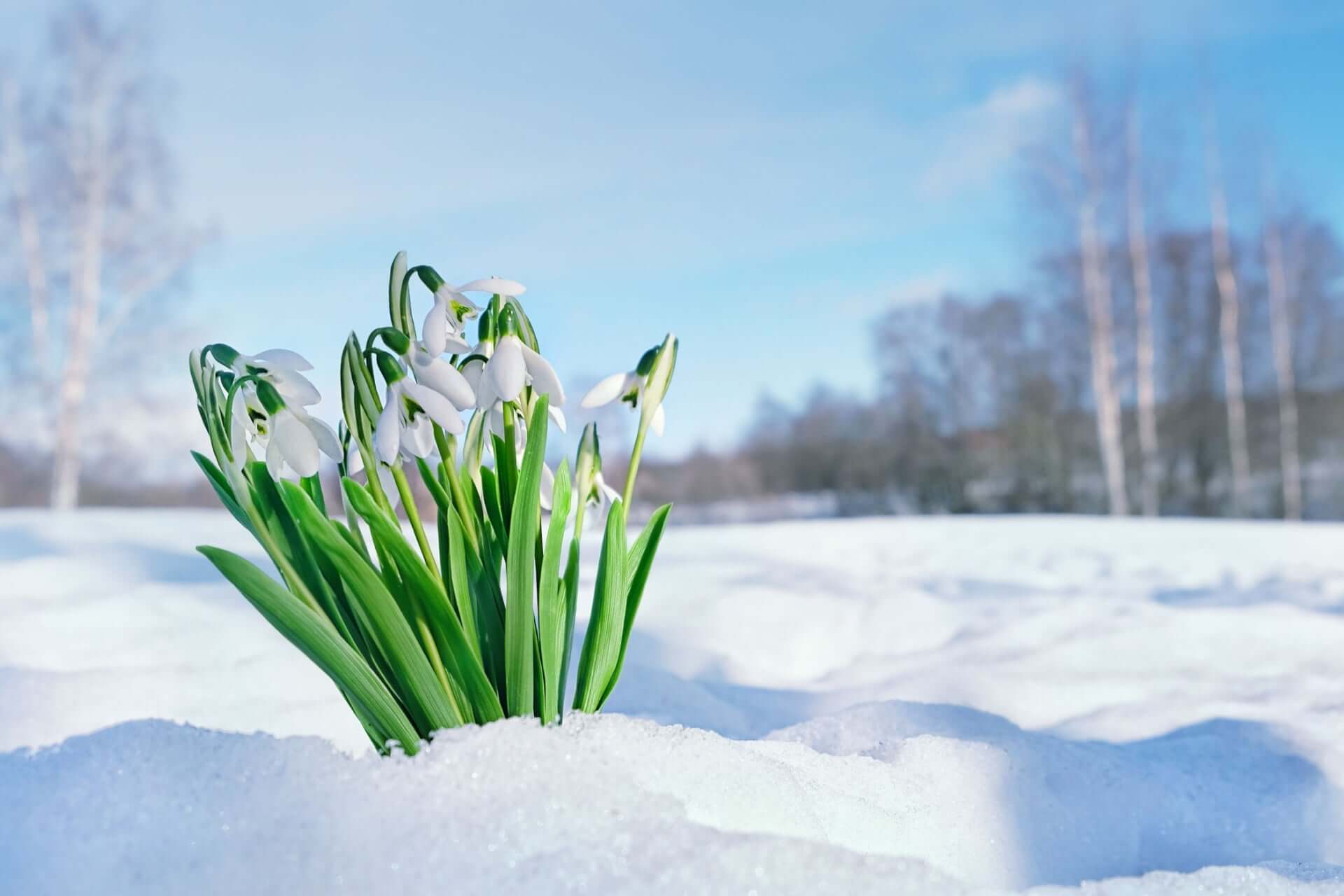
In late winter, things can seem gray, but some winter Flowers can change the mood with their early colors and delicate blooms. People adore these late winter blooms because they make the season linger longer, encourage pollinators that come early, and get the garden ready for spring.
This guide talks about why they bloom, the best types to grow, how to care for them and how to design with them.
Why Some Flowers Bloom in Late Winter
A lot of flowers that bloom in late winter do so because there aren't as many other plants that need light and pollinators. They store energy in their roots and come out early to set buds before other plants leaf out. They use their reserves and good microclimates to do this. These alterations make them reliable in soils that are cool.
Early bloomers are also good for wildlife as late winter blooming flowers bloom and provide nectar and pollen when few other sources are available. This is important for young bees and flies. Good soil practices that promote microbial and soil organism diversity also help these plants grow strong roots.
Steps you can take:
- In the fall, plant bulbs and rhizomes so that the roots can grow.
- To make the soil better and give it more nutrients, add compost and organic matter.
Ecological Benefits of Late Winter Flowers
Winter flowers play an important role in the environment. These plants fill a seasonal resource gap by blooming early, which helps keep pollinator populations stable. They also make the soil better by adding leaf and root matter that feeds microbes and helps nutrients move around.
Some of the benefits are:
- Providing early nectar for pollinators
- Adding organic matter to the soil food web
- Keeping early-season microclimates stable for seedlings
Tip:
- Use light leaf litter as mulch to keep roots safe and slowly add organic matter to the soil
Top Flowers That Bloom Best in Late Winter
Gardeners can find reliable late winter flowers for both wild and formal settings. Witch Hazel, Hepatica, Crocus, Snowdrops, Blood Root and Winter Aconite are some of the best options.
Plants that are in the spotlight:
- Witch Hazel has fragrant flowers and is interesting in the winter
-
Blood Root opens crisp white flowers early to feed pollinators
- Hepatica and crocus make low carpets of color under trees
These late winter blooming flowers and are tough. They often grow on their own, so they are great for displays that don't need a lot of care.
Things you can do:
- For a more interesting look, group bulbs in clusters of odd numbers
- To protect the roots, plant them in soil mixes that are shallow and drain well
Growing Conditions for Winter Blooming Flowers
Winter blooming plants need protection from extremes and soils that drain well and stay moist. Many people like to be in the shade of deciduous trees, where they can get light in the morning and protection later.
Important conditions:
- Soil that is moist but well-drained to keep roots from rotting
- Soil that has a lot of organic matter to hold moisture and support a variety of microbes
- Shelter from drying winds to protect buds and early flowers
Steps you can take:
- Add grit or sand to heavy soils to help with drainage
- Add compost to help soil organisms and roots stay healthy
Care Tips to Keep Late-Winter Flowers Healthy
Taking care of a plant that blooms in winter is easy once you find the right place for it. Don't give your plants too much nitrogen, as this can delay flowering. Instead, focus on the health of the soil and how much light it gets.
List of things to do for care:
- Water during dry spells, but stay away from wet conditions
- Lightly mulch to keep the soil temperature stable and add organic matter over time
- Let the leaves die back naturally to feed next year's growth
Steps you can take:
- Check the drainage every season and change the soil as needed
- In the fall, add a thin layer of compost to help microbes grow
Best Landscaping Ideas Using Late-Winter Flowers
Use winter flowers to add depth to gardens in the early season. Put low-blooming plants along paths, mid-height shrubs for structure and bulbs to make waves of color that move into spring.
Design ideas:
- Plant Witch Hazel as a structural backdrop with early bulbs in front. For a soft white carpet, plant Blood Root in shaded woodland edges
- Combine different textures and heights to add depth and keep things interesting all year round
Steps you can take:
- Plant in groups of 5 to 9 to make them look stronger
- Use evergreen groundcovers with early bloomers to keep the structure in the winter
Conclusion
Choosing winter Flowers and late winter flowers gives you color early in the season, helps the environment and is reliable. Witch Hazel and Blood Root are two plants that are great for making the winter-to-spring transition more colorful and the soil healthier.
FAQs
What flowers bloom late in winter?
Witch Hazel, Hepatica, Snowdrops, Crocus and Blood Root are all great late winter flowers that people often choose.
Are winter-blooming flowers hard to maintain?
No when planted in well-drained soil with some compost, most winter flowers don't need much care.
How do I protect winter-blooming plants from frost?
Put them in sheltered spots and cover them with light mulch to protect them from wind and sudden freezes.
What are the best cold-weather flowers for beginners?
Witch Hazel and Blood Root are good late winter blooming flowers to start with because they are easy to care for.
Which perennials pair well with late-winter blooms?
Blood Root
These plants go well with ferns, early bulbs and groundcovers that can grow in the shade.
Which flower blooms all year round?
freezes
Not many bloom all year. These flowers bloom in the winter and help pollinators when food is hard to find.
Design Ideas


