
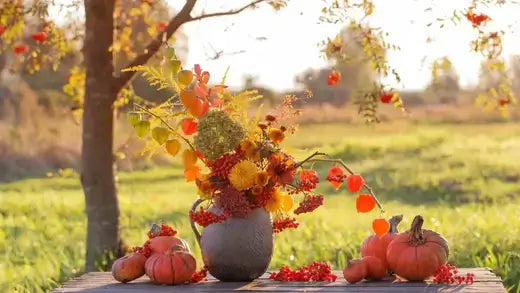
The Flower That Symbolizes Autumn: Chrysanthemums‚ Marigolds‚ and the Flowers That Define the Season
Chrysanthemums are the autumn flower‚ and have been cultivated and appreciated worldwide for centuries‚ with connotations of longevity‚ happiness‚ and the autumn season․ But if you garden in Tennessee‚ or anywhere in the Southeastern United States‚ there's a few others in the running for who should get the fall flower crown: marigolds‚ asters‚ and sedum․ Each one tells a slightly different story about fall and each one thrives in our specific climate window in ways you might want to know about before you plant․
Let's start with the mum‚ which is probably the flower that most people think of as autumn․
Chrysanthemums are the official flower of fall․
Chrysanthemums have been cultivated in China for over 2500 years and used as an herb; it is the national flower of Japan․ The throne of emperor is called the Chrysanthemum Throne․ The name is derived from the Greek words "chrysos" and "anthemon"‚ meaning "gold" and "flower"‚ respectively‚ referring to the gold-centered flower heads of the earliest cultivars of chrysanthemum․
In the language of flowers the mum symbolizes fidelity‚ optimism and the rest that follows a long struggle‚ because the flower is at the height of its bloom when the season is about to end․
Growing mums in TN: We sit mostly in USDA zones 6b through 7b‚ and mums do well here․ Autumn-blooming garden-hardy varieties (those on the market as Belgian mums and hardy to as low as USDA zone 5) can survive our winters if planted no later than early September so their roots have six to eight weeks to become established before the first hard frost․ Plant later than that‚ and you have to treat them as a seasonal annual‚ which is exactly how most nurseries‚ including our own‚ sell them․
Mums require six hours of sunlight each day and well-drained planting soil‚ but most soil in Middle Tennessee is compacted clay that retains water․ If grown in the garden‚ the gardener can improve drainage somewhat by loosening the soil with compost or they can plant them in individual pots for better drainage․ To create bushier plants and more flowers in September and October‚ it is a common practice to pinch back the young shoots until July although eventually flowering will decrease and the plants become leggy․
Marigold: Fire in the Garden
If fall is the time of the chrysanthemum‚ it is also the time of the marigold‚ and their oranges‚ reds and golds are colors of fall foliage‚ making marigolds another fall flower․
Cultural associations of various marigolds include its use in Mexico‚ where it is the flower of the Mexican Día de los Muertos (Day of the Dead) celebration‚ because its scent and color are thought to guide the dead back to their living relatives․ Each November‚ millions of petals are used to construct ofrendas (altars) for the memory of the dead․
Marigolds are the best-known companions; their roots secrete a material toxic to nematodes and the strongly aromatic foliage repels aphids and many beetles․ The marigold has long been associated with planting tomatoes or peppers nearby‚ although not for tradition's sake but as an actual pest deterrent․
Growing marigolds here: The marigold is frost sensitive and an annual‚ and will not remain around for a Tennessee winter‚ but if the spent blooms are deadheaded the plant will bloom all summer and into the first frost․ Marigolds are easy to grow‚ and will flower even in poor soil․ They flower best in soil with low nitrogen; in nitrogen-rich soil marigolds produce more leaves․ Marigolds thrive in full sun․ If planted in partial shade‚ marigolds become spindly and produce fewer flowers․
Asters and Sedum: The Supporting Cast
So besides everyone's favorite mums and marigolds‚ these two plants deserve a place in your real fall garden․
So there are the asters‚ purple and pink and blue․ And they've long been the plant symbol for patience and daintiness surviving through hardship․ And they're a native‚ the New England asters‚ in most cases able to make a go on the very grounds we Tammiensians have almost given up for no good reason‚ with hardly any fuss․ They are also perennials‚ growing back each year in zones 4 through 8‚ and provide bloom when many other plants are going dormant‚ providing nectar for late season insects like monarchs․
The Sedum‚ and especially the cultivar 'Autumn Joy'‚ goes from a pale green during the summer to a rust pink in September to the bronze color that makes up the majority of the winter․ It requires little water‚ is resistant to deer‚ and grows in soil that would kill most other flowering plants․ In fact‚ it may be as low-maintenance as perennials get․
What is an "autumn flower"?
In a metaphorical sense‚ there are many a article on the subject that wonders what a flower sees at a fall․ Here‚ however‚ we may have to ask what makes a flower suited for fall․ It goes two ways․
First‚ bloom timing: true autumn flowers are short-day plants‚ meaning they begin flowering after being exposed to a certain amount of time with a short-length day․ This is why mum and aster flowers don't bloom until September and October․ Second is the flower's cold tolerance‚ as the flower is a symbol of autumn and has to tolerate a light frost from mid-October to early November depending on elevation across most of Tennessee's geographic area․ Mums‚ asters and sedum will stand a few frosts without losing all their bloom; marigolds would not․ This is a key factor if you want a garden that will stay pretty right up through Thanksgiving․
Bringing It Together in Your Own Garden
Consider these classic autumn colors instead: mums' yellows and burgundies define asters' deep purples and both contrast nicely against sedum's rusty hues․ This combination of three colors‚ textures and shapes can make marigolds appear best in low borders and container plantings near houses where the different colors contrast with the green of foliage․
For gardeners in the Southeast‚ TN Nursery grows and ships hardy mums‚ native asters‚ and companion perennials that are suitable in this region․ For example‚ to have a fall color palette that will survive the Tennessee winter to come back bigger and better the following year‚ try to buy plants from local sources that were grown in similar growing conditions․
"With the right flowers‚ autumn can be one of the most colorful times of the year in the garden‚ but it requires a little more know-how as far as which flowers actually like to grow in the fall․"


