
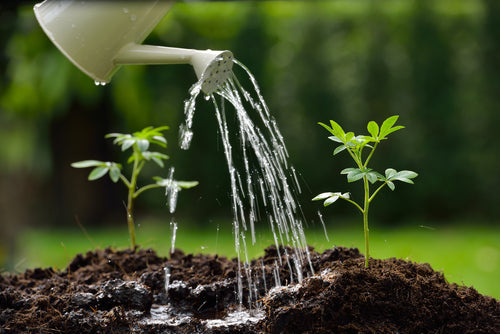
Growers and gardeners are increasingly demanding fast-growing plants that offer instant satisfaction and can thrive in a variety of growing environments. Creating new garden beds, filling landscape gaps, adding seasonal color to existing plantings, and selecting aggressively growing plants are sure ways to achieve success. Fast-growing garden plants are the best solution for turning the bare space into well-established gardens in just one growing season.
TN Nursery focuses on the plants chosen according to their healthy root growth, quick establishment, and consistent performance in diverse soils and weather conditions, and your investment in gardening will be a success in the beginning.
What Are Fast-Growing Plants?
Fast-growing plants are species that grow rapidly after planting, and they become visible within a period of one to two growing periods. They are characterized by plants with active root systems that grow fast into the surrounding soils and tap nutrients and water most effectively, as well as with strong growth above ground.
The main features that determine fast-growing species are
- Widespread development of roots and uptake of nutrients and stability of plants.
- These species are able to adapt to new soil conditions and climatic conditions with ease.
- True burst of energy, which gives noticeable growth in a few weeks of planting.
- Elasticity of moisture and soil structure without massive modifications.
Garden plants that grow fast have a high photosynthetic rate and a high rate of cell division, enabling them to outcompete slower-growing substitutes. TN Nursery is developed in the best nursery environment, which makes sure that these plants come with well-developed root systems that can grow immediately after transplant.
Benefits of Using Fast-Growing Plants in Landscapes
Adding fast-growing garden plants to your landscape design brings with it a variety of benefits that can beautify your landscape and also improve the health of your garden in the long term.
Quick Visual Impact
These plants quickly occupy open areas, enabling the creation of complete landscapes in months rather than years. Their hardy growth causes the novelty of planting to be swept away, and the same offers retribution in the present instance, producing instant gratification and cutting down the time of bare soil, during which the weeds may otherwise take root.
Cost-Effective Landscaping
Fast-growing plants for home enable one to buy smaller and less expensive specimens that can grow to display size within a shorter period. This will save start-up costs and yet attain the same mature outlook as that of acquiring bigger and more expensive plants that develop slowly.
Natural Weed Suppression
Quick growth of canopies covers the soil surfaces and inhibits the germination of weed seeds and minimizes the need to maintain the land. Garden plants that grow fast produce a dense layer of foliage, which forms natural layers of mulch due to the fall of leaves, sustaining the healthy organisms in the soil and holding onto the soil moisture levels.
Erosion Control
Rapid formation of roots stabilizes the soil on the slopes and disturbed grounds, which allows the soil to avoid erosion in case of heavy rains. The large root systems enhance soil architecture as well as maintain microbial diversity in the long-term survival of plants and cycling of nutrients.
Wildlife Support
Fast-growing plants in shade or sunlight provide immediate habitats and food to the pollinators, advantageous insects, and songbirds. Native plant selections are especially adapted to local conditions, and they promote the health of local ecosystems through their rapid development and natural growth cycles.
How Do Fast-Growing Plants Establish Quickly?
The knowledge of the biological processes of rapid growth aids the gardeners in offering the best conditions for fast-growing plants so that they can grow well upon planting.
Root System Development
TN Nursery's nursery-grown plants have well-developed root systems, and their root health is high at the time of shipping. Such developed roots start to forage new soil in a few days after transplantation and reach water and nutrients, which support above-ground growth without the stress period typical of bare-root or poorly rooted plants.
Soil Adaptation Strategies
The establishment needs to be done with a matching of the plants to the site conditions and proper preparation of the soil:
- Planting 2-3 inches of organic materials can enhance soil structure and amend planting areas.
- Have adequate drainage so that roots are not rotten but at all times maintain moisture.
- Feed the beneficial soil organisms with organic matter additions.
- Measure the pH of the test soil and correct it where necessary for favorable levels of nutrients.
Environmental Factors
Fast-growing garden plants react well to proper access to sunlight and a constant water supply during planting and the harsh weather. Plant positioning is based on their photoperiod needs, supplemental irrigation during dry seasons, and 2-3 inches of mulch to moderate soil temperature and prevent water loss.
The USDA Natural Resources Conservation Service explains that the correct planting procedure and the choice of the species used in the site guarantee the highest establishment success and the plants' continued performance in the long term.
Popular Fast-Growing Plants for Home Gardens
The selection of fast-growing plants for home landscapes involves choosing species that are well-suited to your growing environment and that also provide the desired aesthetic appeal.
Shade-Tolerant Options
Fast-growing plants in shade are best in woodland gardens and shaded areas with low sunlight. These species develop with natural adaptation to low-light conditions as well as high growth rates.
Shade-loving perennials grow fast in the semi-shade or complete shade, propagating by rhizomes or self-propagation to form solid colonies. Native spring plants, such as woodland wildflowers, are early, out-of-control bloomers that naturalize well without demanding large amounts of soil amendments. The shade-tolerant products available at TN Nursery include Dutchman’s Breeches and Dwarf Crested Iris that grow without heavy soil additions.
Sun-Loving Varieties
Garden plants that grow swiftly, tolerate heat, and have variable moisture are beneficial to full sun exposures, which offer year-round seasonal interest. Home gardens also utilize fast-growing plants, with the most popular ones being Sun-Loving Varieties such as Hairy Buttercup, Ranunculus Repens, and Ironweed Plant.
There is a wide variety of low-growing groundcovers that spread horizontally with creeping stems, as well as taller plants that can grow several feet in the first season. Plants thrive well in an open landscape setting, where they can grow quickly and provide food to insects and butterflies, as well as other wildlife, because of their nectar-rich flowers and thick foliage.
Fast-growing plants are available at TN Nursery.
TN Nursery also provides some of the selected, fast-growing plants that are cultivated in the best nursery environments to guarantee excellent root health and quick growth in backyards.
Shade-Tolerant Options
Fast-growing plants in shade thrive well in the woodland gardens, facing the north direction, and at the under-tree canopies where there is limited sunlight. These species naturally adjust to the low-light environments and still grow at a high rate.
- Dwarf Crested Iris: It propagates fast in part and full shade and propagates by rhizomes to form dense colonies. It flowers in rapid succession during the first season with its flimsy blue-purple spring flowers, and it naturalizes in woodland where little care is given.
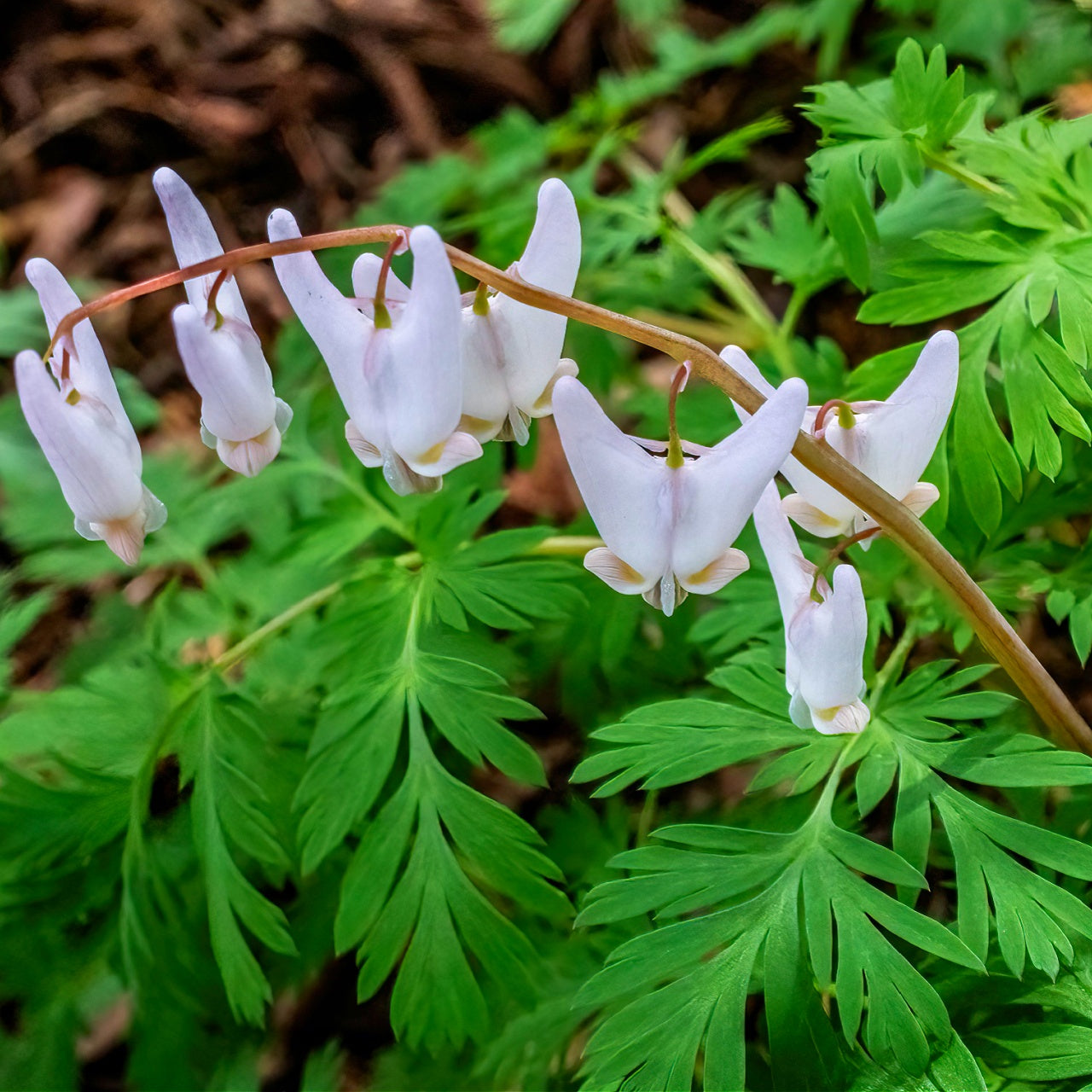
- Dutchman’s Breeches: Dutchman’s Breeches is successful in shaded regions with rich and organic soil. This indigenous spring ephemeral is early and prolific and reproduces by self-seeding and tuber division. Its distinct flowers attract early pollinators during the season, and the foliage also gracefully wilts during the summer.
Sun-Loving Varieties
There are heat-tolerant and moisture-changing garden plants that grow fast, which help to stay under full sun exposures and allow year-long seasonal interest.
- Hairy Buttercup: Hairy Buttercup is a spring and early summer flower that blooms in yellow. It is a low-growing perennial that grows in moist to average soil conditions, forming a bright ground cover that fills gaps and sustains beneficial insects.
- Ranunculus Repens: Ranunculus Repens propagates by creeping stems that create thick carpets of smooth leaf cover that are surmounted by golden yellow flowers. Its strong development predisposes it to the zones requiring rapid coverage; however, it should be planted in the location where the extension can be tracked.
- Ironweed Plant: The Ironweed Plant grows to 4–6 feet tall in the first complete season and gives gorgeous purple bunches of flowers that are beautiful to butterflies and pollinators. This indigenous perennial is well-suited to various soil types and provides a dramatic vertical appeal while requiring minimal maintenance.
Conclusion
Fast-growing plants are selected, and empty garden areas are converted into mature and well-developed landscapes in one growing season. These aggressive species offer instant aesthetic effect, enhance local ecosystems, and lower long-term care due to their natural flexibility and quick settlement.
The selections in TN Nursery are well nurtured, and thus you are guaranteed to have healthy selections that have robust root systems that can start growing immediately once planted. Set to fill in shaded woodland spaces with Dwarf Crested Iris and Dutchman's Breeches or add to sunny borders with Hairy Buttercup, Ranunculus Repens, and Ironweed Plant, these sure bets would provide excellent performance and long-lasting garden success.
FAQs
What are the fastest-growing plants for home gardens?
Ironweed, Ranunculus Repens and Hairy Buttercup grow quickly, attaining display size after a single season and growing with tremendous vigor and little attention.
Are fast-growing plants easy to maintain?
Yes, most of the fast-growing plants will need less maintenance after establishment, can withstand the fluctuations in the environment, and only require frequent watering and a little fertilizer.
Do fast-growing native plants perform better in the long term?
Native fast-growing vegetation is better adapted, needs fewer inputs, and helps boost local ecology as well as develop deeper root systems to survive droughts.
Which fast-growing plants are best for landscaping?
Dwarf Crested Iris to shade, Ironweed to vertical interest, and Ranunculus Repens to groundcover have a quick establishment and decorative value.
How soon do fast-growing plants establish themselves after planting?
With proper care, most fast-growing plants will visually grow within 2–3 weeks and be big enough to become operational within a single growing season.
Where can I buy fast-growing plants online?
TN Nursery is a nursery-grown, fast-growing plant that has a strong root system and is shipped to be planted in your home garden, requiring healthy growth.
Propagating Ironweed


