
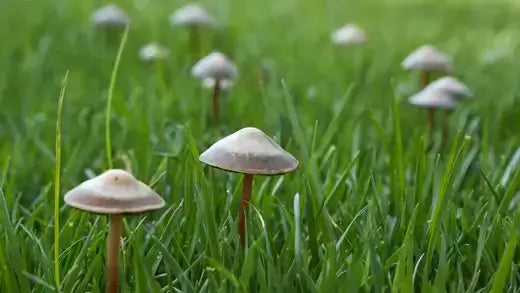
How to Get Rid of Mushrooms in Your Garden for Good
If mushrooms are sprouting in a garden bed‚ there is usually decaying organic matter below the bed that is food for the mushrooms․ The best short term solution is to manually remove each mushroom cap while also addressing the problem of too much moisture or the presence of buried wood․ That will usually take care of most mushroom problems in 2 to 4 weeks․ Spraying an anti-fungal agent on the mushrooms is rarely effective‚ as the mushroom is just the above ground reproductive structure‚ and the fungus (mycelium) actually lives a few inches below the surface in old roots and stumps․
If you garden anywhere in Tennessee you understand why․ Middle and East Tennessee get 48-55 inches of rain a year‚ humidity in the summer often exceeds 70 percent‚ and most of us are gardening on clay soils that don't drain fast․ That's pretty much ideal fungal habitat․ Not a bad sign at all‚ most of the time․ It just means that there's still buried wood‚ old mulch‚ or tree root decomposing somewhere in that bed․
Why Mushrooms Actually Show Up
Before you go to war with them‚ it helps to know what you're dealing with: mushrooms are the part of the fungus that produces spores‚ and they feed on organic matter like dead roots‚ buried construction rubbish‚ old mulch and decaying stumps․ In general‚ they're not going to hurt your living plants․ They're just recycling nutrients back into the soil‚ which is genuinely useful work․
The problems start when:
- They're competing for water and space with shallow-rooted annuals or newly planted transplants․ - You've got kids or pets who might put one in their mouth․ - The look bothers you (totally fair‚ nobody wants a bed full of toadstools by the mailbox) - A type of fungus‚ such as Armillaria (the honey fungus)‚ can actually attack living roots
However‚ honey fungus does produce clusters of tan to brown mushrooms at the base of trees and shrubs‚ and can indeed kill woody plants in a few seasons․ If you see them repeatedly at the base of a single shrub or tree‚ and it looks like it's dying‚ you need to contact your county extension office․
Remove Them by Hand․ Correctly․
For most common lawn and garden mushrooms‚ hand-pulling is the quickest visible fix․
What you need: gloves‚ trowel‚ and a bucket or bag‚ not your compost pile․
How to do it: 1․ Pull or dig out the mushroom including an inch or two of soil around the mushroom; this includes some of the mycelium‚ not just the cap․ 2․ Do this before the cap fully opens and drops spores․ When the gills turn dark and papery below the cap‚ they have already expelled spores into the soil․ 3․ bag them and throw them in the trash‚ not the compost bin․ A home compost pile is unlikely to get hot enough to kill the spores‚ so composting them would put them back in your beds․
In reality‚ hand-pulling dictates what you see today‚ so long as the food source and moisture are there‚ mushrooms can return in days․ It's just maintenance‚ not a cure until you deal with the root cause․
Cut Back on Moisture
Humidity in Tennessee is favorable for fungal growth‚ so watering is generally not required as often as it would be in a drier environment․
- Water early morning instead of evening‚ so the soil surface has all day to dry before nightfall․ - Replace overhead sprinklers with drip irrigation or soaker hoses whenever possible․ Wet foliage and surface soil are an invitation for fungi to move in․ - If‚ after a heavy rain (which‚ in the spring‚ is often several times a week in this part of the country)‚ there is still water standing in your beds more than 1 hour after the rain stops‚ you have a drainage problem‚ not a watering problem․
Fix the Drainage‚ Not Just the Symptom
One reason mushrooms become a perennial gardening headache for so many Tennessee gardeners is the clay soil‚ which holds moisture exactly where the mushroom fruiting bodies want to be․
A few fixes that actually move the needle: - Most raised beds have between 6 and 12 inches (15 and 30 cm) of improved soil‚ which can eliminate many of the problems of mushroom dominance․ - Adding coarse compost or expanded shale to heavy clay improves its structure over a season or two․ - French drains can be used to drain water that pools in the beds‚ or a trench can be dug and filled with gravel․
With new beds‚ or renovating old ones‚ is a great time to look at what you'll be covering that soil with․
Rethink Your Mulch
Wood mulch is one of the most common causes of recurring mushrooms․ It's simply decomposing wood sitting atop the soil․ But don't be too quick to abandon it: mulch conserves moisture and helps suppress weeds․ A few tweaks have been made․
- Use mulch that is only 2-3 inches deep rather than the normal 4-6 inches․ - Rake and turn the mulch periodically and allow it to dry between rain events․ - Avoid mulches high in fresh undyed wood chips‚ which decompose faster and produce mushrooms more quickly than aged shredded bark․
At TN Nursery‚ we recommend planting a ground cover‚ such as creeping phlox‚ sedum‚ and ajuga‚ for the landscaping beds where you see the most mushrooms rather than adding mulch․ Living plants will take in the organics and moisture that the fungus would instead devour‚ while also providing a pleasing‚ finished appearance․
Ease Off the Fertilizer
Heavy‚ frequent fertilization‚ especially with high-nitrogen or fast-release fertilizers‚ adds more organic material to the soil for the fungal species to break down․ Slow-release balanced fertilizers‚ applied at label rates (usually only once or twice a season for established beds) can eliminate this food source without starving the plants themselves․
When to Just Let Them Be
Here's something many a guide leaves out: Most garden mushrooms aren't hurting anything․ In a mature garden bed with healthy trees and shrubs‚ fungi are indicator of a healthy soil ecosystem․ If your mushroom patch is in a back bed‚ out of reach of children and pets‚ and you are not concerned about its appearance‚ it is perfectly acceptable to leave it alone․ They usually detach themselves when the wood or organic matter they are feeding on is completely decomposed‚ which could take a few weeks or a couple of seasons if it's an old stump․
If you do want them gone‚ hand-pulling combined with improved drainage is suggested․


