
The warm weather in Tennessee, the spring seasons, and fertile soil make the state the ideal place for cultivating edible plants. By selecting the appropriate varieties, home gardeners can pick up fresh harvests in their gardens without much effort in any part of the state. Whether you have just started gardening or have started growing your backyard bounty, trusting edible garden plants is a great way to get an easy payoff. TN Nursery offers robust and disease-resistant fruiting plants, which are adapted to the climate of Tennessee, and now, it is easier than ever to produce your own food at home.
Why Is Tennessee Ideal for Growing Edible Plants?
The USDA hardiness zones in Tennessee are between 6a and 8a, with a long growing season that supports a large number of fruiting plants. The rainfalls in the state are sufficient, seasons are distinct, and soils are well-drained clay and loam, which are favorable to the growth of roots.
Gardeners are able to cultivate cold-hardy as well as warm-season crops due to the warm climate. Spring comes early, and the plants have a head start, whereas fall is long enough to have long harvests. The natural biodiversity of Tennessee also helps in sustaining positive soil organisms and microbial diversity that contribute to healthy root systems and healthy plant development.
TN Nursery has known the special growing conditions of Tennessee, and it produces varieties that are adapted to the particular climate of Tennessee. They have the knowledge to provide their customers with plants that are ready to survive once planted.
Best Edible Garden Plants That Thrive Easily in Tennessee
The difference between starting an edible garden and not is in the selection of the correct varieties. These are the most successful ones that Tennessee gardeners can have:
Plum Trees
Plum trees have been discovered as easy fruit trees to grow, with sweet, juicy, and minimally maintained fruits. They acclimate to Tennessee soil very easily and only need simple pruning. Plum Trees at TN Nursery are fast-growing trees and will reward you with bountiful harvests every year.
Elderberry
Elderberry has been referred to as one of the fastest-growing edible plant varieties, which grows well in the moist and fertile soil of Tennessee. They yield bunches of blackberries that are jams, syrups, and immunity-promoting cures. Elderberry plants are fast-growing and do not need much attention after they are planted.
Fuyu Persimmon Tree
It is a sweet, non-astringent fruit that can be consumed fresh. The persimmons are very maintenance-free and endure the droughts that occasionally occur in Tennessee. The Fuyu Persimmon Tree is popular in orchards with people who have home orchards because of its dependability and wonderful-tasting fruits.
Moonglow Fruiting Pear
Pears are some of the most rewarding and easy fruit trees to cultivate in Tennessee. Moonglow Fruiting Pear is easy to work with, and it produces sweet and smooth fruits, as well as being resistant to most common diseases.
Grape Vines
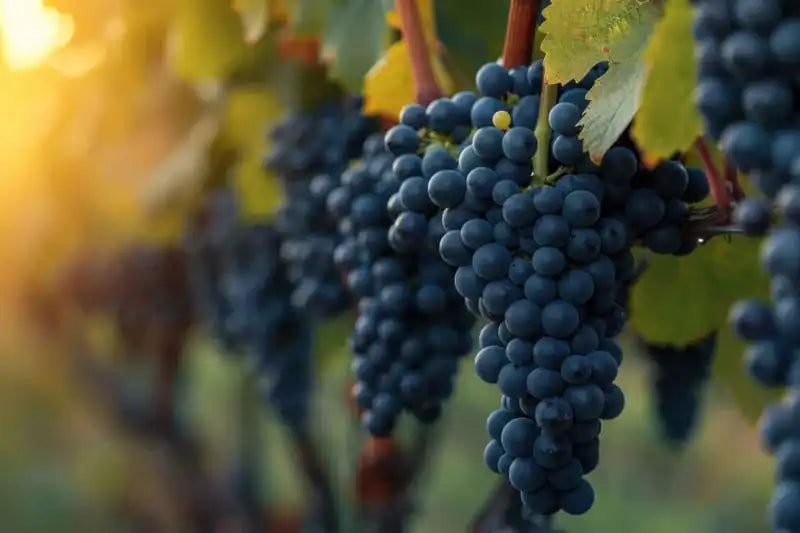
Grapes do well in the Tennessee sun and in the well-drained soils. They are fast-growing along fences or trellises and yield a lot of fruit, either to be consumed fresh or made into wine. Grape Vines are flexible and can fit in tight spaces and suit backyard gardens well.
To learn even more about the best practices when it comes to growing fruit, visit the USDA National Agricultural Library.
How to Start a Simple Backyard Edible Garden?
You do not need any high-level skills to start an edible plant nursery in your backyard. The basic steps to follow are these:
-
Select a sunny spot: The majority of fruiting plants should be placed in the direct sun with 6-8 hours per day of sunshine to grow well and bear fruit.
-
Test and correct your soil: Organic matter and compost will enhance the structure of the soil, water absorption, and microbial diversity.
-
Choose disease-resistant varieties: The TN nursery has plants that have been bred to become tough and durable in the Tennessee climate.
-
Plant correctly: All the plants that are to be planted should be allowed to grow in their own space according to the spacing requirements to facilitate the healthy growth of roots and plants.
- Water: Edibles should also be watered regularly until established; then many of them are drought-tolerant.
Begin with 2-3 varieties and increase others as you become confident. With a trusted edible plant guide and quality stock from TN Nursery, you are set to win during your first day.
Seasonal Care Tips for Healthy Harvests
- Spring: Spread a mix of equal parts fertilizer and mulch on top of the soil around plants to help keep soil moist and keep weeds down. Fruit and vines of the prune should be clipped so as to promote good growth.
- Summer: Water intensively during droughts and keep watch of pests. Mulching assists in the control of soil temperature and in supporting useful soil organisms.
- Fall: Take a harvest of all fruits and lay plants to rest. Eliminate leaves and trash to eliminate illness. Fall is also a good season in which bare-root stock of a plant nursery can be planted.
- Winter: Winter kills young plants, so cover them with mulch or burlap wraps. Arrange the garden plan for the following year and order plants early with TN Nursery.
All-year-long care guarantees healthy plants and a rich harvest every season.
Benefits of Growing Your Own Edible Plants at Home
There are many benefits other than the dinner table to growing your own food:
-
Freshness and taste: When the fruit is picked at the time it is most ripe, it is better than one bought in stores.
-
Cost saving: One fruit tree/vine can save a lot of grocery money, as it can yield over the years.
-
Health benefits: You are in control of what you add to your earth and will never add pesticides and chemicals that are dangerous to your health.
-
Environmental impact: Plants grown at home save carbon footprint waste through the elimination of transportation and packaging waste.
- Mental wellness: Gardening alleviates stress, improves physical activity, and gives one a feeling of achievement.
TN Nursery simplifies the process of having these advantages, as it provides high-quality plants that have been adapted to Tennessee and establish swiftly and yield consistently.
Conclusion
Edible plant farming in Tennessee is very easy and fulfilling due to the good climate and fertile soil that the state possesses. Such varieties as Plum Trees, Elderberry, Fuyu Persimmon, Moonglow Pear, and grapevines are good options to consider when a home gardener is interested in a low-maintenance and high-yield variety. TN Nursery is a good foundation of healthy and robust plants with knowledge and customer service. Begin your backyard edible garden and get years of fresh and homegrown harvests.
FAQs
What plants are edible in Tennessee?
Tennessee is home to many fruits, berries, and vine plants, such as plums, elderberries, persimmons, pears, and grapes.
Which fruit trees grow best in Tennessee?
The easiest fruit trees to grow in Tennessee's climatic conditions are plum trees, pear trees, and persimmon trees.
Can I grow fruit trees in my backyard?
Yes, fruit trees and vines can be placed in most Tennessee backyards because they have sufficient space and a supply of sunlight.
How much sun do edible plants need?
A majority of edible plants in a garden need 6-8 hours of sunlight a day to produce fruit.
What are low-maintenance edible plants?
Grapevines, elderberries, and persimmons have been considered the fastest-growing edible plants and have fewer care requirements.
Where can I buy edible plants online?
TN Nursery sells a variety of high-quality edible plants over the internet that will be delivered directly to your doorstep with good packaging.


