
Selecting The Right Plants
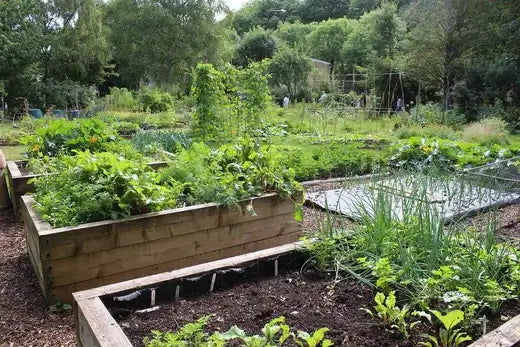
Gardening can be good for the soul․ Increasingly‚ people are looking for an escape in the natural world‚ and a chance to get their hands dirty in the rich‚ moist soil can become almost addictive․ For novice and expert gardeners alike‚ these simple tips can help make your gardening experience successful and rewarding․ Learning the basic concepts will help you feel less overwhelmed and will help make your gardening project fun and satisfying․ Here we will provide vital information on selecting plants‚ as well as organic gardening techniques‚ to cultivate a greater appreciation for the natural world around you․
The selection of plants is every bit as important‚ and difficult‚ as the act of gardening itself․ As with all living things‚ plants have their own requirements for light‚ moisture and nutrients which determine their success in the garden․ These will depend on the climate in your area and the garden environment you wish to create․ So if the area is particularly sunny‚ your plants should like the sun (e․g․ tomatoes‚ sunflowers)․ If the bed will be shady‚ then ferns or hostas may be more suitable considerations․ Also consider whether to plant vegetables or ornamental plants‚ or both․ Getting it right really can be the difference between a garden you'll love‚ and one you'll hate․
Organic Gardening Practices
Organic gardening makes use of natural processes such as the use of cover crops‚ mulches‚ compost and natural predators to improve plant growth and productivity while also performing soil-building processes․ It can also help build up the soil by the addition of compost‚ which also improves the soil's ability to hold water and nutrients․ Mulch can help with controlling weeds and temperature․ Not using synthetic fertilizers and pesticides not only supports plant health‚ but also allows gardening practices to contribute to the health of local wildlife․ In time‚ you will see the benefit of the habitat and the hierarchy you have created by factitious or friendly means and without chemicals․
Companion planting has been around for centuries and can improve the health and productivity of your garden․ Companion planting is planting two or more kinds of plants in close proximity for mutual benefit․ For example‚ planting basil nearby tomatoes was reported to increase flavor‚ and protect against insects which normally attack tomato plants․ Marigolds‚ which repel nematodes and other plant pests‚ are another good companion for many varieties of vegetable plants․ The interdependence of these plants can be used to maximize production and create a more sustainable garden environment where a variety of plants can grow together in relative harmony․
There are a few basic gardening tools you'll want to stock your shed or garage with first․ You may be tempted to run out and buy them all‚ but start small․ You will probably also need a good pair of gloves‚ a trowel and a hand rake (for planting and weeding)‚ and a watering can or hose to keep your plants hydrated․ A small garden fork can be quite handy for aerating the soil and for promoting root growth․ As your skill and knowledge increase‚ you will be able to add more specialized tools to fit your own specific needs‚ the right tools make the work easier and faster‚ and give you more time to enjoy your growing garden․
Pruning Techniques For Growth
Pruning is an important way to keep your plants healthy‚ growing‚ and living longer․ Though it can seem intimidating‚ knowing when and how to prune your plants can go a long way toward beautifying your garden․ Regular removal of dead or diseased wood allows the plant to concentrate resources upon new growth․ In flowering species‚ regular deadheading allows the plants to concentrate resources on such new blooms‚ rather than upon the creation of seeds and fruits from a spent bloom․ There are pruning requirements for every type of plant‚ and knowing what they are is the best way to know that you are cutting the plant correctly․ It might take a little practice‚ but you can learn to trim your plants properly and have a neat and nice looking flower garden․
Whether you want to choose plants for your space‚ use organic gardening practices‚ plant companion plants‚ or learn how to prune plants‚ you can create your little piece of paradise․ Gardening does take time and learning‚ but with these simple gardening tips‚ anyone can have the garden of their dreams․ Certainly‚ the joy of watching your plants thrive under your care is second to none․ Nothing will connect you with the life cycle of the earth more than having a garden‚ whether a massive backyard or a tiny balcony․ Happy gardening! And then eventually‚ each seed sown will become not just a plant‚ but an embodiment of your commitment and love for nature․


