
Aesthetic Value of Tree Varieties
Trees are the lungs of our planet․ They are also very valuable assets to landscaping and can create life‚ functionality‚ and beauty to your living spaces․ With the right trees‚ it is easy to transform a drab yard into a beautiful oasis․ Trees are important for environmental reasons and can play an essential part in even the smallest backyard or the largest garden․ There are many uses for trees‚ including shade‚ production of cover and wildlife habitat‚ and there are several ways for trees to become established in a location․
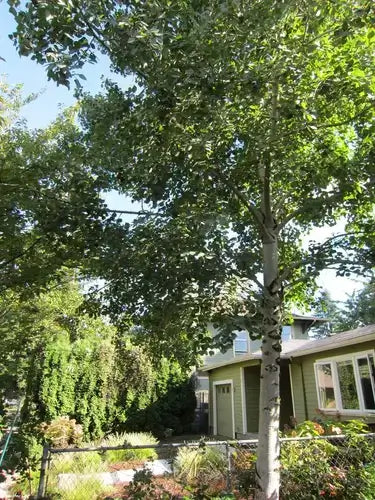
The most cited reason for this practice is aesthetics․ Each tree has its own individual character in terms of shape‚ size and color; trees can complement the architecture of a house and add beauty to the landscape in a variety of different ways․ For example‚ a strong and stately oak tree can give a sense of strength and permanence while an ornamental‚ delicate cherry tree gives an air of whimsy with its spring blossoms․ A mixture of deciduous and evergreen trees can provide a range of seasonal and year-round visual interest ranging from autumn oranges to winter greens․ Additionally‚ when placed correctly‚ a tree can be used to frame a view‚ act as a focal point‚ and add elegance to the outside environment․
Windbreak Implementation Strategies
In addition to their visual advantages‚ trees can also be used as windbreaks to protect property and gardens from the effects of strong winds and storms․ A proper windbreak‚ which may be a number of rows of strongly growing trees‚ may also create a microclimate that may allow sensitive plants to survive and reduce the amount of water or heat to be supplied to the greenhouse or house․ Thus the trees may provide energy conservation and comfort by protecting the house from wind․ When creating a windbreak in a home garden‚ it is best to plant the windbreak species in rows at right angles to the most frequent wind․
Trees do more than just make things pretty‚ and provide shelter‚ they can protect the soil from erosion‚ which is very common in many places․ Trees with a big root system will help keep soil in place‚ by catching the soil when it would otherwise be washed away in rain and floods․ This is especially true on slopes‚ which are susceptible to erosion․ Native tree species are preferred for preventing soil erosion‚ since they are already well adapted to the soil and climatic conditions of the area․ The right tree‚ planted in the right place‚ may thus act as a strong barrier‚ promoting erosion control and providing not only a healthy landscape‚ but also a healthy ecosystem․
Trees can also provide habitat and foraging opportunities for bird species‚ particularly in their canopies‚ as well as for small mammals and insect species that use tree foliage․ A landscape with a wider diversity of tree species may allow for a greater quantity and diversity of wildlife to be attracted to it‚ which can benefit both landowners and the environment․ This permits an owner to increase the biodiversity of the landscape and increase the liveliness of the garden․ Planting fruit trees can attract birds and other wildlife in an interaction between plants and animals which has the potential to improve both the landscape and the personal experience of the owner․
Wildlife Habitat Enhancement
In addition to ecological benefits‚ trees can also supply privacy․ When planted in a calculated way‚ trees in a yard can eventually conceal a property from the distracting sights and sounds of neighbors․ A well planned leafy screen can provide not just privacy but a sense of calm in the bustle of urban life․ Fast growing screen plants such as Leyland cypress or Arborvitae are often used to quickly provide privacy‚ but other plants such as the oak do not grow as quickly and provide a longer living solution to the privacy problem․ Ultimately‚ the landscaping and choice and placement of trees can create peaceful retreats for families to congregate․
In general terms‚ the uses of trees in landscaping are as varied as trees themselves․ A well-designed landscape will use the aesthetic appearance of trees and their environmental functions to create a proper setting․ Trees may provide shade or windbreaks or blend in an assortment of plant species to create an ecological community for the benefit of the wildlife․ Each tree tells a story and provides us with a variety of benefits․ The Environment Agency therefore recognizes the need to appreciate and harness the power that trees have in the landscape and spa‚ to create beautiful‚ sustainable and sensitive spaces that work in harmony with the environment․


