
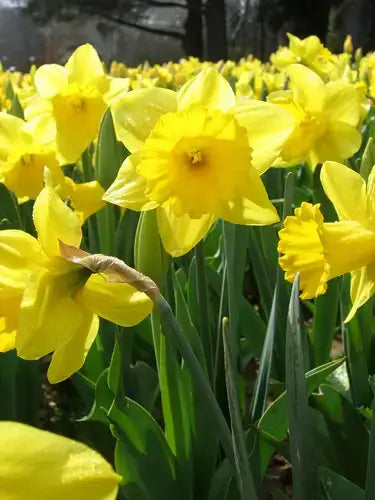
Dafodils are beautiful plants that bloom in the spring. They have also been grown and studied for a long time. Daffodil plants were valued for their symbolic uses in many cultures, and daffodil medicinal uses were studied. In the past, doctors carefully studied the blooms and sap to find certain chemicals that they used in medicines.
These plants were never just random treatments; they were respected natural sources that were used with care. Today, growers are learning that both beauty and function are important. This guide covers traditional uses, safety, and simple tips from TN Nurseries' experts. You will also learn how these flowers fit into modern gardens, how to teach respect for plants and how to handle them safely in everyday fields.
What Makes Daffodils Medicinal
Daffodils are good for you because they have special natural chemicals that are mostly found in the flowers. Daffodil plants are grown in the abbey grounds, and early herbal records describe careful extraction techniques related to daffodil medicinal uses. The plant's alkaloids were studied for both medical and educational reasons. Being close to these substances in their raw form can hurt the skin, so they need to be handled carefully.
Daffodils were never used as kitchen flowers; they were purposely studied plants. For natural chemistry, similar flowering plants, such as tiger lilies, were also examined, though each species is different. These days, people are more interested in learning about the past of plant science and safely observing them than in using them for fun. This information gives us more reasons why daffodils are important besides their beauty.
How Daffodils Grow and Thrive in Home Gardens
Learning how to grow daffodils helps gardeners enjoy healthy blooms and plant education. These flowers come from plants that grow in cool weather and don't need much from the soil. Daffodil planting and care begin with choosing a sunny area that drains well.
Once established daffodil flower care is minimal, which suits home landscapes. Gardeners interested in medicinal uses of daffodils often grow them as teaching plants not harvest crops. Companion plants like blanket flower add contrast and seasonal balance. With patience bulbs multiply naturally and return yearly bringing both beauty and botanical learning to gardens.
Medicinal Uses and Benefits of Daffodils
Usually used for research.
Daffodil medicinal uses in early healing studies are described in historical texts. Scholars examined extracts under guidance to understand plant chemistry. These records helped shape botanical education connected to Daffodil plants rather than casual remedies.
Academic plant studies
Daffodils support learning in herbal science programs. Their chemicals are discussed in controlled settings to show how medical plants work and why it's important to be aware of safety when studying them.
Reference to recent history
In study notes, some nations looked into weakened uses. These methods were never widely used, but they were recorded as learning experiences that affected later talks in plant science.
Healing power of symbols
In addition to their practical use, daffodils stood for rebirth. This symbolic role helped shape customs related to plants and the changing of the seasons.
Botanical research interest
Modern labs review daffodil compounds for academic study. This continues respect for daffodil medicinal uses while emphasizing caution and ethics.
Link to garden meditation
Daffodil plants are good for your mental health. This is connected to the traditional medicine gardens.
Learning about plants
Daffodils show how medicinal plants differ from herbs used for cooking. This difference helps gardeners and supports smart plant care.
Ideal Growing Conditions for Daffodils
-
Planting
Need for sunlight
Daffodil plants grow in patterns that depend on full to partial sun for healthy blooms and plant power.
-
Type of soil
Loose, well-drained soil prevents bulbs from going bad and helps plants grow strong roots linked to daffodil domains for medical uses and teaching.
-
Programs
Water levels
Moderate watering during growth stages keeps bulbs healthy without saturation.
-
Lily Plant
Climate preference
Cool winters encourage flowering cycles and the development of natural bulbs.
-
Spacing
Proper spacing allows airflow and reduces the risk of disease.
-
Seasonal planting
Fall planting supports spring blooms and steady establishment.
Care, Maintenance and Propagation Tips
-
Seasonal cleanup
Take off the dead flowers, but leave the leaves on until they turn yellow. This helps the bulb stay healthy and supports good daffodil flower care.
-
Balance of water
To protect flowers and help simple how to grow daffodils succeed, don't give them too much water during absence.
-
Fertilising method
Light feeding after bloom helps plants grow without worry the next season.
-
Method of spreading
Every couple of years, divide the plants to make them spread out naturally.
-
Be aware of pests
Pests don't like daffodils, which makes them easy for home gardeners to care for.
Conclusion
Daffodils are a beautiful flower that can also teach you about plants. Their history as healers teaches them to respect nature and use safe ways to learn. If you grow them right, these plants give you more than just colour; they also tell you about science and society. TN Nursery helps gardeners by giving them healthy flowering plants and advice. Plants like the Daffodil Plant, the Tiger Lily Plant, the Blanket Flower Plant, and the Foam Flower help make gardens that are easy to use and that teach and make people happy during the holidays.
FAQ
What are daffodils used for?
Daffodils are mostly used in flower fields and to teach about plants. In the past, they were observed for medical research while under supervision.
Is daffodil a medicinal plant?
In historical and academic settings, flowers were used as medicine, but they must be handled carefully and are not meant as a quick fix.
What are the benefits of daffodils?
They are beautiful to look at, good for stress relief, and can help you learn about plant science and history.
Can daffodils be grown safely in home gardens?
Yes, they are safe when grown for show and learning purposes only and not to eat.
Where can I buy daffodil plants online?
You can get good daffodil plants at TN Nursery, which has a wide variety of blooming plants.


