
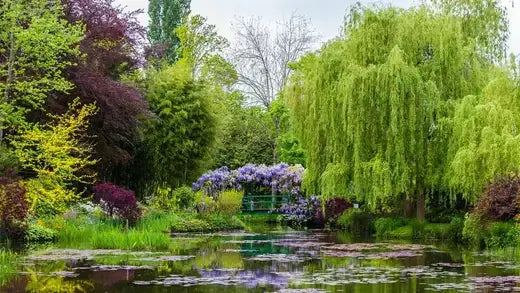
Gardening is one of the best ways to spend some time outdoors‚ get your hands a little dirty‚ and create a little piece of paradise right outside your back door․ But for many people‚ starting their first garden can be a little overwhelming․ But anyone can have a beautiful‚ aromatic‚ and productive garden with a little know-how and some hard work․ This guide covers everything from the basics of gardening to getting started on the road to green-thumb gardening for those just beginning to learn the ropes․ So‚ roll up your sleeves‚ put on your sun hat‚ and prepare to embrace the earth's gifts as we dive into the wonderful world of gardening․
Choosing the Right Location
The first step to a successful garden is choosing the right location․ Most plants will thrive in full sunlight․ Next‚ find a location in your yard that gets at least six hours of sunlight per day․ Observe the sun's path through your yard so you understand the direction and magnitude of shade cast by trees and structures throughout the day․ You should also consider how well this earth can drain․ Even though it may seem nice and moist‚ any wet‚ muddy soil will kill new plants and mature crops․ After examining the land where you want to have your garden the two most important factors to look for are sun and drainage․ Be sure that whichever site you choose has both!
Once you have your garden lot‚ you can begin your search for determining the plants that you would like to grow in your starter garden․ Beginning gardeners will want to choose plants that are easy to care for and forgiving during the perils of gardening‚ such as pests and weather variations․ Widely recommended plants for novices include herbs such as basil and parsley‚ flowers such as marigolds and zinnias‚ and vegetables such as radishes and lettuce․ Plants which are easily grown from seed tend to provide the most rewarding experience for the novice gardener․ They also tend to grow quickly‚ giving a more immediate reward for the gardeners' labor․
Seasonal Gardening Tips
The task of doing the gardening definitely has its seasons․ For example‚ the work of planting seeds or seedlings is done in the spring and watering and weeding a garden is done in the summer․ In many places‚ autumn is the time for gardeners to save seed‚ for the next year's flowering or vegetable plants․ While winter can be a time of dormancy‚ it can also be a time to make plans for next year's flowers‚ learn about new flowers or start indoor gardening․ Another important part of successful gardening is understanding the seasons and climate of your area‚ when crops should be planted‚ and how to care for them․
Companion planting is the practice of growing different plants together‚ as some plants may be an advantage to others in some ways (such as preventing the growth of pests‚ promoting growth‚ or improving the flavor)․ Basil grown next to tomatoes will produce more flavorful tomatoes․ Basil is also used as a companion plant to repel certain nematodes and other pests that affect vegetables and other plants․ Companion planting is one way to give every plant the best chance of survival‚ make gardening feel more like a village‚ or a flourishing ecosystem in which all the plants support each other․
Before you start digging in the dirt‚ get yourself some essential gardening tools to make the job easier and more enjoyable․ A good pair of gloves will protect your hands from dirt and thorns and provide some cushion‚ so you can plant and weed with ease․ Tools such as a trowel‚ a hand rake and a pair of pruning shears can make the job of planting‚ cultivating and maintaining the plant easier‚ while a watering can or hose with an adjustable nozzle is useful․ A good kneeler or garden seat can reduce the stress on the knees or back when working in the garden for long periods․ For some‚ this makes a chore that could be tedious more enjoyable and the outcome more satisfying․
Essential Gardening Tools
This is a new program and therefore the skills will take time to improve‚ not every seed will germinate or plant survive‚ but that is a learning process‚ and therefore a benefit․ When you are learning to grow things‚ like every gardener knows‚ there is a challenge in everything‚ and therefore with every challenge there is a learning and a growth‚ not just for the plants‚ but also for nature itself․ Even the first bloom of a petunia or the first cut of a lettuce plant deserves a few minutes of recognition as the gardener's work is mainly a work of love․ To the gardener‚ to each of us‚ gardening is a celebration of the connection we have with the earth and everything upon it․
And with a little bit of careful planning‚ a touch of hard work‚ and above all‚ a bit of patience‚ you will find that gardening is not a task so much as a thrill․ A pleasurable pursuit that will bring beauty and richness to your life․ Notice your seedlings‚ the dirt under your fingernails‚ the sun in your eye‚ and the colors of the flowers yet to bloom․ Dig deep‚ get dirty‚ make mistakes‚ and rejoice in all the little miracles throughout the growing season of plants‚ both flowers and vegetables․ They provide food for the soil‚ for our bodies‚ and for our imagination․ In taking on gardening you become a witness to the arts of nature at work․


