
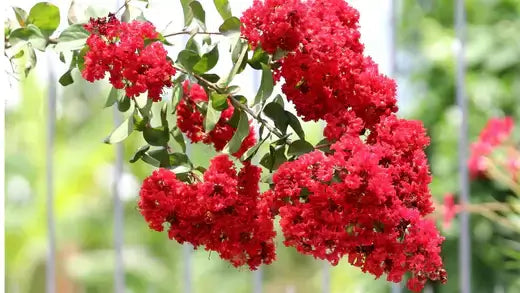
Crepe Myrtles: The Southeast's Most Reliable Summer-Blooming Tree
Crepe myrtles bloom for 90 to 120 days‚ longer than almost any other flowering tree you can plant in your Tennessee yard․ They do well in USDA growing zones 6 through 9 and require little maintenance once established․ If you've ever wondered why they line so many streets and driveways in the South‚ it's because of the three big traits of months of color‚ minimal care‚ and a tree that looks good in every season of the year‚ not just during the two weeks that most flowering trees bloom․
Today at TN Nursery‚ we grow and ship crepe myrtles because they are one of the few plants that live up to their hype․ Let's take a look at what makes them so successful and how to grow them․
Why Crepe Myrtles Perform So Well in Tennessee
Crepe myrtles are native to Asia‚ but they are so common across the southeastern United States that they could easily be mistaken for a native species․ The plants are adapted to Middle and West Tennessee's zones 6b-7a․ Moreover‚ the hot‚ humid summers that are so difficult for some plants are just what the crepe myrtles want: a hot summer to get them to bloom profusely‚ from June to September․
In the more mountainous areas of East Tennessee‚ higher elevations may push to zone 6a or maybe even 5b, and selection of varieties is critical‚ since not all crepe myrtle varieties can withstand a hard winter there․
Bloom Time and What to Expect Each Year
In the first year after planting‚ the crepe myrtle will display little to no bloom‚ as its roots become established․ In the second year‚ it will display a modest‚ increased amount of bloom‚ and in the third year‚ or fourth if the plant is located in a good soil or is given full sun‚ the plant may be completely covered top to bottom with flower clusters (panicles)․
After it is established‚ bloom generally lasts from late May until mid-June in Tennessee‚ and in some cases until the first part of October during a warm fall․ Deadheading flower clusters (snipping off spent blooms) periodically will stimulate a second and even a third flush of bloom during the growing season․ It's a small task that pays off hugely․
Choosing the Right Variety
In terms of practical concerns‚ size and cold-hardiness are the two things you actually need to think through before color․
Natchez is probably the most commonly planted of the South's crepe myrtles․ And for good reason․ Growing to 20 to 30 feet (6․1 to 9․1 m)‚ it offers white flowers and cinnamon-colored‚ exfoliating bark providing winter interest long after the flowers are gone․ It is also one of the hardiest whites for East Tennessee gardens‚ with cold hardiness to zone 7․
Dynamite is one of the true red bloom plants‚ as opposed to the pink red bloom․ This plant is small‚ 10 to 15 ft (3․0 to 4․6 m), which is great for a small yard and still a large burst of color․
It produces soft lavender flowers‚ reaching up to 20 to 25 feet tall‚ making it a good candidate for a property line specimen or hedgerow that provides height without completely blocking views further along․
Tonto is a fuchsia-pink dwarf-medium‚ 8 to 10 feet high‚ and one of the most mildew-resistant‚ which is important in Tennessee's humid summers․
Sioux gives deep pink flowers on a plant that is a little shorter and good for foundation plantings․
Acoma‚ which stays smaller and semi-weeping with white flowers‚ is recommended for use as a border plant or container-grown on patios․
If you live in a colder microclimate (such as a valley in the Cumberland Plateau) or anywhere else where winter lows are regularly below 0 degrees Fahrenheit ‚ it is best to stick with the more cold-hardy cultivars such as Natchez or Muskogee‚ as some of the newer dwarf hybrids may die back in a hard freeze․
Planting: Timing and Technique
Fall is a better time for planting crepe myrtles in Tennessee than spring‚ although most people don't recognize this․ Autumn planting‚ say October or November‚ gives the roots a few months to become established before next summer's heat․ A spring planted tree must do both‚ rooting and blooming‚ during the same season‚ and usually experiences more transplant shock․ Planting in spring is also an option; just make sure to water regularly that first summer․
Dig a hole twice the width of the root ball but no deeper‚ as crepe myrtles do not like to be planted too deep․ Place the root ball at or slightly above the soil line․ Backfill with native soil; crepe myrtles are not fussy about growing conditions, and too much fertilizer can encourage circling roots․
However‚ it prefers full sun (six or more hours)․ While trees planted in partial shade will survive‚ they will have diminished flowering and become leggy as the tree reaches for the sun․
Ongoing Care
Water once or twice a week the first year or two‚ then less; established crepe myrtles are fairly drought-tolerant‚ and generally need no additional watering unless there has been an extended drought without rainfall․
Fertilizer is minimally needed‚ and a light‚ balanced‚ slow-release application in spring will suffice․ A high nitrogen content results in excessive leaf growth at the expense of flowering‚ which would defeat the purpose of growing the tree in the first place․
And pruning! This is where a lot of people go wrong․ Crepe murder‚ or cutting back a mature tree to stubs in winter‚ is not necessary․ In fact‚ it is counter-productive‚ as the new growth produced in late winter is weak and whippy and cannot hold the weight of the blooms․ Instead‚ prune ONLY for crossing branches‚ suckers at ground level and dead wood‚ in late winter (in Tennessee‚ this is generally in February) when the weather is less likely to subject the trees to severe frost․ If you choose a variety that becomes a mature size well suited to its location‚ it will rarely need control․
A Few Common Problems
Powdery mildew can coat foliage with white powder during humid conditions․ Trees should be spaced properly for good air circulation, and resistant cultivars‚ such as 'Tonto' or 'Natchez'‚ should be planted in known powdery mildew areas․ If aphids do appear on the leaves‚ they can cause honeydew and sometimes black sooty mold․ A strong blast from a hose or insecticidal soap usually suffices․
Crepe myrtles are the low-maintenance, high-reward tree to add to your Tennessee landscape․ Take some time to make sure you pick the right variety․ Plant it right‚ and it will give you months of color for decades․
"


