
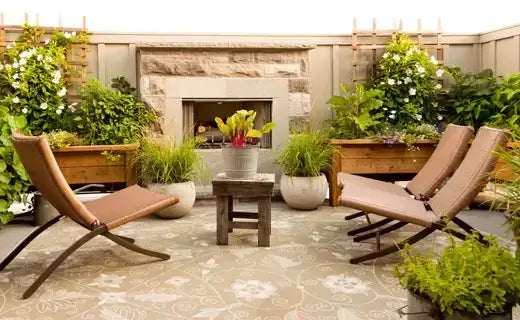
How to Create an Outdoor Oasis: A Plant-by-Plant Guide for Tennessee Gardens
Getting a garden to work is mostly a matter of three things: plants that suit your actual climate‚ plantings in layers so something is always going on‚ and enough structure (paths‚ benches‚ screens) so the garden is a place with a purpose‚ rather than a bunch of plants․ In Tennessee‚ the USDA 6b-8a plant zones‚ and the humidity and clay soils‚ can dictate what will thrive and what will die on you by the time August rolls around․
The book includes a plant list for the Southeastern gardens as well as information on how to develop a garden that can be used as a retreat rather than merely a place to collect plants․
Blue Lobelia (Lobelia siphilitica)
Another native perennial that grows spikes of dark blue flowers from midsummer to fall․ This is one of the best plants for wet and soggy spots in Tennessee‚ such as the area around your downspouts‚ ponds‚ or low spots where water collects after a rain․ It likes partial shade and moist soil but its bloom will stop abruptly if it gets too dry․ Deadheading old flower spikes every few weeks keeps the blooms coming until September․ Hummingbirds and swallowtails use it a lot‚ so plant it if you're trying to bring pollinators into a shaded part of the garden where most flowering plants won't survive․
Hostas (Hosta spp․)
These are the plants of choice for shady spots in Tennessee yards․ Once established‚ hostas are virtually foolproof․ Plant in the spring or fall in good‚ well-drained soil‚ and the clump should be well established in two or three years․ The blue-green and chartreuse and white and green variegated leaves can provide a lot of textural variety without any flowers․ The one downside is that slugs can be a problem in Tennessee due to the humid summer months‚ more than in drier areas․ Slugs are preventable by placing a ring of crushed eggshells or diatomaceous earth around the plants‚ and do not require the use of chemicals․
Bamboo (Bambusoideae spp․)
Bamboo can be used as an effective screen against neighbors or traffic noise‚ or to create an almost tropical atmosphere in an enveloping outdoor space․ A key decision is whether to choose clumping or running varieties․ Running bamboo propagates by rhizome‚ can spread 10+ feet in a year in the hot‚ humid climate of Tennessee‚ and will invade your neighbors' yards if you let it․ Clumping bamboo varieties are the best kind for most residential properties because of their slower growth․ It prefers full sun to light shade‚ and deep waterings during the first year to establish roots․
Hydrangeas (Hydrangea spp․)
Hydrangeas are probably the single most requested shrub for outdoor living spaces‚ and most varieties (especially the Bigleaf and Panicle types) do well in Tennessee․ Bigleaf bloom color may be affected by the acidity of the soil․ In soil with a pH of 6․0 or lower‚ the flowers will typically be blue‚ and they will turn pink in soil with a pH of 7 or higher․ You can influence this by adding aluminum sulfate or garden lime‚ but the effects take a year to come through․ Bigleaf types should always be pruned as soon as the last flower has faded․ They produce flowers from buds formed the previous season on old wood․ Late pruners may lose summer flowers․
Hibiscus (Hibiscus spp․)
Hardy hibiscus will survive in Tennessee‚ returning each spring as new growth from the roots․ Even so‚ you may be startled to think your plant has died in the winter months‚ but do not: it may just be slow to bud in March․ Full sun is required and consistent moisture is needed‚ especially during that dramatic early summer growth spurt when stems can reach several inches a week․ The flowers are 6 or 8 inches across and may last one day․ The plant is kept busy sending up new blooms all summer long‚ giving the backyard a Tennessee resort feel people are usually chasing․
Lyreleaf Sage (Salvia lyrata)
This low-growing native perennial is regrettably underused by home gardeners․ It blooms in early spring with violet-blue spikes of flowers well before most other perennials are doing much of anything․ The foliage is a low rosette of blue-green leaves․ It self-seeds freely‚ either a good thing or a bad thing depending on how tidy you want your beds to be․ This is an excellent naturalizer for rock gardens․ It is drought tolerant and grows well in poor soil; it is one of the most low-maintenance plants on this list․
Bellflower / Merry Bells (Campanula hybrids)
Bellflowers also add height without overpowering the design․ From 12 - 24 inches‚ depending on the variety‚ the flowers come in blue‚ white or pink on nodding stems․ The Tennessee native prefers full sun in the cooler part of the state but afternoon shade in the warmer parts‚ in hardiness zones 7b and 8a․ Soil should be well drained (standing water will quickly rot the crown)․ It should be used at the edges of borders or pockets in rock gardens‚ where it contrasts nicely with lower growing groundcovers․
Designing the Space Itself
When it comes down to plants‚ once you know what plants you're working with‚ it comes down to how they fit in․
A good place to start with the sun is to walk your space in the morning‚ at midday and late afternoon to see where you have full sun‚ dappled shade‚ or deep shade․ This single step prevents more plant failures than any other factor․ Hibiscus and bellflower need full sun‚ hostas and lobelia prefer shade or partial shade․
First zone your garden area by use and plant type․ Actual seating‚ eating and fire pit or water feature should be decided before you start the plantings․ You can then use taller plants such as bamboo or hydrangeas around them and shorter perennials such as lyreleaf sage or bellflower for transitions․
Add some hardscaping․ A gravel path or a small patio‚ or a few stepping stones running through a planted bed gives the eye somewhere to rest and makes the garden usable year-round‚ not just at times of year when it is blooming․ Plants alone‚ no matter how well chosen‚ tend to read as yard rather than space without some hard surface to anchor them․
Consider bloom sequence as well as bloom color․ Early spring bloomers such as lyreleaf sage are followed by middle summer blooms such as hydrangeas and hibiscus and then blue lobelia in early fall․ Layering plants this way means that there is no dead space between them․
TN Nursery ships hostas‚ hydrangeas‚ hardy hibiscus and clumping bamboo as healthy‚ established plants ready to go in the ground - a real head start over starting from seed‚ especially with shrubs like hydrangea that take a couple of seasons to bulk up regardless․ Pair the right


