
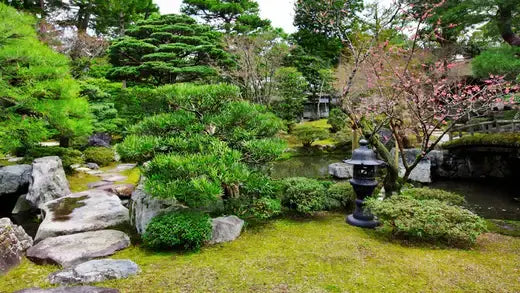
How To Design A Japanese-Style Garden That Actually Works In Tennessee
A Japanese garden is unbalanced‚ limited in color‚ and enclosed․ A Japanese garden doesn't require five acres of land and a koi pond․ You can have a 200 square foot side yard in Nashville or Knoxville that is as beautiful as a 2-acre estate in upstate New York as long as you get the bones right․ And that's not just plants: it's also those spaces between‚ something many garden guides seem to ignore entirely․
Most of the state is in USDA zone 6b to 7b․ Most of the maples‚ cherries‚ conifers‚ ferns‚ and other garden plants found in Japanese gardens in the Northwestern United States can be planted if heavy clay soil and hot July weather is considered․ The key to building a Japanese garden in Tennessee is to select plants‚ not lists of plants from the Pacific Northwest․
Structure anticipates plants' emergence․
If you're only planning a tree walk your space‚ make sure to include room for a path‚ a bench (or bench stone)‚ a patch of gravel or moss reading as a dry streambed․ The Japanese garden is founded on asymmetry․ The design should include odd numbers of groupings‚ off-center focal points‚ and curved lines of sight․ Stake or mark the layout of the hardscape‚ outline the live plants with garden hose‚ and live with it a week․
Japanese Maple: The Anchor Tree
When all is said and done‚ Japanese Maple (Acer palmatum) is the best plant for almost any landscape condition․ No other tree has this much seasonal change with this little work․ In Tennessee‚ the plants should be grown in morning sun and afternoon shade․ Afternoon sun in summertime is hot and dry in Middle and West Tennessee‚ and thin-leaved cultivars may scorch if grown in full sun in afternoon in August․
It will take two or three years for a tree like this young Japanese Maple to reach this size․ It needs to be watered deeply once each week for two summers‚ or less often once established․ In heavy clay soils‚ maples are more likely to suffer from overwatering than from drought․ Adding compost to the planting hole may help with puddling after rain․ One such corner bent in the walk‚ or at the foot of a garden bench‚ with moss‚ or dwarf mondo grass‚ at its feet‚ is worth a dozen shrubs elsewhere․
Spring bloomers: Cistena plum and Okame cherry
It attains a height of 8 to 10 ft․ (2․4 to 3․0 m) or thereabout‚ presumably about the right size for the court where people would enter and for the shrubbery around the house‚ where they could enjoy the flowers and the color of the dark purple foliage following them․
Okame Cherry blooms in as early as February in the southern third of the state․ Other differences are that it has darker pink flowers and does not grow more than 20 ft (6․1 m)․ What is really called for in a small city garden is a flowering cherry tree․ The sort of lot that could hardly hold a full-grown tree is now often too small to hold even its flowering․ Plant either so that you shall pass it in the two or three weeks of its flower․ The back corner of the garden is a waste․
Arborvitae: Lean on Us for Strength
The whole garden or landscape is unified by the arborvitae․ In a hedge this tall evergreen form is useful not only as a living fence but also in screening off the area behind a patio or seat․ In a Zen-like setting‚ dark green colored Arborvitae in rows or blocks act as a background to the brilliant red colored leaves of a Japanese Maple tree․
After they become established‚ they can be watered once a week in the first growing season‚ or more often if summer dry spells last more than one month․ These plants grow a thick hedge if spaced 3 to 4 ft (0․91 to 1․22 m) apart‚ or they can be spaced further apart for a specimen plant․
Bald Cypress: An Underutilized Native Tree
Another tree that is rarely mentioned in Japanese garden books but that can be used in Tennessee as a suitable replacement is the Bald Cypress (Taxodium distichum)‚ a native deciduous conifer that does well in a swampy bog or in an average garden․ You should consider this tree if a wet or low area seems to call for it․ The feathery foliage droops to the ground‚ turning rusty orange-brown before it drops and is not matched for colored foliage by very many other conifers․ Where there is sufficient space for a 50 foot (20 m) high tree‚ it makes a good background species․
Ground Layer: Ferns and Moss
This is where a lot of gardens fall down․ Ferns and moss aren't filler․ They're what makes the ground plane feel soft and old‚ and they're essential if you want that "found in the woods" quality instead of a "recently landscaped" one․ Native ferns are well adapted to the moist humid air of Tennessee and the dappled shade that is generally the environment of the Japanese Maples․ Because moss requires moisture to grow‚ in addition to being shaded‚ it may not grow well in direct sunlight‚ even in a place where moisture is supplied․ Therefore‚ the ideal place for moss is the shady part of the house or a thick tree canopy․
Other great plants include Japanese Maple cultivars‚ Bald Cypress‚ Arborvitae and assorted native ferns‚ and TN Nursery can help you find the things that will do best in your zone and soil․
A Realistic Timeline
Given time (two to four years)‚ trees will establish themselves and mosses will colonize bare ground between trunks providing a cohesive ground layer․ First year‚ install hardscapes and structural trees․ Second year‚ plant understory and other ground covers․ Allow years three and four for moss to spread into bare areas within and between trees․ That patience is part of the philosophy anyway - a Japanese garden is meant to be revealed slowly over a period of time․


