
Effective Strategies for Garden Weed Control
By definition‚ a weed is any plant that is not wanted․ These plants appear uninvited‚ growing beyond the borders of areas where we want to grow‚ whether that be a flower bed‚ lawn‚ vegetable garden or other cultivated plantation․ For the gardener‚ creating their own desired plantings while doing battle with unwanted growth is an active battle․ Gardening is a wonderful hobby with many different goals․ Unfortunately‚ there are many things that can conspire against a gardener․ One way to counteract this is to learn how to control weeds in a garden․ Here are a few methods․
Mulching is one of the most effective and environmentally friendly ways to keep your garden free of weeds․ It consists of a protective layer of matter placed over the surface of soil to prevent weeds from growing․ Mulch can be organic based (such as straw‚ wood chips or sawdust)․ Mulch layers block sunlight from penetrating down to weed seeds in the soil below․ Thus preventing weed seeds from germinating‚ and reducing weeds already germinating in your garden or landscaping․ Mulching as a weed control method has a side benefit of moisture retention‚ temperature control‚ and eventually breaking down to help feed the plant‚ making the practice helpful to a plant's well being in general‚ rather than only helping combat weeds․
Dense Planting of Native Flowers can Suppress Weeds
Another possible solution is plant competition strategies‚ where you grow desirable types of plants (like ground covers or fast growing plants) to outcompete weeds for resources․ When you grow desirable plants in a building or site‚ that makes it much harder for weeds to grow because they have to compete for sunlight‚ water and nutrients․ Some plants may be considered companion plants in the sense that they are helpful to each other in terms of suppressing weeds․ Dense plantings of native flowers‚ for example‚ can be used both for aesthetic and functional purposes․ As a dense planting‚ they not only provide ground-covering foliage‚ but also compete for space with weeds․ This solution is both more sustainable and more attractive․
Mechanical weeding methods are another aspect of controlling weeds‚ using hoes and tillers‚ or sometimes machines specialized for the purpose‚ to remove weeds from the garden or field of crops․ Mechanical weeding is done before seed maturity and so requires careful monitoring during the growing season․ This method may require more investment of time and energy than other methods but is usually effective in controlling weeds that have shallow roots․ Weeding with a hoe or similar tool scrapes the surface of the soil‚ uproots the weeds' roots while leaving the crop's more sensitive roots in place‚ and regularly aerates the soil as the weeds are removed‚ thereby improving soil quality․
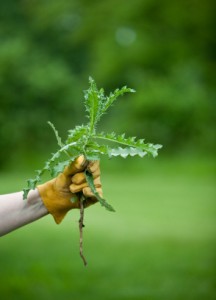
Historically the simplest form of weed control‚ hand weeding is still one of the most effective methods‚ and many gardeners enjoy the exercise of pulling weeds by hand․ Hand weeding is often considered fairly natural as it gets the gardener as close to the ground as possible․ You will need to grab the weed by the base and pull the weed completely out of the ground‚ making sure that you are not leaving any roots in the ground․ This method of weeding is labor intensive and slow‚ especially when weeding a larger garden‚ but will help you to recognize the weeds by sight․ A little time spent weekly on hand weeding will help keep your beds and plots looking neat and tidy and prevent the weeds from overgrowing your plants․
Effective Organic Herbicide Options
In addition to mechanical and hand weeding‚ there are organic herbicide products that are available for use in the garden․ These are used to combat mild weed problems in a chemical-free or organic garden․ Organic herbicide products use ingredients that are safe‚ natural‚ and found in household products․ Vinegar‚ salt or corn gluten meal solutions can be effective against weeds but have to be used with caution‚ as they are non-selective and have the potential of killing off crops and other plants․ When used properly and at the right timing‚ they are effective and can be a useful method for your organic garden․
The best way to approach weed control in the garden will depend upon both your gardening style and the site you are working on․ Mulching‚ competitive planting‚ mechanical weeding‚ hand weeding‚ and organic herbicides can all assist in getting weeds under control before they become a problem․ Each has its pros and cons‚ and your philosophy of gardening will probably determine which of the two is more appropriate to your garden‚ but the end result is that the time you spend in the garden will pay you back with a space that reflects the time and love you put into it: blossoms and vegetables to be grown‚ weeds to be defeated‚ and a peaceful yet dynamic coexistence of life․


