
The way people plan their outdoor spaces is changing because of climate change. Because of sudden heat waves, unpredictable rain and changing seasonal trends, it is important to design landscapes that can handle stress from the environment.
When you do climate resilient landscaping, you pick hardy plants, improve the structure of the soil and make gardens that can easily adjust to changing weather.
-
Ferns
- Anyone can create climate resilient landscapes that are both healthy and attractive all year long with the right techniques.
- An eco friendly yard works with nature instead of against it. Your garden can keep doing well even when things change by using native plants, selecting resilient plants and planning ahead.
- Because native species are already adapted to the local environment, many gardeners are switching to native plants for climate change.
Climate
Why Climate Resilient Landscaping Matters
The weather is making farming harder than it used to be. Heavy storms, droughts and rapid drops in temperature can really hurt plants that aren't naturally strong.
-
Resilient landscaping in different climates saves your garden from these stresses and makes upkeep easier.
- Native species are a big part of this method. Native Plants Landscaping is safer because they need less water, grow well in the soil and attract wildlife that is good for the environment.
- No matter what the weather is like, they stay strong.
- Drought tolerant landscaping is another important method. It emphasizes plants with deep roots, strong structures and water economy.
- It is great that these plants can be used in climate friendly design because they protect the land when it is dry.
By choosing plants that can live without constant care, climate smart gardening lowers the amount of work that needs to be done over time. This makes the outdoor area last longer and be more reliable.
Best Plants for Climate Resilient Gardens
One of the most important parts of creating climate resilient landscapes is choosing species that are strong and can respond to different environments. Native flowers, vines and shrubs are good choices for native plants for climate change strategies because they grew up in the same conditions that your yard does.
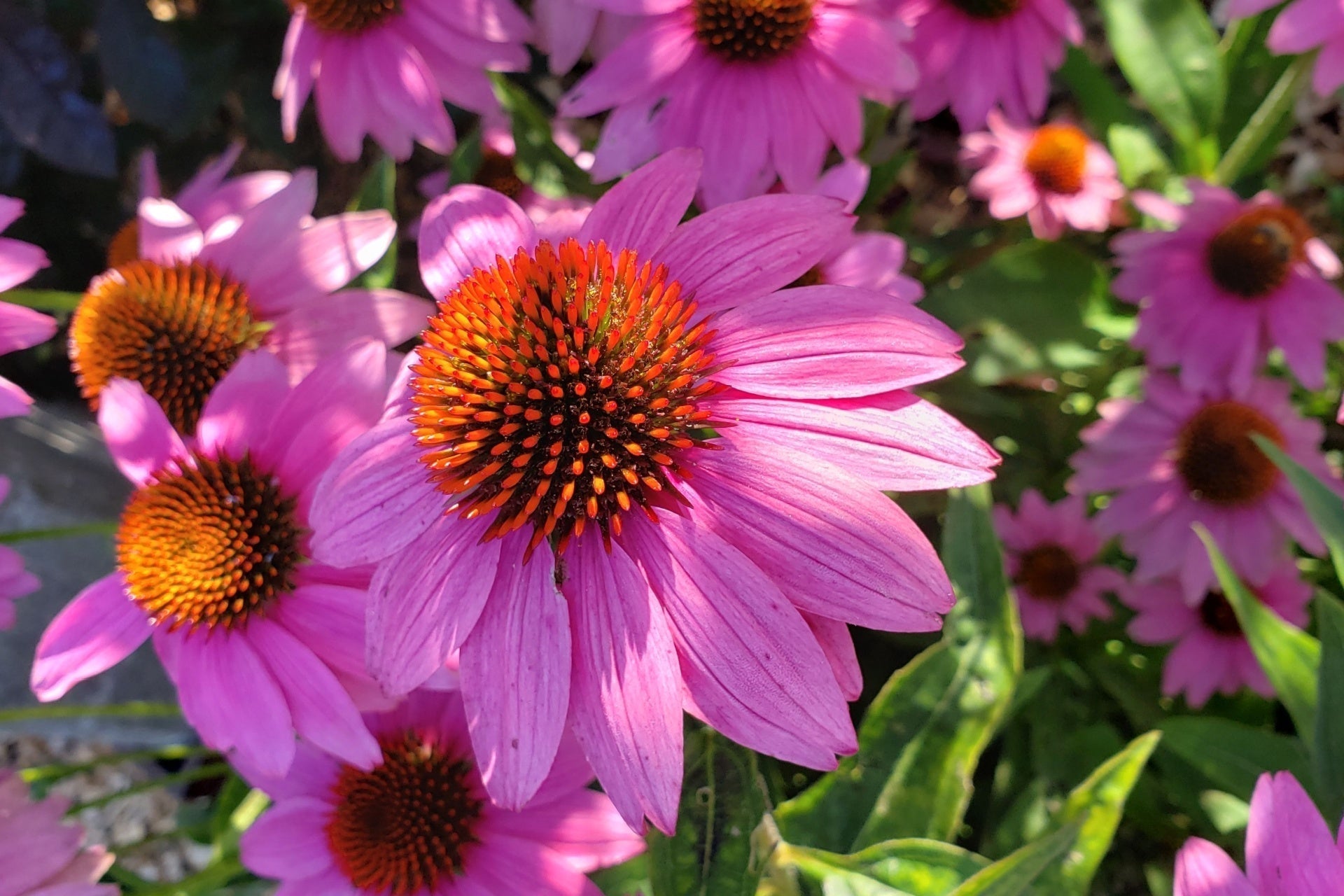
- The Black Eyed Susan is a great choice because it is a hardy perennial that can handle heat, full sun, bad soil and unpredictable rain.
- This plant is great for drought tolerant landscaping and brings in pollinators, which is good for your yard's ecosystem.
- The Trumpet Vine is another great choice. This strong plant doesn't need much care, can handle heat and does well even when the weather changes.
- Birds like to visit its bright flowers, which brings life to your yard and helps protect biodiversity.
- You might also want to grow the Cardinal Flower if you like bright colors. This native perennial does well when the amount of water in the soil changes and its bright, vertical blooms will make any climate smart yard look better.
Black Eyed Susan
Positive Changes You Can Make in Your Garden
There are a number of easy and effective ways to make your area more resilient as a whole. Strong roots depend on good soil structure, so start with healthy soil. Adding compost and other organic matter will help the soil drain better and hold on to more water. This helps the plant handle both drought and heavy rain.
Mulching is another strong way to adapt to climate change. It keeps the earth at the right temperature, stops water loss and keeps weeds from growing. It also keeps plants' bases safe when the temperature changes.
Planting at the right time of the year helps plants build strong root systems before they are stressed. A gardening guide for each season helps you pick the right plants for each season.
In drought tolerant landscaping, it's smart to group plants by how much water they need. This makes areas where watering works better and cuts down on water use that isn't needed.
Strengthening Climate Resilient Landscaping with Additional Strategies
- Choosing resilient plants that can handle both wet and dry conditions
- Putting in rain gardens to handle storm water naturally
- Improving air circulation for plants that are sensitive to heat
Vines
- Giving native plants priority
- Landscaping that will last a long time
If you do these things, your area will be better ready for extreme weather and long term changes in the climate.
FAQs
What is climate resilient landscaping?
A way to make landscapes that can handle climate change by using tough plants, local species and eco friendly gardening methods.
How do I choose plants for changing conditions?
Local plants typically adapt to changes in the environment and need less care, so look for native plants for climate change.
Can native plants improve the resilience of my yard?
Yes. Native Plants Landscaping helps plants grow thicker roots that can handle drought, heat and heavy rain better.
What role does drought tolerant landscaping play?
It encourages plants that do well with little water, which will help your garden stay green even when it's dry for a long time.
How does climate smart gardening help long term?
It requires less upkeep, saves water and makes the field better able to handle changes in the weather.
By choosing plants that can live without constant care, climate smart gardening lowers the amount of work that needs to be done over time.


