
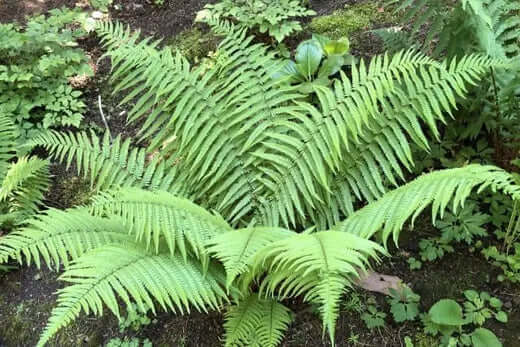
How to Choose the Right Native Fern for Your Tennessee Garden
Choosing the right native fern is a matter of three things: the amount of shade in your garden‚ how wet the soil remains after rain‚ and how much space the fern should fill in three or four years․ Get these three variables right and almost any native fern will grow without fuss․ Tough as they may be‚ get these wrong‚ and by midsummer even the ferns will sulk‚ brown or go․
Most of Tennessee is USDA zones 6b through 7b‚ with zone 8a in the extreme western part of the state near Memphis․ This range is ideal for growing ferns‚ as it is mild enough to grow many species that would typically have problems outside the Upper Midwest but also cool enough in winter to allow dormancy for most native ferns․ So here is a practical guide on what ferns may be used in a Southeast garden setting․
Match the Fern to Your Actual Shade‚ Not Shade in General
All shade is not equal: the dense‚ dry shade under the branches of a mature oak is not the same as the dappled shade cast by the high‚ open canopy of tulip poplars․ Christmas Fern tolerates both conditions much better than any other native․ It tolerates dry shade under trees and stays evergreen throughout the winter months in Tennessee‚ a fact that makes it very useful when most of the garden is bare in February․
Cinnamon Fern and Royal Fern are more tolerant of moisture and can stand a few hours of morning sun‚ so they can be successfully planted near a downspout‚ low spot‚ or pond edge․ However‚ if your garden receives afternoon sun‚ as most gardens do by mid-July in Tennessee‚ it is best to avoid ferns that require deep shade only as they will burn by August․ Maidenhair Fern falls somewhere in between․ It wants dappled light and evenly moist conditions‚ and in return gives us some of the most delicate‚ almost lacy foliage of any native fern․
Year Three‚ Not Year One: Growth Habit and Spread Plan
A quart or gallon container fern may look small or unimpressive in its first season; remember that many natives spend the first year getting their roots established‚ and only then produce new growth․ In general‚ you can't judge how big a fern's gonna get by how it looks in April․
The one that is worth watching is Ostrich Fern that can over a two or three growing season period fill a three-foot-diameter patch if the soil remains constantly moist as it spreads by rhizome․ Lady Fern and Southern Shield Fern make great ground covers for a big shady hillside or naturalizing along a woodland edge․ However‚ they are not perfect for small foundation plantings where one does not want the plant to spread․ These ferns form nice clumps that expand slowly‚ filling in and giving a full look to the bed over time rather than within two summers․
Soil: Most Native Ferns Want Organic Matter‚ Not Sand
There is great variability in the soils across the diverse state․ Middle Tennessee has heavy clay‚ East Tennessee has rocky ridgetop soil‚ and West Tennessee has rich alluvial soil along its river bottoms․ None of these regions has ideal soil conditions for fern harvesting․ Ferns evolved from a habitat of decaying leaves on the forest floor‚ where humus-rich soil took many decades to form․
Before planting‚ work two or three inches (5․1 or 7․6 cm) of compost or leaf mold into the top six to eight inches (150 to 200 mm) of soil․ For ferns in heavy clay‚ also consider mixing in some coarse organic matter to improve drainage․ Ferns prefer consistently moist soil but they do not tolerate a waterlogged environment․ Wet clay soil freezes during winter months‚ which can rot rhizomes․ You can also conduct a simple squeeze test by forming a ball of moistened soil and squeezing it․ If it drips‚ amend before you plant․ If the marc holds its shape but crumbles when poked‚ that's generally a good sign for most native ferns․
Watering: The First Two Years Matter Most
New plantings are very thirsty for the first two years while roots are establishing: this is not a plant you can set and forget in year one even when drought-resistant in maturity․ Water plants deeply every week or two if rainfall is absent‚ reducing as spacing is filled in․
Well established Christmas Fern and Southern Shield Fern are drought tolerant for Tennessee's occasional summer dry spells‚ whereas Cinnamon Fern‚ Royal Fern and Ostrich Fern prefer damp to the touch soil․ These ferns are suitable for the lip of a pond‚ a downspout‚ or other low-lying area of the garden․
Timing: When to Plant and What to Expect
When planting in fall (from September until early November)‚ native ferns get a jump start with their roots continuing to grow over mild Tennessee winters (where soil rarely freezes)․ When spring weather warms‚ the ferns are ready to produce new fronds․ Spring planting (after the last frost of early April) can also work‚ but expect a slightly slower first year‚ as the plant is both establishing its root system and growing fronds․
Most native ferns‚ and their tightly rolled fiddleheads‚ emerge in March or April and take two to three weeks to unfurl․ Deciduous species such as the Cinnamon Fern and Ostrich Fern die back completely after the first hard frost‚ usually mid- to late-October in Middle Tennessee‚ but should not be confused with winter death․ A few evergreen types of ferns (for example‚ the Christmas Fern) will hold their fronds through the winter and begin new growth in spring․
Maintenance Is Lighter Than Most Gardeners Expect
Established native ferns require little care․ For deciduous ferns‚ remove dead fronds in late winter before new fronds appear (leaf out)․ Divide clumps every three or four years in early spring once the ground can be worked‚ either to increase plantings or to distribute divisions․ Fertilizer hurts ferns; there's nothing in it for them․ Instead‚ adopt an annual practice of compost top-dressing․
Building a fern bed that actually works
If you're starting from scratch‚ TN Nursery's native ferns‚ including many of the species mentioned here‚ from Christmas fern to cinnamon fern to ostrich fern to royal fern‚ are grown to perform better under Southeast growing conditions․ Include at least one evergreen fern among the one or two deciduous ferns‚ and you'll have texture and interest all year long‚ even when some ferns go completely dormant during winter․ Use taller ferns such as Ostrich or Royal Fern in the back of a shaded border․


