
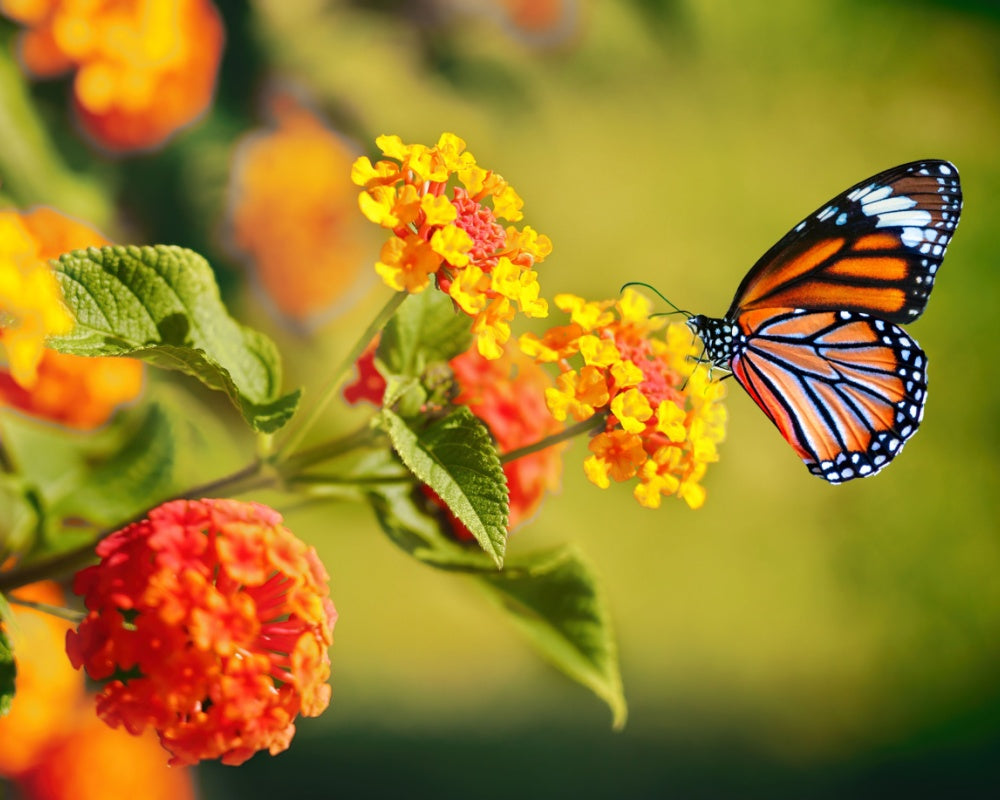
To design a beautiful and wildlife-friendly garden, one must begin with the selection of the butterfly plants. These are colorful, nectar-filled flowers that make the ordinary landscapes come alive as living sanctuaries with fluttering wings and natural beauty. The fact that Tennessee has a warm climate and a lengthy growing season makes it a perfect area to grow butterfly garden plants that enable the local pollinators on a year-round basis.
Butterfly plants are also important sources of food and shelter and breeding zones, as well as beautiful eye candy. When creating a special pollinator garden or increasing the number of butterflies on the plants people already have, native species are the key to success. We have a specialist in the creation of strong and pollinator-friendly butterfly garden plants in Tennessee with its unique conditions.
Why Tennessee Is Perfect for Growing Butterfly Plants?
The climate and geography of Tennessee provide excellent habitats for butterfly plants. The state is in USDA hardiness zones 6a to 8a, and it has a wide variety of plants that attract butterflies from the first months of spring to the end of the fall.
The main benefits of butterfly gardening:
-
Long growing season: Frost-free days of 180-220 days are fostering incessant blooms.
-
Varied environments: Mountain meadows to prairies.
-
Indigenous butterfly populations: Tennessee is the home of over 160 species of butterflies.
-
Sufficient rainfall: 45-55 inches of rainfall every year keeps the plants growing without over irrigation.
- Warm climate: Butterflies are active in warm temperatures.
The USDA Natural Resources Conservation Service suggests that native plants for butterfly garden projects uphold whole pollinator communities, such as bees, moths, and beneficial insects. These plants have co-evolved with the local wildlife and have offered them a perfectly matched food.
Butterfly garden plants enhance the health of soil by the presence of deep root systems, which increase organic matter and promote useful soil organisms. This results in self-sustaining ecosystems with minimum intervention. TN Nursery chooses varieties that have been known to work remarkably in the Tennessee climate.
Best Butterfly Plants for Tennessee Gardens
The selection of plants that attract butterflies can be done to make sure that your garden is a hotspot in terms of pollination for butterflies.
Butterfly Weed Plants
Butterfly Weed is the final nectar plant for the butterfly, which grows clusters of orange flowers between June and August. It is a native perennial that is 1-2 feet tall, can withstand drought, and is the main host plant of monarch caterpillars. It has colorful flowers and also hosts a wide range of butterfly species with no maintenance requirements.
Dandelion Plant
Easily ignored Dandelions are useful early nectar plants for butterflies coming out of winter dormancy. These hardy plants grow from early spring until the fall and bring constant supplies of food when other plants are unavailable. Dandelions provide a habitat to more than 100 types of pollinators and enhance the soil through deep taproots.
Daffodil
These perky spring bulbs are ideal plants for butterfly gardens, as they bloom as early as butterflies require energy to get them through winter. Daffodils propagate quickly, and they come up year after year, producing more and more flowers. Their sun-yellow flowers are important sources of early-season nectar.
Ranunculus Repens
Known as Creeping Buttercup, it is a low perennial that grows glossy yellow flowers, which butterflies adore. It propagates to give good ground cover in wet regions, where it flowers in large abundance during the spring period and throughout the summer. Ranunculus is adjustable to different soil conditions, as well as being a good nectar supplier.
Hairy Buttercup
It is a native wildflower that has yellow flowers all the way from April to June and is thus a favorite among butterfly species. Hairy Buttercup grows 1-2 feet in height and grows in the meadows and naturalized landscapes. It has a long flowering period that nourishes butterflies at essential breeding periods. Available at TN Nursery.
These butterfly plants offer successive flowering from the start of spring until the fall, so that nectar is always available.
How Butterfly Plants Help Local Wildlife?
Butterfly garden plants of your garden have an extensive environmental impact that goes well beyond their aesthetic appeal, which is the basis of healthy living.
- Pollination services: Butterflies feed on nectar and pollinate native wildflowers, garden vegetables, and fruit trees. This preserves the genetic diversity of plant populations and enhances crop production.
- Food web contribution: Caterpillars are a source of important protein to the songbirds rearing nestlings. Host plants of butterflies are essential to the population of birds, as one clutch of them can eat thousands of caterpillars.
- Creation of habitat: Thick planting of butterfly plants provides protection against predation and adverse weather conditions. Butterflies utilize foliage for roosting overnight during rain.
- Soil enhancement: Plants for butterfly garden projects use plants that produce large root systems that inhibit soil erosion and increase water infiltration and organic matter. This improves the microbes and soil creatures.
- Biodiversity Indicators: Butterfly populations that are growing quickly is a good sign that the ecosystems are healthy. Butterfly gardens with lots of plants that attract butterflies are good places for insects to live because they eat pests in the wild.
TN Nursery focuses on native and locally adapted plants that optimize these ecological advantages and also have excellent ornamental value.
Designing a Garden That Butterflies Love
Planning of gardens also increases the number of butterflies and produces beautiful scenery.
Ideas for butterfly garden success include:
- Bright areas: Butterflies are cold-blooded and require the sun to thermoregulate. Butterfly plants should be planted in places that experience at least 6 hours of direct daylight.
- Cluster plantings: Plants that attract butterflies should be planted not as single plants but in groups of 3-7 plants. Colored blocks become more prominent and offer plenty of nectar.
- Sequential blooming: Use nectar plants for butterflies that are available at various times in a manner that provides an unending supply of food from early spring into the fall. Plant early-blooming plants such as Daffodils with Butterfly Weed that blooms in the middle of the season.
- Add host plants: Although caterpillars are nourished by host plants, adult butterflies are nourished by nectar plants. The monarch's host plant is Butterfly Weed.
- Offer water: Butterflies like puddling spots with sand or mud so that they may drink water and absorb minerals.
- Shelter factors: Overwintering sites should have some areas moderately wild with litterfall and erect stems of plants during the winter.
- Stay away from pesticides: Butterflies and caterpillars are killed with the help of chemical sprays. Plants that are naturally pest-resistant, such as butterfly garden plants, should be used due to their adaptation to the local environment.
Alternate heights and textures with butterfly plants of the groundcovers to higher perennials. TN Nursery offers professional advice on the choice of complementary plants.
Easy Care Tips for Thriving Butterfly Gardens
Good maintenance guarantees your plants for the butterfly garden project will thrive and be able to attract the highest number of pollinators.
- Preparation of the site: Select well-drained areas with full sun. Turn 2-3 inches of compost into plant beds to enhance soil structure and organic matter. The majority of butterfly plants would like slightly acidic and neutral environments.
- Planting procedure: Dig holes two times the width of the root balls and plant at the same depth as they had in containers. Space is based on full-grown size for air circulation. Wet the soil and put 2-3 inches of mulch.
- Watering: Water the plants regularly in the first growing season as the butterfly garden plants are establishing roots. Most varieties are drought-resistant once they have grown.
- Fertilization: Do not overfertilize, as this develops foliage to the disadvantage of flowers. Plants that attract butterflies grow more abundantly in poor soil.
- Deadheading: It is recommended to remove the dead flowers on some species to help them rebloom, but leave the late-season blooms for food in fall. All nectar plants for butterflies, such as Butterfly Weed, should be allowed to produce self-soil seed pods.
- Winter treatment: Overwintering butterflies and helpful insects need standing stems and seed heads left through winter. Prune out dead leaves at the beginning of spring.
- Separation: Separate congested masses of perennial butterflies every 3-4 years to ensure vitality.
TN Nursery offers detailed instructions on how to care for each order to create successful butterfly habitats.
Conclusion
Butterfly plants add incomparable life, color, and motion to Tennessee gardens while also maintaining important pollinator populations. Butterfly garden plants, such as Butterfly Weed, Dandelion, Daffodil, Ranunculus Repens, and Hairy Buttercup, make bright entry-level landscapes that are advantageous to the wildlife and the homeowners. Plants that attract butterflies make any yard extraordinary and add a lot of natural beauty and ecological value. Visit our carefully chosen line of butterfly plants that support pollinators at TN Nursery and begin building your successful butterfly habitat now.
FAQs
How do you start a butterfly garden?
It is best to use sunny sites, cluster many nectar and host plants together, have sources of water, and avoid using pesticides.
What plants attract butterflies in Tennessee?
Butterfly Weed, Dandelion, Daffodil, Ranunculus Repens, Hairy Buttercup, and native wildflowers are species that appeal to many Tennessee butterfly species.
Which plants attract butterflies?
Flowers that are flowering with bright colors, especially orange, yellow, purple, and pink flowers, such as Butterfly Weed and Daffodils, are best suited since they are surrounded by nectar.
Which plants bloom the longest for butterflies?
Butterfly weed can be seen from June through August, and dandelions bloom in spring and fall, giving a longer period of nectar supply.
Do butterfly plants also attract bees?
Yes, the plants are mainly butterflies attracting bees, hummingbirds, and other useful pollinators, forming a variety of wildlife.
Where can I buy butterfly plants online?
TN Nursery is a supplier of quality and high-end Tennessee-adapted butterfly plants that specialize in choice and quality in order to achieve successful pollinator gardens.


