
Brake Ferns: The Complete Care and Growing Guide
Brake ferns, called Pteridium aquilinum by scientists are ferns with triangular, layered, and dainty leaves which are very old. These ferns are very flexible and can live almost anywhere from partially shaded garden spaces, and edges of ponds, to being kept indoors as houseplants. These ferns are lush and green in color, and are a joy to have for both beginners and pros in gardening. They also bring a piece of ancient woodland wildlife to any area.
In this guide, we hope to teach you all about the Ferns brake ferns, their beds, perfect growing and western conditions, and how to keep them healthy and growing all year long. We'll even take a look at other ferns and how you can make a collection.
What is a Brake Fern?
The brake fern is a common type of fern across the globe and is known as a cosmopolitan species, and is seen in temperate and subtropical parts of the world. They can grow on rocky slopes as well as open woodland clearings. These ferns have a triangular shape and can have colors ranging from light to dark green. Each frond can grow 2-4 ft, and the whole plant can reach 1-3 ft in width.
The brake fern has a unique character in both folklore and traditional use. Other than a few varieties that have medicinal use, most can be toxic when eaten. So, plant them where curious pets and little kids can’t wander. Having coarse-textured leaves that can remain green year-round in milder climates, they fit the definition of a perennial plant.
Braake ferns have a strong root system. Their black, scaly rhizomes can burrow pretty deep into the ground, sometimes reaching over 10 feet. This helps the plant reach moisture and the nutrients it needs in tough terrains like sandy, rocky, or acidic soils. Also, they are extraordinarily sturdy, with some being able to survive temperatures as low as -43°F.
How to Grow and Care for Brake Ferns
Once you know the basic needs of Grow and Care brake ferns, caring for them is quite easy. Whether you place them indoors or outside, if you comply with these guidelines, your ferns will be in great shape.
Light Requirements
Brake ferns can grow in different kinds of light. They do best in conditions with partial shade. They can grow with some morning sun, but direct light in the afternoon is bad and can cause the fronds to yellow and brown. If you are growing them indoors, a spot by a north-facing window is best or in a place with bright but indirect light is just fine. They can even manage in rooms that have low light, but they will grow slower.
Soil and Water Needs
The best type of soil for Brake Ferns is the type that is moist, but creates a healthy drainage ecosystem so that the root system doesn't drown in water. An ideal soil ecosystem to create for the indoor Brake Fern is a type of mix that consists of peat, perlite and normal potting soil, composed in a manner that allows water to be held, and moisture dissipates rapidly. If the Brake Ferns are located outdoors, planting them in loamy, sandy, or even rocky soil is a good option, as long as that soil doesn't dry out rapidly. They are also tolerant of a wide pH range, from 4.5 to 7.0.
Watering your brake fern is very important. To maintain a healthy plant, keep the soil evenly moist through the spring and summer, the fern's growing seasons. Use your fingers to check the top inch of soil every day, and when it feels dry, it is time to water. Since the plant does not grow in the fall and winter, watering should be reduced. Be careful not to let the roots sit in water since this will cause a fungus to grow that will harm the roots.
Temperature and Humidity
Indoor brake ferns thrive in moderate temperatures and like a lot of humidity. The temperature should be that of a normal room and then add humidity using a humidifier, a grouping of plants, a pebble tray, or by simply misting the plant once in a while. The humidity should be from the air and not the mist, because a lot of water in the air is much more effective than a little in the mist.
Pruning and Maintenance
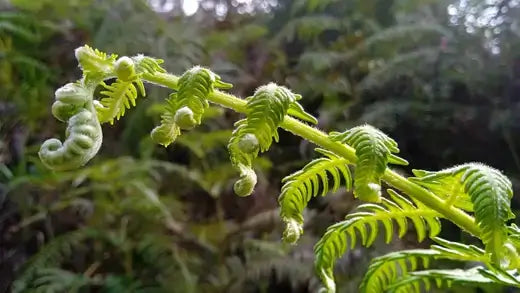
To keep the plant safe and to assist newer fronds in growing, any dead and damaged fronds should be trimmed. For brake ferns, February is the best month to do any deceased frond shaping of the plant, as this is leading into spring. This cutting of the fern should encourage and rejuvenate newer fronds in the fiddlehead stage, leading into the newer growing season.
Other Amazing Kinds of Ferns
There are many ferns to choose from, and although the brake ferns are great, adding new ferns can help create more texture and interest to your gardening or home collection.
Matteuccia Struthiopteris
This plant is called an ostrich Fern because of the way the plant's fronds grow, looking similar to the plumes of an ostrich. The plant's vase shape is brilliant, where the sterile, or non-reproductive, fronds look up to five feet tall and the smaller, reproductive, [[frond|fronds]] are thin and have spores. Ostrich ferns have young, coiled fronds known as fiddlehead ferns with some regions considering them a delicacy when cooked. For them to thrive, they need cool, shady, and moist environments, perfect for woodland gardens and stream banks.
Osmundastrum Cinnamomeum
This plant is called the Cinnamon Fern because of its large, brown, and reproductive frond cinnamon that comes out of the ferns center during spring. The fern's large, green, and non-reproductive fronds are also stiff and can grow around 2 and 4 feet long. It is a really great plant with some hidden beauty and a lot of texture that can really complement some of the more simple shade gardens! This plant loves bogs and is usually found in swamps or near rivers. It is also a really great plant that can really complement a lot of other simple plants in a shade garden!
Fiddlehead Fern
Rather than being one particular type, Fiddlehead refers to a group of species of ferns. The most recognizable of these is the Ostrich Fern. Fiddlehead ferns begin to sprout in the spring and develop into the fern's fronds. People begin to harvest fiddleheads for culinary use in spring. People claim they taste similar to asparagus. Fiddleheads cannot be eaten raw, so be sure to cook them thoroughly!
Pick Out Your Very Own Ferns!
Ferns are beautiful, elegant and are able to add life and color to indoor and outdoor spaces! Whether it's the resilient Brake Fern, or the beautiful Ostrich Fern, all of them will fit perfectly anywhere! If you are ready to keep collecting ferns or want to start, TN Nursery has what you need! We have a selection of pretty ferns that will add beautiful color and serenity to your living space!
Stop by TN Nursery today to buy your ferns!
Fiddlehead Fern FAQs
How do you take care of a cliff brake fern?
Caring for a cliff brake fern can be quite simple. Along with being a relative of the common brake fern, cliff brake ferns do really well in alkaline, well-draining soil. Partial shade with consistent moisture is a must. Just be cautious of overwatering.
How to care for a brake fern?
For brake ferns, provide them with portions of shade along with soil that is moist, well-draining, and that soil does not dry completely. Spraying the plant with water is likely to be a good idea, as they do like high humidity. Also, try to trim the plant, as well as dead or yellow fronds, to promote good growth.
What is a brake fern?
A brake fern is a firm fern with big triangle ferns. It is a calm fern species that is able to grow almost anywhere in the world. It has a strong root system which then helps it grow in any type of environment.
How often should I water brake fern?
Once the soil becomes dry 1 inch down during the hot and busy active season of the fern then it should be soaked with water. Don't let the soil become waterlogged, the goal is to keep the moisture. This should be done consistently.
Do brake ferns like sun or shade?
Screening the sun is preferable.These ferns avoid the sun and and prefer shady and forest like areas. Gentle sun screening in the afternoon is also required for the ferns health.
What month do you cut back ferns?
Cutting back ferns is required in spring, most preferably late spring, as it prepares the fern for a neat and clean appearance in the upcoming season. It also allows for the ferns to grow properly in the season as they have a clean environment.


