
Mastering The Art of Bonsai Care
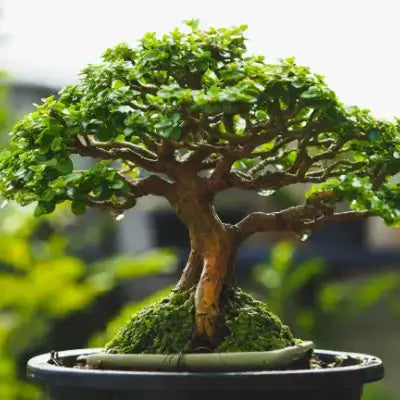
A bonsai tree‚ created and nurtured by a careful hand over many years‚ is a symbol of waiting‚ investing and creating beauty in the small․ It is a work of art in miniature‚ a testament to the beauty that patience and care can produce․ The bonsai tree silently speaks centuries of wisdom․ Caring for a bonsai is not merely a matter of keeping a plant alive․ It is a form of the unencumbered evaluation of one's relationship with the natural world and a way in which we can breathe in the easy living art of it․ Bonsai care and maintenance is ultimately a subtle art form for those who wish to know the methods of keeping such living art․
The most important aspect in keeping your bonsai tree healthy is pruning․ By regularly cutting back on unwanted branches and foliage‚ you can help keep the size and shape of the tree in check and keep it healthy․ Pruning has its benefits‚ including stimulating new growth‚ allowing more sunlight and air to get to the inner foliage and promoting healthy growth․ Pruning should only be done according to a tree's natural growth habit․ And indeed‚ to prevent those seasonal shoots from sucking through them the air and light necessary to the heart of the tree‚ it would be necessary to pinch or prune them almost to the bone․ To prune with this intent is a daily practice of the artist‚ to carve away and direct the whole towards a shape which is the very imitation of nature itself․
Watering is acknowledged by many beginners to be the most difficult part of bonsai cultivation․ This is because trees can easily die from either underwatering or overwatering․ To avoid this‚ the grower must understand the precise watering needs of their bonsai species and the growing conditions to which they are accustomed․ It is generally best to thoroughly water the bonsai until water drips from the pot's bottom and then re-water when needed‚ which can be determined by the tree species‚ the type of pot used‚ and the climate․ As a general guide‚ checking the top inch or so of soil every couple of days and watering when it feels dry should be sufficient․ As you watch the bonsai with time‚ its needs should come to you through your senses and you should learn its natural rhythm․
Wiring is a Method for Bonsai Trees
Wiring is another method of shaping bonsai trees․ In this method‚ thin‚ flexible wires are wrapped around branches and the branches are bent to the desired direction․ Over time‚ branches will grow to take on many forms designed by bonsai enthusiasts and collectors․ In doing so‚ care must be taken to wire a branch delicately but firmly enough that it is unlikely to be damaged or to scar (so that its beautiful bark is marred) by the wire‚ and to leave the wire on until the branch has remained in its new position or orientation․ It can take a while‚ so timing is key and you may need to check your wiring regularly as branches are often quick to grow and may soon be constrained or damaged․
Repotting is a part of bonsai husbandry that many practitioners dislike‚ but which is vital to the long term health of the tree․ A bonsai should be repotted every one to three years‚ depending on species and the tree's growth rate․ Repotting is done to replace spent soil‚ and to provide assistance in root pruning by discarding older damaged roots․ Care must be taken to remove the tree from the pot or container and tease apart roots that have begun to wrap around other roots․ Dead or discolored roots should also be pruned․ When repotting‚ the soil must both be well-drained and hold enough moisture․ The tree is watered gently in the repotting process to help the bonsai settle in to its new environment․ It refreshes the plant's environment‚ and the link between the roots and the earth in which they are situated․
Why Fertilizing Bonsai Trees is Important
Fertilization is rarely mentioned as part of bonsai culture‚ but in fact it is one of the most important measures for increasing growth and improving foliage color․ The difference is that‚ in contrast to normal garden plants that are grown in the ground‚ bonsai are grown in pots․ A balanced fertilizer containing equal amounts of nitrogen‚ phosphorus and potassium‚ can be given to give all around nutrition to a young tree․ Or a fertilizer may be applied in a slow-release formulation․ Fertilize during the growing season‚ during spring and summer‚ and withhold during fall and winter‚ preparing the tree for dormancy․ It is as if this act of feeding not only nourishes the body of the bonsai but also its spirit in miniature․
In conclusion‚ bonsai care and maintenance is a fascinating blend of science‚ art‚ and natural understanding․ Through techniques such as pruning‚ watering‚ wiring‚ repotting‚ and fertilizing‚ you can create and nurture these living works of art that capture the beauty and complexity of nature in a miniature setting․ In the customary and personal view‚ a bonsai tree requires a unique method of training and care that involves an active relationship between the grower and the tree: every tree teaches the grower the art of bonsai and it is the grower who must respond and learn from the tree's growth and development․


