
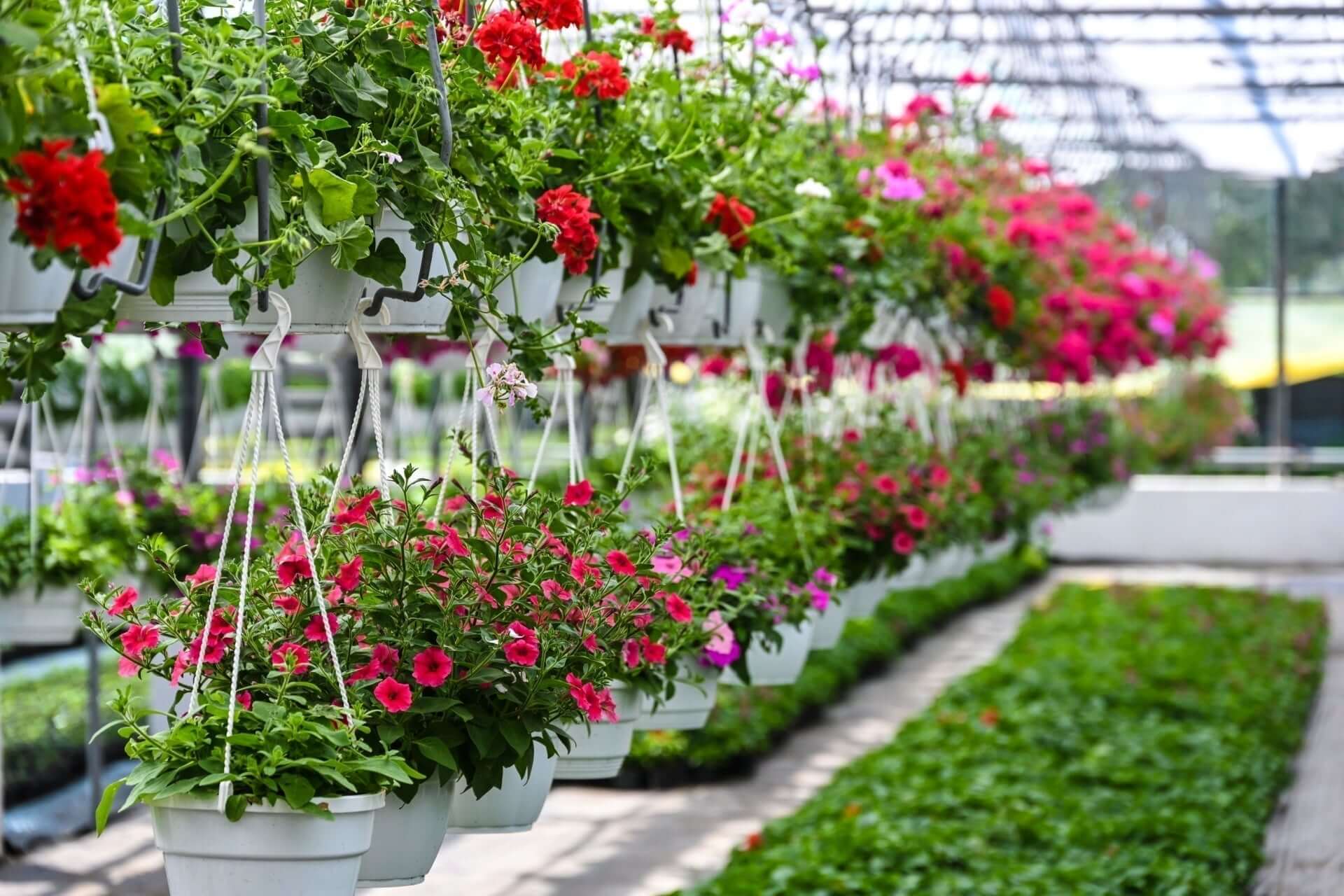
Gardeners can achieve steady, reliable results when growing flowers in a controlled environment. Modern growers make sure that the temperature, humidity, and wind are all just right so that the plants can bloom. Plant health gets better and growth is more stable throughout the year when the setting is done right. This method helps roots stay strong and flowers stay bright. Using a controlled environment also helps get rid of pests, and careful planning helps floriculture farming techniques run smoothly, so you can count on every bloom.
Greenhouses, temperature rooms, hydroponic stations, and automatic systems are all used in indoor flower growing. With these tools, growers can fine-tune every little thing. Plants like the Maximilian Sunflower, the Wild Geranium, and the Sweet Violet do well even in harsh conditions if they are well taken care of. One of the best ways to grow steady, high-quality flowers now is through controlled floriculture.
What Is Controlled-Environment Floriculture?
Bluet Plants
Controlled-environment floriculture is the cultivation of flowers in rooms that are partially or fully indoors, with precise control over temperature, light, and water. For roots, stems, and flowers to grow in the best way possible, growers use domes, caves, grow rooms, or automatic systems. Farmers who use flower farming techniques will find this most helpful as it gives them greater control over growth cycles.
These devices monitor airflow and dampness. In hot, windy or cold weather, automatic settings adjust the temperature. Passion flower cultivation requires special attention, but this balance helps. It also helps plants blossom, which is vital for commercial farmers.
It is simpler to use sustainable farming techniques in a controlled environment because water recycling and cost-effective lights can be combined into the system. You can find out more about these methods at the University of Massachusetts Extension.
Controlled floriculture can help flowers stay healthy and strong year-round when done right.
Key Technologies Powering Modern Flower Farms
LED Growth Lighting
Farmers may change how bright and how long LED lights that look like sunlight are. This makes sure that growth processes happen at the proper time. LED systems also create less heat, which helps keep sensitive flowers safe. These help flowers bloom by allowing farmers vary how much light plants get depending on what they need.
Automated Climate Control Systems
These devices control the flow of air, temperature and humidity. Mold can't grow when air flows continuously, and roots can breathe. Automated controls make it easier to grow specific plants, such as those used in passion flower cultivation, by providing the right conditions for each species.
Hydroponic Growing Channels
In this process the nutrient-rich water is used in place of soil. This makes it easy for flowers to get minerals and helps roots grow quickly. Hydroponic systems save space and support safe growing practices because they use less water and produce less waste.
Timers and drip lines for irrigation
These tools bring water straight to the bases of plants. They help keep plants from getting too much water and waste. Timers also help farmers maintain the right amount of water in the soil, which supports organic farming techniques that value soil biology.
Soil-free substrates and growing medium
Blends of coconut fiber, perlite and peat help roots stay moist while still letting air flow through them. These things help keep pests and soil diseases away. They also agree with methods for controlled feeding in flower growing.
Air Filtration Fans
Filters keep dirt, pests, and pathogens out of the area where plants are growing. This keeps everything stable and protects plants that are easy to damage. It works very well in clean-room procedures for growing fragile passion flowers.
Sensor systems that are built in
Light, pH, wetness and temperature are all tracked by sensors. This gives farmers real-time information that helps them make better choices. Since they reduce waste and boost productivity, sensors are very useful in systems that use sustainable farming techniques.
Benefits of Year-Round, High-Quality Blooms
1. Consistent Bloom Cycles
Flowering times can be predicted in an organized growth area. This level of regularity helps crops grow reliably and flowers stay healthy. Growers can meet customer needs all year long with the help of a well-planned controlled environment.
2. Healthier Root Systems
Roots grow strongly when there is even wetness, proper nutrients and gentle wind. This makes the blooms last longer. Modern floriculture farming techniques heavily rely on these changes.
3. Conditions without pests
Pests are less likely to be found indoors. Flowers grow better and cleaner when there are fewer bugs. Using protected systems also reduces the use of chemicals which is better for farmers' health.
4. Better quality of color and petals
Flowers get their bright colors and smooth textures from temperatures that are kept in check. It is important for some flowers like Wild Geranium and Sweet Violet, which do well in controlled environments with gentle conditions.
5. Higher Production Per Square Foot
Vertical growing and small plants are possible in an indoor environment. Plants grow faster when they get the right amount of food. Commercial growers can use more effective floriculture farming techniques because of this.
6. Reliable Use of Water
Recycling systems for water help reduce waste. If you keep an eye on them, plants will only get what they need. This also raises the oxygen level in the roots and keeps the plant generally more moist.
7. Safety from the weather
Storms, heat waves, and frost no longer hurt crops. One of the best things about having plants in a controlled environment is that the flowers stay the same all year.
Challenges Risks of Controlled Floriculture
While controlled floriculture has many benefits, it also has some problems that need to be solved. The cost is a big worry. It costs money to set up domes, temperature systems, and lights. Also, growers need to know how each part of the system works because one mistake can ruin whole crops. Another problem is keeping the temperature right, since too much water can cause mold to grow. This risk shows how important it is to learn how to maintain a controlled environment the right way.
Use of energy is another one. Electricity is used to power lights, fans, and pumps, so being efficient is important. Growers must also keep a close eye on chemicals to make sure there isn't a mismatch. These jobs need to be done consistently and with good planning. For floriculture farming techniques to work, you still need to be trained and closely watch as you do them. You can handle most risks well if you are patient and have the right tools.
FAQs
Blooms
What is controlled-environment floriculture?
It is a way to grow flowers indoors where the light, temperature, and water are all controlled.
How do LED grow lights help flower production?
Wild Geranium
They keep the light level steady, which makes blooms look better and helps plants grow.
Is high-tech flower growing more sustainable?
Yes, when water recycling and energy-efficient systems are used properly.
Can I grow flowers year-round indoors?
Yes, growth can be steady all year long in controlled environments.
What are the biggest barriers to adopting precision floriculture?
Most of the problems are with the cost, training, and management of climate tools.


