
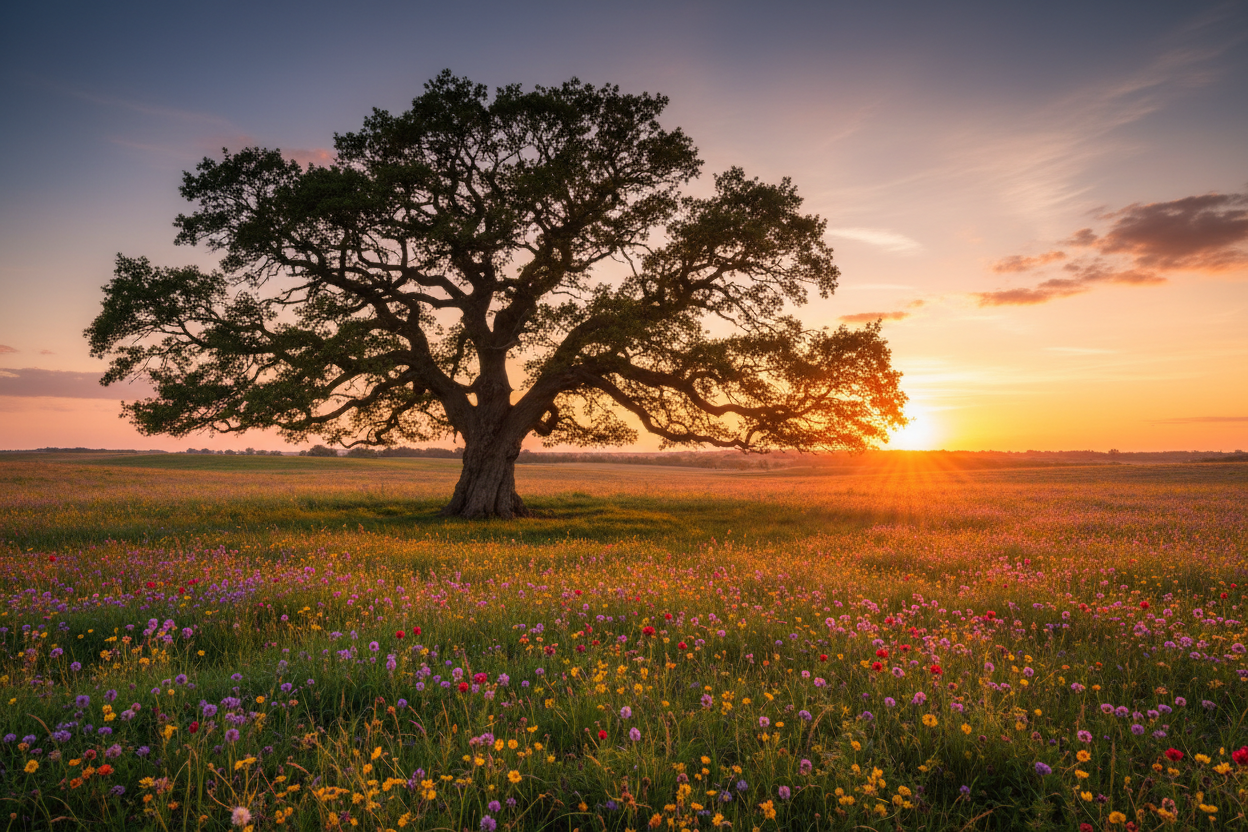
Planting the native trees in your landscape is not all about having a green plant, but a legacy. Native trees are those species that have developed in North America and are exactly suited to the soils, climatic conditions, and wildlife of the area. They need less water, fewer chemicals, and less maintenance after establishment, unlike the imported varieties.
TN Nursery specializes in field-harvested native ornamental trees that are carefully cultivated and ready to plant for generations. If you plant native trees, you are contributing to a sustainable ecosystem. These trees have extensive root systems that stabilize the soil, filter water, and support useful organisms.
Why Are Native Trees Best for Long-Term Landscape Growth?
Native trees are more enduring and versatile than the non-native ones. They have thousands of years of evolution with local insects, birds, fungi, and soil microorganisms. This is a natural association that will yield fewer pest pressures, fewer diseases, and enhanced health as a whole.
Fast-growing native trees such as the River Birch tree form strong root systems. Native species strike a balance between speed and structural integrity, unlike the fast-growing non-natives with weak wood. River Birch is 40-70 feet, producing shade and beauty, and stabilizes moist soils.
The native trees that TN Nursery offers are not greenhouse-grown but grown in the field. They are already accustomed to the actual weather conditions of wind, temperature fluctuations, and natural soil changes.
This is the reason native trees are better in terms of longevity:
- Reduced maintenance expenses for decades.
- Pest and disease resistance in nature.
- Deep roots that tap groundwater in times of drought.
- Native wildlife and pollinator compatibility.
How Do Native Trees Support Wildlife and Soil Health?
Ecological powerhouses are the native ornamental trees. Caterpillars feed birds, which are fed on by them. They generate nuts and berries that feed mammals. Their leaves break down to give fertile compost that sustains life on the soil and accumulates organic resources.
The Hickory Nut Tree is a tree that bears healthy nuts, which are taken by the squirrels, deer, and wild turkeys. It has a thick canopy that supports nesting of the songbirds. Underground, the hickory roots combine with mycorrhizal fungi, which enhance the uptake of nutrients and increase microbial diversity.
The native trees also enhance the living ecosystem under your feet. Their litter of leaves gives life to decomposer beetles, earthworms, and bacteria, which form humus and keep the roots healthy.
The Tupelo Tree is a wet-soil plant and grows nectar-rich flowers that sustain the native bees. Fall migrating songbirds are fed by their berries. The tupelos assist in the filtration of run-offs and erosion prevention around moist areas. Once you order a list of native trees from TN Nursery, you are not just landscaping; you are restoring habitat.
Advantages of Using Native Trees in Landscape Design
Native trees are popular among landscape designers due to the fact that they provide beauty without the need to care about them all the time. They do not require fertilization, irrigation, or pest eradication after they have been planted.
The Catalpa Tree presents a dramatic appeal, with huge heart-shaped leaves and colorful clusters of white flowers. Catalpas can survive bad soil, city pollution, and drought—ideal in low-maintenance gardens.
Fast-growing native trees do not occupy too much space, yet they are structurally viable. Contrary to the invasive species, the native trees near me grow within the natural limits and do not destroy the infrastructure.
The benefits of native ornamental trees are
- Seasonal interest: spring flowers, summer shade, and fall color.
- Climate stability with changing weather conditions.
- Adherence to local ordinances of native plants.
- More value to the property with sustainable landscaping.
The Natural Resources Conservation Service of the USDA offers comprehensive information concerning conservation and the selection of native plants.
Choosing the Right Native Tree for Space, Soil, and Sun
The success begins with the matching of the tree to your site. Native trees near me may not be similar to those 500 miles distant. It is imperative to know your USDA hardiness zone, the type of soil, and the amount of sun exposure.
Fast-growing native trees can be used as fast privacy screens or shade. The River Birch Tree can withstand wet clay soils and, when established, grows 1-2 feet a year.
In drier locations, it is recommended to use the PQK Chestnut Tree. This disease-resistant type of nut brings out edible nuts and grows 40-60 feet high with low maintenance.
Quick Selection Guide:
- Wet Soils: River Birch, Tupelo
- Dry Uplands: Hickory Nut, PQK Chestnut.
- Sites in the city: Catalpa, River Birch.
The staff of TN Nursery can assist you in making a list of native trees that would fit on your property. Our crop that has grown in the field has good root systems that are ready to be transplanted.
Long-Term Care Tips for Healthy Tree Growth
The native ornamental trees require minimum care, and intelligent early management guarantees decades of performance.
- Plant properly: You need a hole 2-3 times the root ball in diameter but not deeper. Plant the tree at the ground level—never bury the flare of the trunk. Native soil not amended mixes, backfill.
- Mulch well: Mulch the base using 2-4 inches of organic material, and keep the material 6 inches off the trunk. This saves on moisture and nourishes soil organisms since it decomposes into compost.
- Water establishment: Water profusely once a week during the initial growing season. The native trees that are mature need hardly any supplemental watering other than during severe droughts.
- Prune less: Only dead, damaged, or crossing branches should be removed. Natural trees grow their own natural canopy with no extreme intervention.
The list of native trees offered by TN Nursery is accompanied by species-specific care instructions to make your investment grow over the generations.
Conclusion
Landscapes that are constructed to be long-lasting are the most intelligent investments that are made in native trees. They bring beauty, shade, and environmental gain at a minimal cost. The PQK Chestnut Tree, River Birch Tree, Tupelo Tree, Catalpa Tree, and Hickory Nut Tree are powerful, strong, and decades-old, valuable trees.
For years, TN Nursery has been cultivating high-quality native trees to be used in landscapes, residential properties, and restorations. Use our experience to assist you in choosing the ideal native trees near me to fulfill your long-term landscape plans.
FAQs
What are the best native trees for long-term growth?
River Birch, Tupelo, Hickory Nut, PQK Chestnut, and Catalpa trees are outstanding in terms of longevity and environmental advantages.
Which native tree is best for long-term investment?
Hickory Nut and PQK Chestnut trees not only yield edible nuts but are also a habitat for wildlife and have a lifespan of 100 years or more.
Do native trees live longer than non-native trees?
Yes, native trees are usually the ones that live longer than the non-native ones, as they are also resistant to pests and better adapted to the climate.
Are native trees better for wildlife?
Definitely, native trees have 10-50 times greater wildlife diversity than non-native ornamental trees.
How long do native trees take to mature?
The common fast-growing native trees have functional maturity of 10-20 years and full size after 30-50 years.
Where can I buy native trees online?
TN Nursery is a quality company of field-grown native trees that are delivered to your homes.
Hickory


