
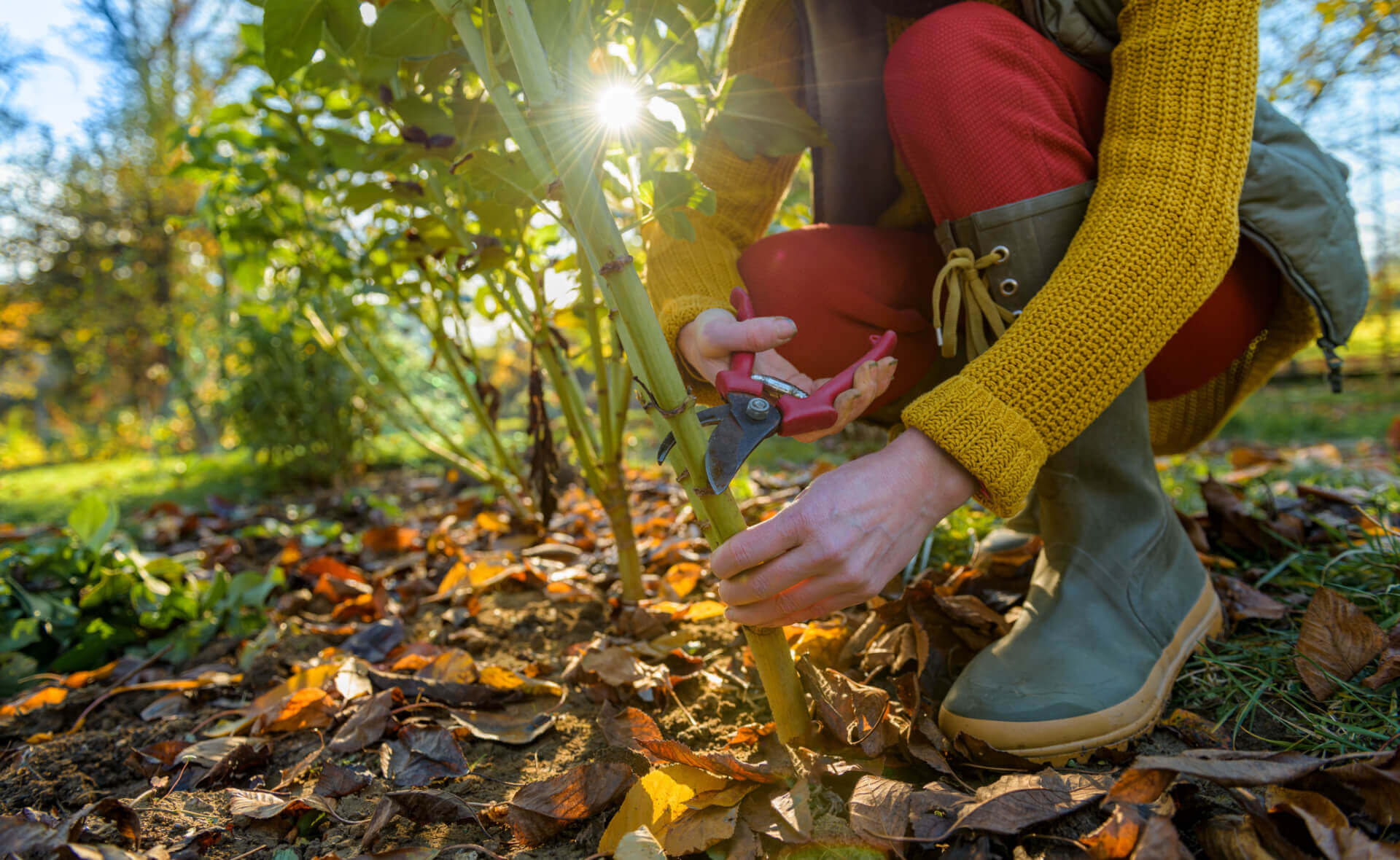
Why Fall Planting Gives Young Plants a Stronger Start
Soil is still warm‚ but the air is holding steady․ The advantages of fall planting are apparent with most perennials‚ shrubs‚ and trees‚ because the roots have the time to spread out without the extra stress of shutting down due to heat․ This is particularly important in Tennessee‚ where soil temperatures can stay brutally warm well into late September; it is best for the plant to be out of the pot and started in the garden by October‚ for six months' worth of root establishment before a hot Southern summer․
That's the short answer․ Now let's look below ground and see why this changes how you should think about your planting calendar․
The Soil Temperature Advantage
Air and soil temperatures cool at different rates․ In Tennessee‚ air temperature first suggests fall chill late in September‚ while soil temperature at root depth retains summer warmth a few more weeks․ This creates a window when the roots and other below ground structures are growing and active‚ but above ground growth is slowing or dormant․ A young shrub or perennial planted during this window will spend its energy growing roots instead of spending it producing new leaves that will be damaged by early frost anyway․
Most TN Nursery customers live in Middle Tennessee where soils will accept roots and are warm enough to sustain root growth as late as early to mid-December in a typical year․ This gives gardeners 2․5 to 3 months' time to plant most bare-root perennials‚ container perennials‚ native grasses‚ and woody shrubs․ Conversely‚ if your main garden is in Zone 6b in the highlands of East Tennessee‚ you can plant no later than mid-November․ The soil freezes sooner in zone 6b than in other zones‚ and in Zone 7b-8a West Tennessee can be planted as late as early December․
Why Is Spring Planting Tough on Young Roots?
Spring is the time of the year when things want to be planted the most․ Spring is the time when everything blooms․ And the garden centers are full of flowers․ But the spring in Tennessee has its own particular problems: late frosts‚ freeze-thaw cycles‚ and mud from the winter rains․ That plant which was put out during a week of sun in April may be frozen rock hard two weeks later‚ and the shock to the plant is far greater than the average person realizes: it may wilt‚ it may be stunted‚ or even die (in the case of tender plants)․
Conversely‚ fall is not a problem in this regard: temperatures are only decreasing and the plant has the opportunity to grow a root system that can last through winter dormancy and start to grow with the arrival of spring․
Rainfall Patterns Do a Lot of the Work for You
In Tennessee‚ monthly rainfall in October and November are more mellow on trees than the thunderstorms and droughts of July and August․ But new plantings are most often lost to the gardener from either under-watering or over-watering‚ two extremes not uncommon for young trees adapting to new locations․ The rain in the fall becomes a little more reliable so you don't have to put the hoses out every other day․
That gentle‚ consistent moisture‚ however‚ helps settle the soil around new roots and helps close air pockets that would dry root hairs‚ slowing establishment․ In fall‚ water well after planting‚ then let them go․ Monitor the moisture levels during dry spells‚ but you don't have to contend with summer evaporation․
Less Competition From Weeds and Pests
By October most annual weeds will have either seeded or died back‚ and most insect pests will have slowed down as the temperatures begin to cool․ For a young perennial or shrub‚ it means that instead of having to compete with the water‚ mineral nutrients‚ root space available as soon as it is planted in May with weed seedlings‚ pests and all‚ a young plant may spend more time to establish its own root system without getting hassled and crowded by weeds etc․
What Fall Planting Looks Like in Practice
Perennials and natives such as coneflower‚ black-eyed Susan‚ ferns‚ wild geranium etc․ shipped by TN Nursery with root systems should be planted at least as deep as in the pot or container and watered well․ Apply a mulch layer of two to three inches deep after the temperature has been below 50 degrees for at least a week․ The mulch is not for winter insulation‚ but to maintain daytime and evening temperatures and to conserve water from autumn rains․
Ground covers and shade-loving herbaceous perennials are commonly used in Tennessee residential wooded lots and understory plantings‚ and the fall is the best time to plant them because they have the longest dormant period to grow before competing with next year's tree canopy for light․
What to Expect Through Winter and Into Spring
You aren't going to get top growth․ What you're doing is giving the plant time to put down roots․ By the time the ground has frozen hard (if it has frozen in most of Middle and West Tennessee)‚ the perennials and shrubs planted in fall have a long enough root system to be able to overwinter and start actively growing as soon as the March weather heats things up a little․ These perennials and shrubs will be two or three weeks ahead of those same plants planted in the spring because they do not have to start their roots over․
The Bottom Line
Fall isn't your consolation planting season‚ it's plantin' time especially in Tennessee․ The weather's hot down here in the summer but nice and mild with warm rains in the fall․ So for perennials‚ shrubs‚ ferns and ground covers you're adding to the landscape this year‚ six to eight weeks between mid September and late November give them the best possible start with the least amount of your watering and the best rooting factor by spring․


