
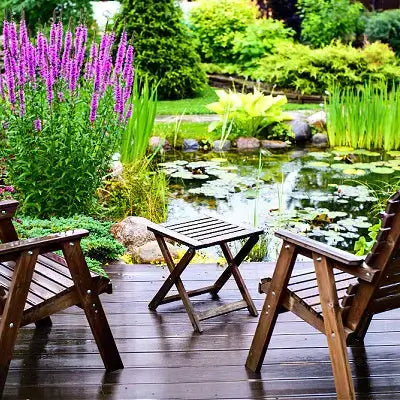
Inspiring Ideas For A Water Garden
Some backyards are not much more than plot of grass or a slab of concrete where you can throw a couple of burgers on a grill during the weekend‚ or hook the kids up to the water hose on a hot summer day․ Creating a water garden is one of the best things you can do․ A wonderful combination of water features‚ plants and wildlife‚ a water garden can totally reinvent your garden․ To the knowledgeable‚ it can provide arresting visual impact‚ the sounds of splashing water and a relaxing ambience‚ making outdoor entertaining a year round event․
Aquatic plants are essential to the appearance and the ecosystem of a water garden‚ and should form an important part of any new water garden setup․ You may like to add decorative lilies‚ whose flowers float on the surface‚ to provide interesting reflections‚ shade the fish‚ and help control algae growth․ Submerged plants such as hornwort‚ anacharis‚ etc․ can help oxygenate the water and provide shelter for tiny organisms․ A mixture of floating‚ submerged and marginal plants can offer a diversity of color‚ shape‚ and scent‚ to stimulate all of the senses and thus add to the overall experience of the pond․
Plant Native Perennials for Biodiversity
But not only should the water garden be a work of art; it should also attract and support wildlife․ One way to attract local species‚ such as butterflies and bees‚ is to choose native plant species for your water garden․ You can encourage biodiversity by adding some stones so frogs can bask and some shallow areas so dragonflies can rest․ Frogs‚ toads and some water insects will come if the pond looks more natural with a rocky shelf and a range of depths․ Placing smaller logs or branches amongst the setup will allow the birds somewhere to perch‚ and thus have the setup become a busy place‚ whilst having a loving relationship with nature․
Japanese water garden: This type follows the principles of customary Japanese gardens‚ and typically incorporates simplicity‚ harmony‚ and peacefulness․ In addition to a water feature‚ landscaping details such as stepping stones‚ gravel paths or bamboo throughout the property subtly improve the tranquility of the surroundings․ Koi ponds can be included and illuminated with lanterns to convey movement․ Asymmetry is an important part of Japanese gardens․ You can use uneven spacing‚ even in rocks and plants‚ to create visual diversity without losing the peaceful environment that characterizes these gardens․ Different sizes and shapes of stones and carefully chosen water plants will help your garden to represent Japanese culture and tradition as a whole․
Choosing a water feature helps set the theme of the water garden․ A small‚ simple fountain can provide the soothing sound of trickling water and a point of interest without overwhelming the garden․ The backyard pond can also act as a home to bright koi fish‚ providing a delightful assembly on the shores of the pond․ Waterfalls can provide both movement and the sound of "falling water" to escape the hustle and bustle of the city․ One Thai-style aspect‚ whether ornate or simple‚ can tie the project together‚ but should not over-shadow the plants or animal inhabitants introduced to the landscape․
Install Lighting for a Unique Garden
You can enjoy your water garden at night as well as in the day by choosing the right type of lighting․ Too much lighting can spoil the effect you want to create but it can also add a touch of mystery․ Solar powered lights can line the paths of the garden‚ offering lighted wayfinding to guests and creating more ambiance․ Underwater LED lights can be placed to illuminate underwater plants or to draw visibility to koi movement through the water at night to entice guests․ The lights can not only decorate the area but also encourage the use of the garden even at night and with the sky full of stars․
Creating an amazing water garden in your back yard can be a daunting task‚ but when done correctly‚ it can make an ordinary yard an extraordinary one․ You will be able to have a beautiful array of aquatic plants in a wonderful environment that will support all sorts of wildlife․ The same design can be transformed into a beautiful oasis with a Japanese water garden and a series of interesting water features‚ which fit the decorating styles of the property owner․ Also‚ outdoor area lighting will help extend the hours you can enjoy your oasis and enjoy the view always․ Every detail of this practice‚ which forms part of the bliss of peace‚ beauty‚ and harmony with nature‚ is a joy to put into practice and to follow through on․


