
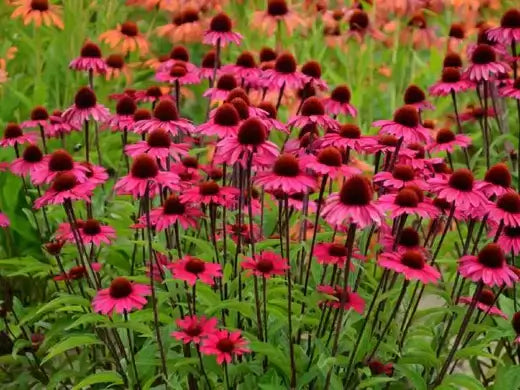
Perennials are a class of plant which‚ since the time of gardening as a hobby‚ have been of interest to gardeners and plant enthusiasts․ Unlike annual plants‚ these grow back each season․ They are considered to be symbols of resilience and beauty enduring in nature and are a familiar presence in colorful and vibrant gardens․ For many‚ perennials are appealing not only for their beauty but for their apparent attitude in adapting to changed conditions over time․ These can be viewed as symbols for endurance when faced with the adversities of life‚ and thus are a favorite subject of beginning and expert gardeners․
Choosing Perennial Plants
When you choose perennial flowers for your garden you will want to think about the climate you live in‚ the type of soil you have in your garden‚ and how much sun your garden gets․ Some perennial flowers prefer full sun while others prefer partial sun or shade․ For example‚ coneflowers and black-eyed Susans prefer a sunny exposure while hostas and ferns tolerate or prefer shade; Knowing your soil‚ both in terms of type and how it holds or drains water‚ should help identify plants typically suited to gardens․ Local plant nurseries have a wealth of information on plants that will look and grow well in your area and climate․
Once you've picked your perennial plants‚ you want to know how to plant them correctly so that they have enough room to grow‚ which can vary from plant to plant․ With most perennial plants‚ adequate watering is essential‚ especially during the first year of establishment‚ but mulching is frequently recommended as well․ Mulching conserves soil moisture and controls weeds․ Plants will be less needy as they mature‚ but may still require monitoring when you walk through the garden to see if pest problems or plant diseases could affect growth‚ so that your perennials are able to grow healthy for many years․
Growing Perennial Plants
The propagation of perennials has the great advantage that it enables a gardener to extend his collection without too much cost․ Division of established plants and rooting cuttings‚ pieces of the parent plant in water or compost‚ are both popular methods․ There may be advantages to using one or another of these approaches‚ depending on what type of perennial plant is the subject of propagation․ For example‚ daylilies and hostas are often extremely tolerant of division and relocation․ By propagating perennials‚ you can easily increase the number of plants you have in your garden and share your love of gardening by giving them to your friends and family․
As sustainable gardening techniques are becoming more popular‚ the use of perennials in a garden is increasingly important‚ as they create a more sustainable system‚ using less water and less artificial fertilizers‚ improving the soil structure and preventing erosion and surface runoff․ As many perennials are native plants‚ they have adaptations to local climate and soil conditions‚ and provide habitats and food for local wildlife‚ encouraging biodiversity․ Perennials also support helpful insects․ Sustainable gardening with perennials can be a tool for people to support ecological sustainability as well as their individual needs․
TN Nursery Offers Many Perennial Plants
With thousands of perennial plants to choose from‚ from the bright‚ extroverted colors of peonies and phlox to the more muted colors of sedums and lamiums‚ the choices for your garden seem endless․ Ornamental grasses‚ such as miscanthus‚ add softness and movement to a garden‚ and groundcovers‚ such as creeping thyme or ajuga‚ may be used as carpets of color‚ increasing texture and interest to a garden design․ There are many different types‚ each with their own attributes․ Part of the fun lies in learning about their growing habits‚ when they come into bloom‚ and with what plants to pair them․ Composing a perennial garden can be like a puzzle‚ in which pieces can be put together to create something individual․
In conclusion‚ perennial plants offer us functional‚ straightforward‚ beautiful‚ and productive pleasures as well as a means of expressing our personality and respect for the cycles of nature․ Many of us begin our plant experience with a handful of plants or seedlings․ Eventually‚ this creates a beautiful mosaic of flowers all in bloom‚ working together to pollinate each other and provide food for other creatures in the area․ Growing a garden of perennials involves a long process of discovery and connection to the land․ To select the perennial is to believe in the permanence of life and the permanence of the garden․


