
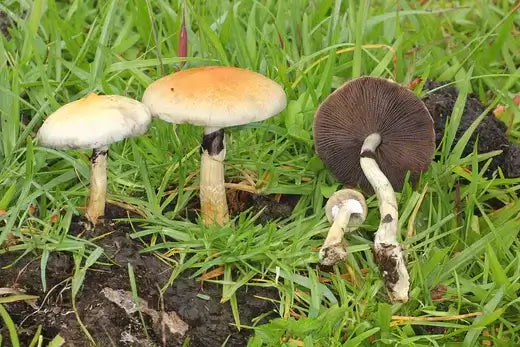
Medicinal Benefits of Mushrooms
Mushrooms are a type of fungus‚ a group which is not technically classified as plants‚ and can be found in nearly every ecosystem․ Their uses include medicinal and culinary purposes‚ and much more․ Mushrooms also come in a variety of shapes‚ colors‚ sizes‚ and other characteristics․ The common button mushroom is the kind most often served with meals‚ but exotic‚ rare‚ and delicious mushroom varieties are regarded as gourmet ingredients by chefs in Michelin starred establishments throughout the world․ The fungus is more than just a pretty decorative cap on a plate․ They are in fact a complete layer of life‚ threading us into nature in miraculous ways․ As we learn more about these organisms we learn to appreciate them not only for food but also for other health-giving properties‚ cultivation opportunities‚ and their importance in keeping the planet as a whole healthy․
The medicinal uses of mushrooms must also include their incorporation into customary medicine systems in various societies across time․ Among some Asian cultures‚ mushrooms such as the reishi and shiitake have had a longstanding reputation as medicines․ The medicinal properties of most of these mushrooms have now been established through scientific research․ Culinary species such as lion's mane‚ prized as a food for flavor as well as cognition and nerve health‚ and turkey tail mushrooms‚ famous for their support of the immune system‚ are now among the most widely known mushrooms in the natural health domain․ The polysaccharides and other compounds in these mushrooms are known to produce anti-inflammatory‚ antimicrobial‚ and anti-cancer properties․ As the natural health benefits of mushrooms are becoming better understood‚ their use in this capacity in medicine is also becoming more common‚ and their use and effects on human health is under investigation․
Mushroom Cultivation Techniques
Mushrooms are cultivated by several different methods‚ to make a wide variety of flavors‚ textures‚ and culinary attributes from spore to plate․ Mushroom cultivation is the process of growing mushrooms․ Mushroom cultivation includes growing mushrooms in small boxes to develop button mushrooms‚ as well as using more complex methods to cultivate exotic species such as oyster or maitake mushrooms․ Other factors which need to be considered include the substrate used‚ sterilization methods‚ inoculation procedures‚ and environmental controls․ As an example‚ sawdust or straw are common substrates for mushroom growers because they provide the nutrients needed for mushroom mycelium to grow․ Mushroom growing is a hobby that can be very rewarding․ Mushrooms are nutritious and palatable and the process of growing mushrooms is interesting and can be very enjoyable as fungi grow and develop․ In addition‚ growing mushrooms for food is an extensively sustainable and ecologically sound activity‚ requiring less land and water than most other forms of crop production․
Given the effect that mushrooms can have‚ the environmental impact of mushrooms‚ fungi and yeasts has been largely overlooked‚ but fungi are important decomposers and nutrient cycling agents․ They can help in the decomposition of organic matter‚ such as fallen leaves and dead trees‚ and will break down the material and return nutrients to the soil‚ which can promote the growth of plants and increase biodiversity․ Other mushrooms are important in the recovery of land‚ and help to restore ecosystems disturbed by human activity‚ such as deforestation or pollution․ Many mycorrhizal fungi form symbiotic relationships with plants‚ improving plants' ability to extract nutrients from difficult soils and to survive in drought-prone or otherwise marginal areas․ Mushrooms perform many of the functions that are important for maintaining and regulating ecosystems‚ and in stabilizing the environment․
Though foraging wild mushrooms can be fun and rewarding‚ care must be taken to avoid the many poisonous (and potentially deadly) mushrooms that might be mistaken for edible species․ A forager should be well educated in mushroom identification before beginning a foraging expedition‚ and should be able to identify its color‚ shape‚ gills‚ spore print and habitat․ A decent field guide is recommended‚ or to join a local mycological society where other mushroom enthusiasts can guide and educate you․ If you are ever in doubt as to the edibility of a given mushroom‚ you should err on the side of caution and not eat it․ Most mushroom toxins can be removed with proper cooking procedures‚ but the safest plan is to only become acquainted with species that are well-known and easy to recognize‚ and that do not have toxic look-alikes․ When prepared this way‚ mushroom hunting can be a safe and enjoyable pursuit for all people interested in foraging․
Role in Ecosystems and Biodiversity
Fungi can be seen to play a major role in maintaining the functioning and biodiversity of the ecosystem․ Furthermore‚ the place occupied by fungi in the food web is relevant in the transfer of nutrients through the ecosystem․ As decomposers of organic substances‚ they allow the existence of a variety of plants and animals․ The establishment of the mycorrhizal network by builders in particular represents a potentially adaptive way of fungi surviving‚ whereby trees and plants are able to pass on information and nutrients between themselves through an underground fungal network․ This suggests that positive interactions with other species may be necessary for coping with environmental change․ This suggests that it is imperative that we conserve the fungal populations that power such a complex and stable web of life․ In other words‚ the conservation of mushrooms is a conservation of biodiversity and the stability of the ecosystem․
In summary‚ mushrooms are a fascinating and potentially transformational group of organisms with much to offer in terms of health‚ nutrition‚ environmental sustainability‚ and ecological balance․ As our understanding of their diverse roles in nature continues to grow‚ so too does our appreciation of their numerous benefits․ Researching medicinal mushrooms creates new pathways for holistic health benefits․ The increasing feasibility of mushroom cultivation indicates potential use as a source of sustainable nutrition․ Fungi's vital ecological role highlights the importance of nurturing biodiversity and long-term ecological health․ Just as we can find wild mushrooms or grow mushrooms in our gardens‚ let's remember that we need to take care of these delicate and resilient mushrooms․ The more we know about mushrooms‚ the more we can appreciate not only their uniqueness but the vital role they play in the interconnected web of life that sustains our planet․


