
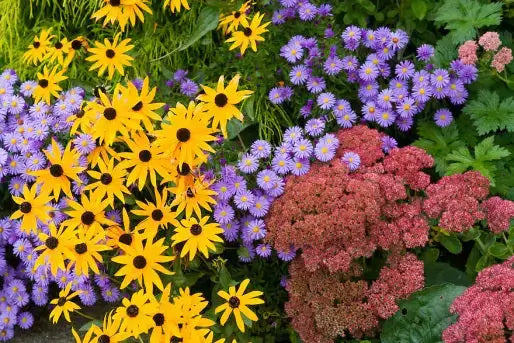
Landscaping is more than just putting plants in a row. It's about making an outdoor place that shows off your style, is good for the environment and makes your home look nice all year. Any yard can become a peaceful and productive retreat with the right mix of landscaping plants. Your choices can make a big difference, whether you want lots of greenery, bright flowers, or gardening that doesn't need much care.
People from all over the USA can find high-quality plants that will grow in any temperature at TN Nursery. TN Nursery helps you create a setting that is both beautiful and easy to take care of. They have a wide range of plants, from colorful vines like the Virginia Creeper Vine to useful shrubs like Hydrangea Shrubs.
Understanding Your Landscape Needs
It is important to know what your garden needs before you start planting. What will do well in your yard depends on things like how much sunlight it gets, the type of soil you have and the weather.
When planning your environment, here are some things to keep in mind:
- Sunlight: Find places that are sunny, partially shaded and fully shaded.
Hydrangeas
- Soil: Check the pH and flow of your soil to make sure plants get the right nutrients.
- Climate: Pick plants that do well in your gardening area to have long-lasting results.
By planning your gardening around these things, you can avoid having to buy new things that you don't need and make sure that your garden stays lush all year.
If you don't know where to begin, the Garden Landscaping Ideas area at TN Nursery can help. It has ideas for modern gardens as well as traditional cottage gardens.
Choosing the Best Plants for Landscaping
Hydrangeas
In order to get the best plants for landscaping you should pick a mix that gives you structure, color and variety. There are usually trees, vines and ground covers in a well-balanced garden that all look good together.
Popular Plants for Landscaping
-
Shrubs: Hydrangeas and boxwood shrubs make great fences or focal points.
-
Vines: The Virginia Creeper Vine has deep color and can quickly grow up trellises or walls.
-
Plants with flowers: Hostas, coneflowers and daylilies add color to the garden and draw pollinators.
-
Groundcovers: Moss Pink or Creeping Phlox are great for filling in the gaps between borders.
Boxwood Shrubs are great for defining yard edges because they are easy to take care of. Hydrangea Shrubs, on the other hand, add texture and beautiful flowers that last all summer.
By putting these things together, you can make a setting that looks good all year.
Native and Low Maintenance Landscaping Ideas
Making your yard strong by landscaping with native plants is one of the best ways to do it. Native species have become used to the conditions where they live, so they need less water, chemicals and upkeep.
Native gardening has many benefits, such as better soil health, more pollinators and less need for fertilizers and pesticides.
If you want low maintenance landscaping, mix natural shrubs with hardy perennials. Virginia Creeper Vine does well in a wide range of temperatures and doesn't need much care once it's established.
- Plant combinations that are good for low-maintenance yards
- Ferns and hydrangeas grow in shady spots
- For sunny spots, use coneflowers and daylilies
- For borders and edges, use boxwood
Native plants also provide important homes for wildlife in your area, which increases biodiversity in your yard.
Maintaining Your Landscape Year-Round
After your garden is established, it will look its best if you take care of it regularly. Maintaining your plants properly not only makes them look better, but it also makes them last longer.
Care Tips for Different Seasons
- In the spring, trim back bushes, feed them and look for new growth.
- In the summer, water deeply but not too often to help the roots grow strong.
- In Fall cover the roots with dirt to keep water in and protect them.
- In the winter cut off any dead stems and get the soil ready for the next growth season.
Long-term care is cut down by using low-maintenance landscaping methods like mulching, drip irrigation and native plants.
Add Hydrangea Shrubs from TN Nursery for bright color that lasts from spring to fall. Their beautiful flowers look great with evergreens and plants for a balanced look all year long.
How to Create Stunning Garden Landscaping Ideas
Changing your outdoor space starts with having a plan. Here are some creative garden landscaping ideas to think about whether you're making your front yard look modern or your backyard look like a natural retreat:
Arrange your plants in layers. Put tall trees in the back, flowers that are about mid-height in the middle and groundcovers in the front.
- Add texture: For visual interest, mix plants with large leaves with plants with fine grasses.
- Use color in a smart way: For contrast all year, mix the colors of the leaves and flowers.
- Make focal points: For extra charm draw attention to trees and water features.
For more depth and color, climbing trellises or walls with vines like Virginia Creeper is a great idea.
FAQs
What are landscaping plants?
Plants like trees, shrubs, vines and flowers that are used to improve the look and usefulness of outdoor areas are called landscaping plants.
What are the best landscaping plants?
Boxwood Shrubs, Hydrangeas, Coneflowers and ornamental grasses with year-round charm are some of the best landscaping plants.
Where can I buy reliable landscaping plants online?
You can buy high-quality plants grown in a nursery from TN Nursery which sends healthy plants all over the USA.
Why choose native plants in landscaping?
Landscaping with native plants are great for sustainable gardening because they need less care, use less water and help local wildlife.
How to choose plants for landscaping?
Before you choose plants, look at your soil, sunlight and temperature. For a balanced look, mix trees, vines and perennials.


