
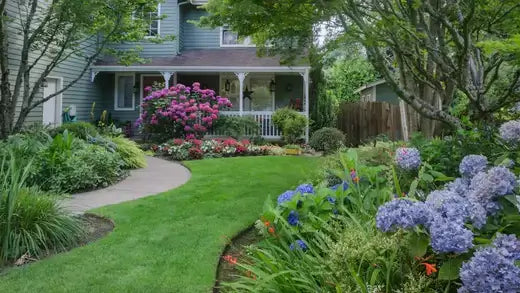
The lawn is one of many garden ground covers but it is unique among them in that its colors and textures can be combined in nearly infinite combinations‚ giving the home and garden owner a taste of nature's beauty․ Homeowners are attracted to these properties not only for their beauty but also for their functionality․ By implementing modern technology these homeowners maintain much more than just their lawns․ The following essay will examine ten creative lawn care and landscaping ideas that make the ideal outdoor living space vibrant and sustainable year-round․
Mulching Your Lawn
One of the quickest and most effective ways to improve the overall look and health of the grass and plants is by mulching․ Mulching entails placing a layer of organic or synthetic material on the soil surface around a plant or tree․ Mulch suppresses weed growth‚ conserves soil moisture‚ helps prevent soil temperature extremes‚ and‚ as it breaks down‚ improves soil structure․ Organic mulches such as shredded bark‚ straw‚ grass clippings and other organic materials also attract and promote earthworms and other organisms that improve soils․ Mulch can serve the flowerbeds and trees by making the yard look more presentable․ If homeowners take the time to mulch properly‚ their yard can be a good-looking and environmentally appropriate place at the same time․
Flower bed borders are another way to delineate the areas of a garden and to give them a special character․ It can act as a focal point‚ and planned correctly‚ can help organize the colors and heights of the plants used․ Consider combining perennial flowers with shrubs and ornamental grasses to bring continual interest over the year․ If they are to be arranged in a border‚ consider whether you prefer the crisp modernity of a geometrically straight border‚ or the informality of a rustic cottage garden layout․ Edging is the use of stone‚ brick‚ or wood to create a border between flowerbeds and lawns․ It prevents grass from spreading into the flowerbed and helps prevent the mower from running over the flowers․ In addition to a border‚ flowerbed edges also help to add character and interest to the garden year-round․
Native Plants In Your Lawn
By integrating native plants into your landscape‚ you can provide habitat to support and improve biodiversity and reduce effort required to maintain your garden․ Native plants are already adapted to the growing conditions in your region‚ and are generally more resistant to pests and disease․ Because of their natural hardiness‚ the majority of native plants will require less water and fertilizer and can be a good starting point for gardening in an environmentally sustainable manner․ Also‚ gardeners are encouraged to plant a variety of native plants in order to attract bees and butterflies․ These plants are low maintenance‚ provide interest to your home's landscape‚ and highlight the flora of your region․ If a homeowner embraces the use of native plants‚ they will be rewarded with a garden requiring less maintenance while making a positive contribution to conservation efforts in their area․
Hardscaping is a key landscaping addition that consists of non-plant features․ These may include patios‚ walkways‚ retaining walls‚ decorative stones‚ or other structures that complement a landscaped area․ These structures create areas for entertainment and relaxation‚ or make it easier for you to get around your yard․ An example would be a nicely designed stone path cutting through a green garden or a deck or patio for your friends․ Hardscaping materials that are similar in look to those found in the natural environment around them help the transition into the landscape and soften the effect of hardscaping․ When hardscaping is done as a functional and aesthetic enhancement‚ outdoor spaces can be more useful and a yard can be an attractive place to be․
Watering Systems For Your Lawn
Watering systems are helpful for the health of many lawns and gardens‚ especially in places that experience droughts․ With a watering system‚ a homeowner can give their plants‚ trees‚ and shrubs the water they need to thrive‚ without wasting water․ Drip irrigation systems deliver water directly to the roots of plants and have little evaporation or runoff․ A timer or moisture sensor may be incorporated into a system to adjust for current weather conditions․ An efficient and even watering system is essential to the successful maintenance of a dense green lawn․ It will save water in dry periods‚ which is even more important in times of environmental awareness․ A better watering system with less work means a more effective and beautiful garden․
In conclusion‚ lawn care and landscaping techniques comprise a wide variety of concepts and skills‚ which help to create an aesthetically pleasing appearance for the home or outdoor area‚ and support the overall condition and health of the garden or yard․ Mulch‚ native plants‚ flower bed borders‚ hardscaping and watering systems‚ all contribute to a sustainable‚ beautiful landscape․ Mulch helps plants to grow‚ native plants provide a local ecosystem for wildlife‚ flower bed borders separate plantings for a neat look‚ hardscaping is hard landscaping to provide structure and function‚ and watering systems reduce waste․ All of these ideas can be easily adjusted to your own preferences and your own outdoor space‚ creating an oasis to relax and rejuvenate for yourself and the environment around you․


