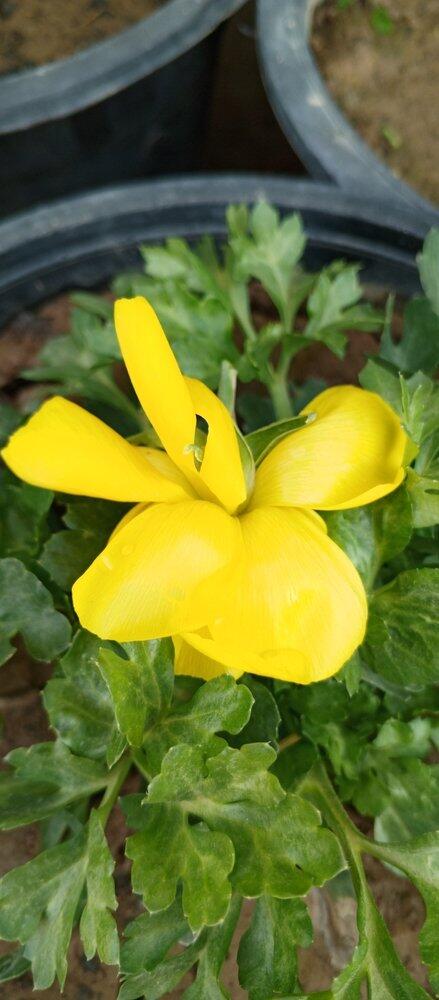
Celandine Poppy For Sale
Celandine Poppy (Stylophorum Diphyllum) is a native perennial plant that will bring a lot of sunshine to your garden with its bright yellow flowers. It is an herbaceous plant that blooms in the springtime. When planted in partial to full shade, it will perform well in your garden.
It is best planted in a location with dappled sunshine that is out of heavy afternoon sun. Its bright yellow flowers will brighten any dark corner, border, formal, or woodland garden. It is a unique choice for a container garden.

Wood Poppy Plant Details
Family: Papaveraceae
Light Requirement: Part Shade
Water Needs: Moderate
Height: 1 – 2 ft.
Spread: 1 ft.
Growth Rate: Fast
Bloom Time: Spring
Flower Color: Yellow
Wildlife Value: Attracts bees
Landscape Uses and Maintenance
Celandine Poppy is a low-maintenance plant that is great for any garden. Beautiful, bright yellow flowers complement its unique blue blue-green foliage that will gracefully sway in the breeze. Leaves are uniquely and deeply lobed, making them
“Wood,” you believe how good this plant looks? It is a lovely choice in your garden, especially with other spring perennials, including Bloodroot and Bleeding Heart.
This is a hardy and fast-growing plant without many frills attached. It will naturalize easily in an area over time, creating a lovely carpet of gold in your understory. Attractive to bees and butterflies, you will see many pollinators visiting your new flowers.
Noteworthy Characteristics of Wood Poppy
Celandine Poppy has fine white hairs that cover certain parts of this plant, including the underside of the leaves.
Celandine Poppy will bloom twice a year – once in the spring and once in the fall — if given the right conditions. Do not cut back the leaves after the first bloom.

Customer Reviews
Nice bare roots. Shipped quickly.
This plant is doing amazing! It settled in quickly and now has such cheerful blooms. Couldn’t be happier.
I wanted something low maintenance and natural, and this poppy is perfect. Healthy, vibrant, and easy to grow.
These arrived fresh and in excellent condition. Within weeks they were blooming and brightening up my yard.
Plant arrived in good condition and is steadily growing. Not the biggest yet, but seems strong and healthy.
Where to plant celandine poppies?
Celandine Poppies grow best in partial to full shade with moist, well-drained soil. They thrive under trees or in woodland gardens where the soil stays cool and rich. Their bright yellow blooms add cheerful color to shaded areas in spring and early summer.
What is the best month to plant celandine poppies?
Celandine Poppies are best planted in early spring or fall. These cooler months give their roots time to establish before summer heat or winter cold. Once planted, they quickly adapt and reward you with bright yellow blooms each spring.
Will poppies grow back every year?
Yes, many poppies, including Celandine and Oriental varieties, grow back every year as hardy perennials. They return each spring with fresh foliage and vibrant blooms. Once established, they spread gently, adding lasting color to gardens year after year.
Exposure
Wood Poppy (Stylophorum diphyllum) thrives in partial to full shade, preferring dappled sunlight or areas with filtered light. It naturally grows in woodland settings, making it an excellent choice for shaded garden areas with moist, well-drained soil.
Height at Maturity
Under 12"
Usage
Shade Plant
Shipped As
Bare-root
Ships
USPS
Planting Zones
4-9
How To Grow
How to Grow and Care for Bare Root Perennials, Tubers, and Bulbs
Bare root perennials, tubers, and bulbs are an easy and economical way to jumpstart your garden with lasting beauty. These dormant plants should be planted in early spring or fall while the soil is cool and workable. Before planting, soak bare roots in water for 1–2 hours to rehydrate them. Choose a location based on the plant’s light needs—most flowering types prefer full sun, while others thrive in partial shade.
For bare root perennials, dig a shallow hole and spread the roots out naturally, ensuring the crown is level with the soil surface. For tubers and bulbs, plant with the pointed side facing up at a depth about two to three times their height. Cover with soil, gently press down, and water thoroughly.
Keep soil consistently moist (not soggy) until new growth appears. Add mulch to retain moisture and suppress weeds, but avoid covering the crown or bulb tops. Once established, these plants require little maintenance—just seasonal watering, occasional dividing, and deadheading or pruning as needed. With proper care, they’ll return and thrive year after year.