Pamela Murphy
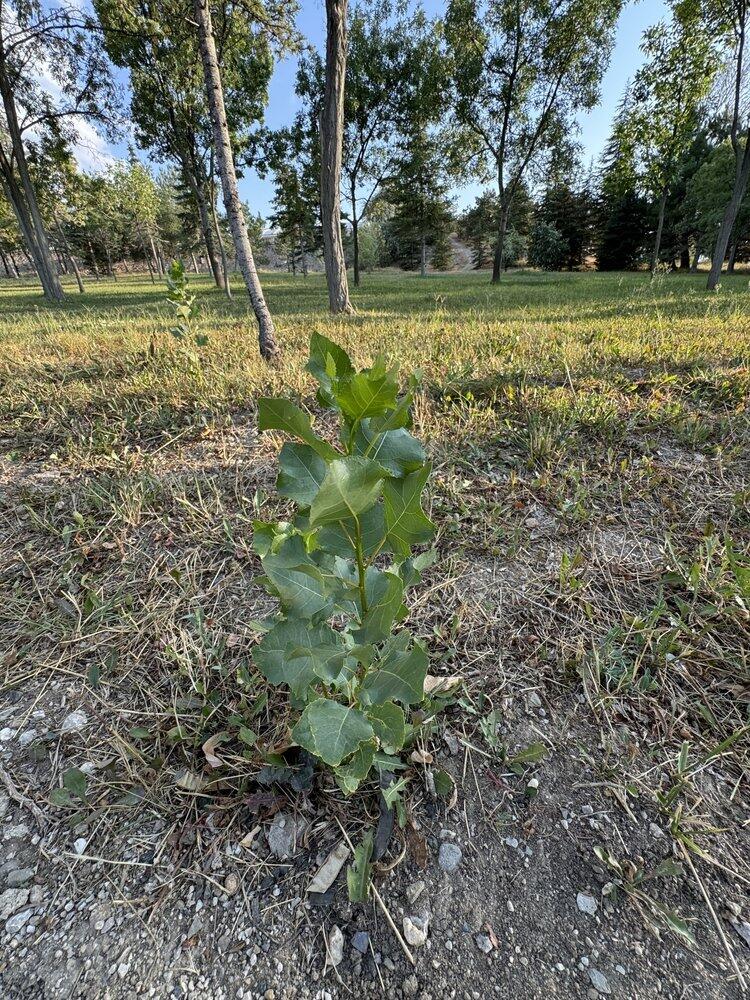
When I received them, the root protectors were still damp. They are planted and, hopefully, I’ll be seeing green leaflets soon.

Tulip Tree
Ships Between November 15-29
4-9
Over 25 Feet
Low
Full sun
May through June
Tulip Poplar trees thrive in well-drained soil with regular watering, especially during dry spells. They benefit from occasional fertilization in spring. Trim in winter or early spring to preserve shape and remove dead or damaged branches.
The Tulip Poplar Tree thrives in complete sun to partial shade. It favors at least six hours of direct sunlight daily for optimal growth. While it can tolerate shade, complete sun encourages the best development and vibrant foliage.
Versatile & low maintenance , Wildlife habitat & ornamental beauty, Erosion control & medicinal properties
Pamela Murphy
When I received them, the root protectors were still damp. They are planted and, hopefully, I’ll be seeing green leaflets soon.
zemuly sanders
Love it!
Michael Bolt
very dormant on arrival. Have to wait to see it it lives... followed instructions for planting.
About this plant
Liriodendron tulipifera‚ sometimes called tulip tree‚ is a large deciduous tree; a widely grown ornamental‚ valued by woodland lovers and landscape gardeners for its unique beauty․ It is found in Eastern North America and grows well in most areas in the U․S․ it is a fast growing tree‚ reaching 100 feet (30 m)․ The name tree comes from the flower's resemblance to the tulip shape․ The flower blooms late spring to early summer and is yellow with orange and green․ However‚ the tree has many more characteristics that make it ecologically important․ With its beauty of flower‚ the changes of foliage with the seasons‚ the place it occupies culturally‚ and its uses to which it lends itself‚ it can be seen that the R․ P․ would have a prominent place in our gardens․
The bright green leaves of the tulip tree are full grown in the spring‚ providing much needed shade cover during the summer months‚ and the leaves will turn color in autumn․ The tree's most distinctive feature is its flowers which are similar in color and shape to tulips․ They are usually a bright yellow or light green color and sway in the wind․ As summer concludes and autumn arrives‚ tree leaves turn golden-yellow․ In a dull autumn day‚ a tree with full golden-yellow foliage is a splendid sight for the eyes․ It can be so beautiful that people may stop underneath its branches to watch the last breath of nature move․ In winter you can read the snow between its bare trees‚ and the lines which make up its branches can be watched against a hard sky‚ and may not this be beautiful?
The tree has huge cultural‚ mythological and historical importance in America․ The tulip tree was revered by Native Americans‚ who used the trees' wood to carve canoes‚ sculptures‚ tools and utensils long before the arrival of European settlers‚ and the tree has continued to be a vital part of American history․ The tree has been recognized as a desirable tree since colonial times‚ when early settlers discovered that it made strong‚ light lumber for constructing buildings and furniture․ Now‚ the tree is grown for its beauty and longevity․ Another use for the tulip tree is as part of memorials in parks and gardens‚ or for commemorating special occasions‚ or in remembering deceased members of staff․ The tulip tree has long been associated with human history‚ and symbolizes a close and harmonious relationship with nature․
Its height is an asset giving height to the composition of a large parkland or garden: it is a useful element of contrast and a natural point of interest in the vertical dimension of a landscape design․ Gardeners appreciate the tulip tree for its ability to grow in a wide variety of soils‚ resistance to many pathogens and species of pests‚ and relative ease of care in comparison to other ornamental trees․ The canopy of the tree also provides shade for smaller plants‚ including seedlings․ This would be difficult for many small plants to do‚ since they would be exposed to full sunlight all day without the shelter of the leaves․ Aside from this‚ the tree is also a habitat for birds‚ insects‚ and small animals․
It is often used in public and private gardens as a setting where people can go and relax‚ and appreciate the beauty of nature․ Because of the shade that it provides‚ the tree can be used in a heat island effect for shade along a road or in a park setting‚ particularly where people could sit on benches․ The tall‚ narrow form of the tree may also be useful as a windbreak or privacy screen․ Landscape designers often use tulip tree in naturalistic plantings‚ where it is allowed to mix with a group of other naturalized native plants‚ creating an attractive plant community effect․ It is a particularly rewarding component of a landscape design because of its flower display at the end of the season‚ providing a welcome eye-catching display when other more flamboyant plants have completed their season․
its seasonal display of color‚ its cultural importance‚ and its practical use in landscaping have made the tree a common landscape feature and a symbol of humanity's relationship with the earth․ When we have planted and dedicated this most beautiful tree‚ we shall not only have beautified our surroundings‚ but also improved our environment․ Throughout the year the tulip tree shall remind us of the beautiful change of the seasons‚ of the beauty of nature‚ and of our place in this wonderful world․

Since 1959, TN Nursery has grown and shipped quality bare root plants nationwide. Shipped during dormancy, bare-root plants develop strong root systems and establish quickly. Our experienced team carefully harvests and packages every order, providing growers with trusted plants backed by over 65 years of nursery experience.
Learn More About
Bare root trees
Stunning Aesthetic:
Vibrant green leaves turn brilliant yellow in fall, offering seasonal beauty.
Rapid Growth:
Reaches up to 70 feet quickly, enhancing landscapes in just a few decades.
Hardy and Resilient:
Thrives in various soil types and conditions with minimal maintenance.
Ample Shade:
Provides a cool, comfortable outdoor space with its expansive canopy.
Fall Digging
Spring Digging
Packing Orders
Customer Unboxing Video
My Tulip Poplar tree is growing well. Thank you TN Nursery!
The Tulip Poplar Tree was exceptionally robust with a strong trunk and perfectly hydrated roots. TN Nursery clearly takes pride in delivering superior-quality trees every time.
TN Nursery shipped me a Tulip Poplar Tree that was both vigorous and stunning. It was lush, easy to plant, and instantly became the highlight of my property.
The Tulip Poplar Tree was in pristine condition when it arrived. TN Nursery carefully packaged it, and within just a couple of weeks, it adapted beautifully to my yard.
I couldn’t believe how beautiful my Tulip Poplar Tree looked upon arrival. The branches were strong, the leaves rich, and TN Nursery delivered exactly what I hoped for.
The Tulip Poplar Tree from TN Nursery was nurtured to perfection. Its foliage was full, the roots were moist and firm, and it’s already showing vigorous new growth in my landscape.
I was amazed by the size and strength of the Tulip Poplar Tree I received. The trunk was straight, the foliage was healthy, and TN Nursery shipped it right on time. Truly a flawless experience.
The Tulip Poplar Tree I purchased arrived in excellent shape with vibrant green leaves and a solid root ball. TN Nursery packaged it with care, and it established quickly in my backyard soil.
When I received them, the root protectors were still damp. They are planted and, hopefully, I’ll be seeing green leaflets soon.
Love it!
Three are very well rooted but I’m only worried about one. If I lose one that’s okay I just thought I’d share that.
very dormant on arrival. Have to wait to see it it lives... followed instructions for planting.
Recently bought 4 redwoods and 4 sugar maples along with an assortment of fruit trees. They come very well packaged and very easily plantable. I put them in pots straight away and once they get bigger will transplant them into the ground. They all came with green leaves and obviously alive. Soo excited to see how they grow.
Tulip Tree
well this tree had a good roots and strong stem now let her grow
It's perfectly deliver and perfect size!
Trees arrived in excellent condition. I ordered 4, but received 5! Can’t wait until Spring to watch these babies grow!
Looks very healthy. Just planted. Will give better review when it gets leaves and blooms.
Received two great looking bareroot trees....cant wait to plant them?
Could have had more soil on roots
The tree quality was exceptional.
3-4’ bare root, have yet to see if it’ll take or not but it seems like it arrived alive and healthy.
Tulip Tree
Looked good when they arrived , planted that day.
Tulip Tree
It took a couple of weeks, but maybe rather than time, it is the warmer recent (65-80*F) temperatures, or maybe it is a combo of both, but healthy leaves have emerged. Thank you TN Nursery
Our trees arrived quickly, healthy and ready to plant. Trees were well packaged and true to size (3-4') as advertised. We are anxiously awaiting new leaves to burst out. TN Nursery customer service is on point! We've already placed a second order we are so pleased with product and service.
There was a concern as there was not much root on the tree. Planted it in moist soil and covered well to prevent freezing.
We also ordered 3 loblolly pine trees at the beginning of September and have heard nothing about when they will be shipped.
Trees arrived in good condition and taller than I expected. Thank you!!
The trees I got were bare root, but were packaged very well and were even showing signs of being ready to bud. I was very happy with what I bought
An amazing slim yet hard specie that provided a good accent around my lawn. I had this years ago and placing more orders to line up in my farmtown.
Tree came in good shape with a bloom at the top and some green sprouts down the trunk.