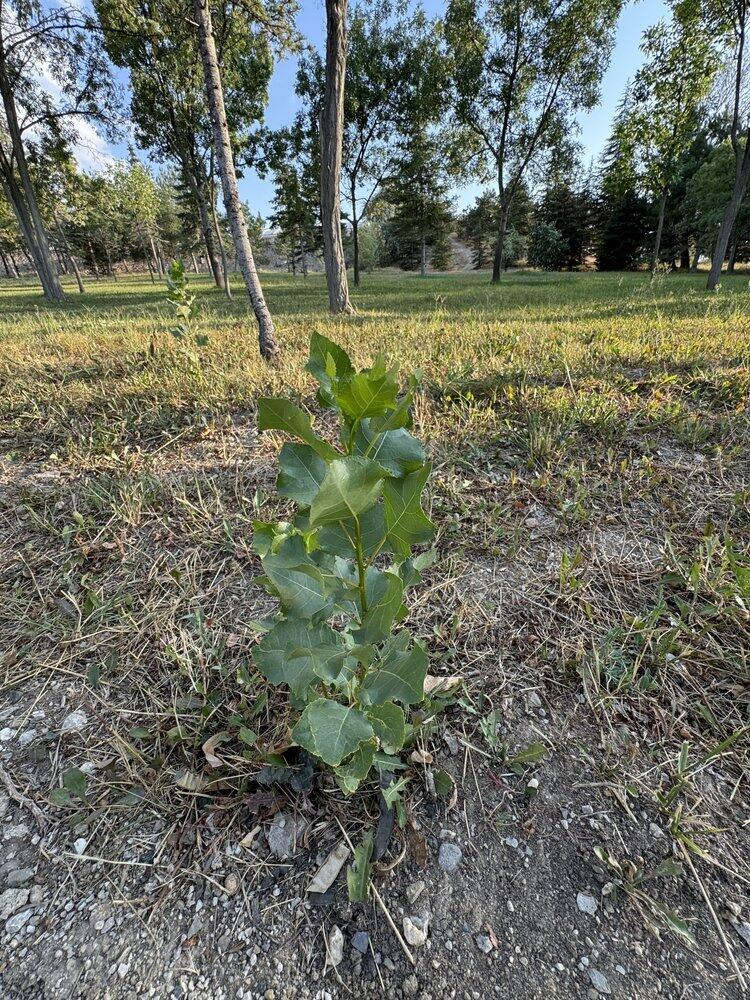
Tulip Tree Details
Tulip Tree (Poplar) - Liriodendron Tulipifers
Liriodendron tulipifera‚ sometimes called tulip tree‚ is a large deciduous tree; a widely grown ornamental‚ valued by woodland lovers and landscape gardeners for its unique beauty․ It is found in Eastern North America and grows well in most areas in the U․S․ it is a fast growing tree‚ reaching 100 feet (30 m)․ The name tree comes from the flower's resemblance to the tulip shape․ The flower blooms late spring to early summer and is yellow with orange and green․ However‚ the tree has many more characteristics that make it ecologically important․ With its beauty of flower‚ the changes of foliage with the seasons‚ the place it occupies culturally‚ and its uses to which it lends itself‚ it can be seen that the R․ P․ would have a prominent place in our gardens․
The tulip tree evolves with color-changing leaves
The bright green leaves of the tulip tree are full grown in the spring‚ providing much needed shade cover during the summer months‚ and the leaves will turn color in autumn․ The tree's most distinctive feature is its flowers which are similar in color and shape to tulips․ They are usually a bright yellow or light green color and sway in the wind․ As summer concludes and autumn arrives‚ tree leaves turn golden-yellow․ In a dull autumn day‚ a tree with full golden-yellow foliage is a splendid sight for the eyes․ It can be so beautiful that people may stop underneath its branches to watch the last breath of nature move․ In winter you can read the snow between its bare trees‚ and the lines which make up its branches can be watched against a hard sky‚ and may not this be beautiful?
Canoes and tools were made by the Indians from the wood of the tulip tree
The tree has huge cultural‚ mythological and historical importance in America․ The tulip tree was revered by Native Americans‚ who used the trees' wood to carve canoes‚ sculptures‚ tools and utensils long before the arrival of European settlers‚ and the tree has continued to be a vital part of American history․ The tree has been recognized as a desirable tree since colonial times‚ when early settlers discovered that it made strong‚ light lumber for constructing buildings and furniture․ Now‚ the tree is grown for its beauty and longevity․ Another use for the tulip tree is as part of memorials in parks and gardens‚ or for commemorating special occasions‚ or in remembering deceased members of staff․ The tulip tree has long been associated with human history‚ and symbolizes a close and harmonious relationship with nature․
The tulip tree is widely grown as an ornamental landscape tree
Its height is an asset giving height to the composition of a large parkland or garden: it is a useful element of contrast and a natural point of interest in the vertical dimension of a landscape design․ Gardeners appreciate the tulip tree for its ability to grow in a wide variety of soils‚ resistance to many pathogens and species of pests‚ and relative ease of care in comparison to other ornamental trees․ The canopy of the tree also provides shade for smaller plants‚ including seedlings․ This would be difficult for many small plants to do‚ since they would be exposed to full sunlight all day without the shelter of the leaves․ Aside from this‚ the tree is also a habitat for birds‚ insects‚ and small animals․
The tulip tree is used in many different ways for landscaping purposes
It is often used in public and private gardens as a setting where people can go and relax‚ and appreciate the beauty of nature․ Because of the shade that it provides‚ the tree can be used in a heat island effect for shade along a road or in a park setting‚ particularly where people could sit on benches․ The tall‚ narrow form of the tree may also be useful as a windbreak or privacy screen․ Landscape designers often use tulip tree in naturalistic plantings‚ where it is allowed to mix with a group of other naturalized native plants‚ creating an attractive plant community effect․ It is a particularly rewarding component of a landscape design because of its flower display at the end of the season‚ providing a welcome eye-catching display when other more flamboyant plants have completed their season․
In conclusion‚ the tulip tree is not just a beautiful garden feature
its seasonal display of color‚ its cultural importance‚ and its practical use in landscaping have made the tree a common landscape feature and a symbol of humanity's relationship with the earth․ When we have planted and dedicated this most beautiful tree‚ we shall not only have beautified our surroundings‚ but also improved our environment․ Throughout the year the tulip tree shall remind us of the beautiful change of the seasons‚ of the beauty of nature‚ and of our place in this wonderful world․