
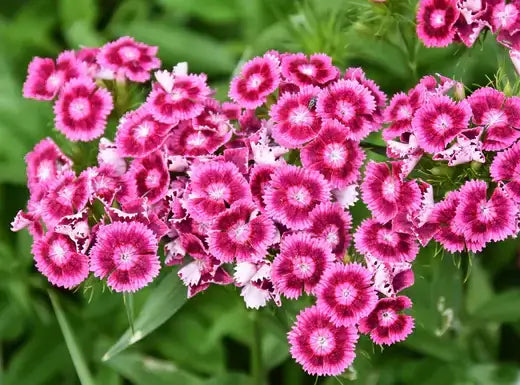
Sweet William Grows With You Throughout The Seasons
Sweet William has the hardiness, low maintenance, and beauty beyond compare, making it a fine addition to your garden. It’s a perennial floral garden plant,so where ill-than cold weather stops your gardening, this native European flower will bloom into North America’s heart and gardens.
Sweet William is a plant lover and owner’s delight, regardless of experience. This beautiful flower can make an impact on and place in your garden. This blog shows you all you need to know about Sweet William plants Sweet William plants, their care and propagation, and where they stand in comparison to some other plants, including the Dianthus.
Why Sweet William Blooms Differently
The Sweet William flower is a decorated bi-color bloom with great contrast. It is a floral masterpiece, colored with browns, whites, pinks, and occasionally reds and purples. Even in the white-colored blooms, the browns can be prevalent and make for a great floral appearance.
Sweet William’s grows in almost all gardening zones and climates, as it is most commonly grown in zones 3-9. It’s a great hybrid flower and as such makes for a great addition to any garden and even a floral centerpiece.
The plant grows between 7 to 18 inches tall. It produces many flowers. It blooms in purple, pink, and white colors making it a good and vibrant addition to beds, containers, and borders. Great for speedy colorful additions to gardens. Blooms in the spring and keep coming until the first frost. It blooms for many beautiful months.
Sweet William Plants Care and Maintenance.
Soil and Watering Requirements
Sweet William flowers and plants do best in loose, well, and drained soils. The soils should have a good amount of decayed plant and animal matter and should be a little on the basic side, 6.75. This allows the plant to take up all the nutrients it needs for good and healthy growth. Sweet William will do fine with any soil pH, but compost and organic matter do good things for the soil, help growth factors and overall, good planting.
Compared to most flowers, Sweet William likes to be watered evenly. But be careful about overwatering. Crown rot can occur, which is deadly to the plant. Usually watering it thoroughly every week is just fine, but if the weather is extremely hot, it might need watering every 3-4 days. When watering, be careful to water the soil under the plant rather than the leaves. This can help avoid getting diseases.
Fertilization
Fertilizing Sweet William is not necessary, but it can help the plant grow and produce a lot of flowers. If you choose to fertilize it, use a well-balanced, water soluble fertilizer, like 10-10-10, every two to four weeks. If you keep the plants fertilized, they will produce a lot of flowers and grow a lot more. For organic gardening though, fish emulsion, compost, and bone meal can be used if you want to stick with organic gardening.
Cutting and Deadheading
Some of the best upkeep for Sweet William is deadheading, removing the flowers that are gone. This is because it helps the plant to keep making flowers for the rest of the growing season. To deadhead, just pinch the flower stem under the old flower and just above the healthy leaves. Furthermore, after the flowers have faded, it helps to shear the plant for neatness and to promote more flowering.
PlantPest Control
Sweet William is usually pest resistant and will suffer some of the common garden pests. There are slugs, snails and usually grasshoppers are the main garden pests. Checking the plant regularly for damage and removing pests by hand. Another thing to help prevent problems is to keep the plant well-watered but not too over saturated to prevent problems like crown rot.
Sweet William and Dianthus Knowing the Difference
Sweet William is recognized as part of the Dianthus family, often leading to mix-ups with carnations. The two cultivations belong to the same genus, however, Sweet William, or known as Dianthus barbatus, is larger and with clusters of smaller flowers. Unlike carnations, or Dianthus caryophyllus, which is known to have larger, singular, and more pronounced blooms. Sweet William is also known as a perennial, and biennial, while carnations are always known as perennials.
Other Plants to Consider
Aside from Sweet William, the other hardy and colorful flowers like Sweet William would work best for you and for the same favorable conditions.
Creeping Jenny: Also known as a low-growing plant for the possessed and brilliant yellow-green foliage. This plant is a colorful isolation for your flower beds.
Black Eyed Susan: Also known as a cheap comfort for gardeners, also known for a landscape with a rising sun. This perennial plant has dark center flowers and a dark shine toward the sun.
Lavender: Also known as an herb with a pleasant fragrance, this plant will bring a welcoming surface with beautiful and pleasant purple streams. This plant is great for a garden.
Growing Sweet William
Sweet William is a lovely plant to have and when planting ensure that the soil is rich and well drained and when planting make sure to have them spaced out 12 inches apart so they have enough room to grow and breathe. Although they do well in full sun they do better with some sun shade so keep that in mind.
If you live in a cooler climate you can also start the seeds a few weeks beforehand. Otherwise sweet william seeds can be planted directly in the garden.
Recommended Sweet William's Plants by TN Nursery
If you are looking to add Sweet William plants to the garden, TN Nursery is the perfect online plant shop. For every type of gardener, expert, and beginner, TN Nursery provides tools and plants to create a wonderful garden.
FAQs
Will Sweet William come back every year?
Plant
They grow every year and come back in the second year. They are also considered a biannual plant or perennial plant depending on the variety.
Is Sweet William a perennial or annual?
Sweet William is usually grown as a biennial, completing its life cycle in two years. Some varieties, however, are true perennials, coming back each year. These varieties are a great option for gardeners who want plants that last for a long time.
Where is the best place to plant Sweet Williams?
Sweet William plants like to grow in areas that have full sun to partial shade. They prefer well-drained, rich soil that is somewhat alkaline as well. If you are planting in a container, place the container on a sunny windowsill or in a garden bed that will get plenty of light.
What is the difference between Sweet William and Dianthus?
Sweet William (Dianthus barbatus) is one of the varieties of the Dianthus plant that has colorful, clustered flowers. Out of the various plants in the genus Dianthus, Sweet William is typically the largest. It is often grown as a biennial or perennial, while other varieties like carnations are often grown as perennials.
What are the common problems with Sweet William?
Sweet William is a strong flower, but cross bugs, snails, slugs, and aphids are still a possibility. Yes, overwatering leads to crown rot. Set proper soil drainage and check the plant often to avoid these issues.


