Sourwood Tree Details
Sourwood Tree - Oxydendrum Arboreum
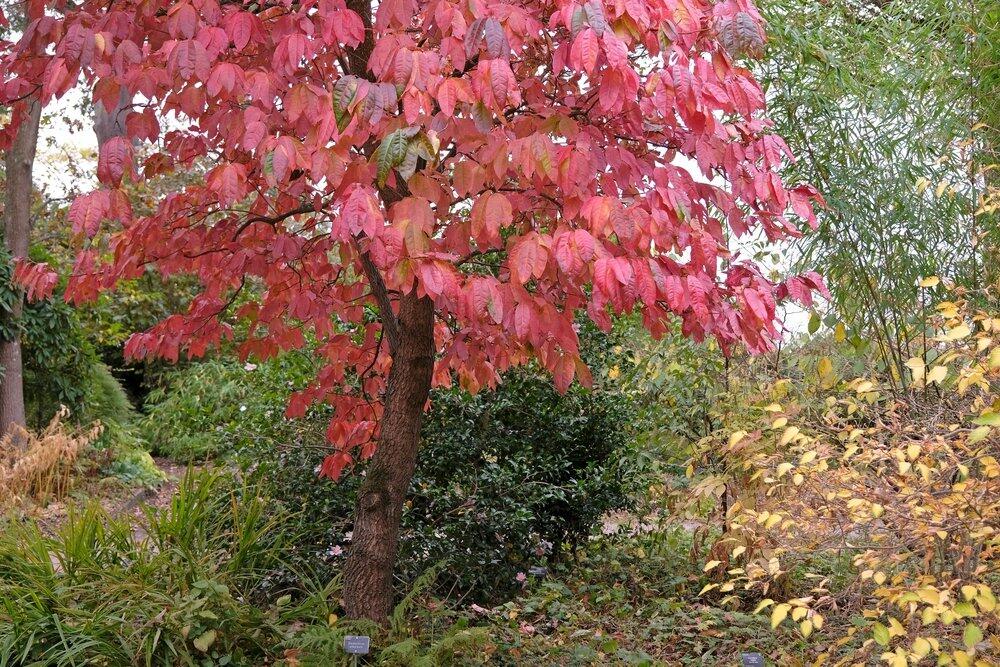
The Sourwood Tree is a stunning, deciduous, and ornamental tree that will dazzle you in the fall with its uniquely long, red leaves. The bark of this tree is gray-brown in color, with ridges. Its green leaves provide an excellent backdrop for its fragrant white flowers. Its ornamental flowers resemble those of the Lily of the Valley, giving it another common name, the Lily of the Valley Tree. It is a native deciduous tree that will be a wildlife haven in your yard. In the fall, the changing autumnal colors bring a brilliant, bold display of red leaves.
Landscape Uses and Maintenance
This tree is excellent in a woodland garden or as a choice specimen in a landscape. Plant this tree in an area that receives full sun to partial shade. It will have the best fall color if planted in full sun. Avoid planting this tree in a location with full shade.
Sourwood Tree needs moist soil. Ensure thorough watering until the plant is well established. Add a layer of mulch, compost, or humus around the base of this tree to increase the organic matter in the soil. As a member of the heath family, this tree will need to be planted in acidic soil to thrive. Have more alkaline soil? You can add iron or iron sulfate to the soil to make it more acidic.
Its flowers are nectar-filled and attract bees. The honey from these bees is a warm amber in color. This tree also has fruits that are attractive to wildlife, including small mammals and birds.
Noteworthy Characteristics of the Sourwood Tree
The Sourwood Tree is a host plant for the Lettered Sphinx butterfly and many others.TN Nursery offers native trees at affordable prices, and we frequently run a buy one, get one free sale.
Q: What makes the Sourwood Tree special?
A: Sourwood Trees stand out for their elegant drooping white summer flowers and brilliant red fall foliage. They add four-season interest and bring a truly native woodland charm to any landscape. Their nectar is also famous for producing the highly prized Sourwood honey.
Q: Where do Sourwood Trees grow best?
A: They thrive in well-drained, acidic soils and prefer full sun to partial shade. While they grow naturally in the Appalachian region, they adapt well to many Eastern and Southern landscapes when planted in the right soil conditions.
Q: How fast do Sourwood Trees grow?
A: They grow at a slow to moderate pace. They reward patience with exceptional color, clean structure, and long-term landscape value that continues to improve as the tree matures.
Q: Do Sourwood Trees attract pollinators?
A: Yes. Their midsummer blooms are a magnet for bees, butterflies, and beneficial insects. They’re an excellent choice if you want to support pollinators while elevating the beauty of your garden.
Q: Are Sourwood Trees low maintenance?
A: Very. Once established, they require little more than occasional watering during prolonged periods of dryness. They naturally keep a tidy shape and rarely need pruning.
Q: How tall do Sourwood Trees get?
A: Most mature Sourwoods reach 20–30 feet, making them an ideal mid-sized ornamental tree for yards, woodland edges, and naturalized plantings.
Q: Do Sourwood Trees provide fall color?
A: Absolutely. They are renowned for producing some of the most vibrant reds and burgundies of any native tree. Its fall display is one of its most substantial landscape benefits.
Q: Can Sourwood Trees tolerate clay or alkaline soil?
A: Not well. Sourwoods prefer acidic, loose, well-drained soils. If you have clay or alkaline ground, amending the planting area with organic matter and planting slightly elevated can help.