Red Crepe Myrtle Details
Red Crepe Myrtle - Lagerstroemia Indica
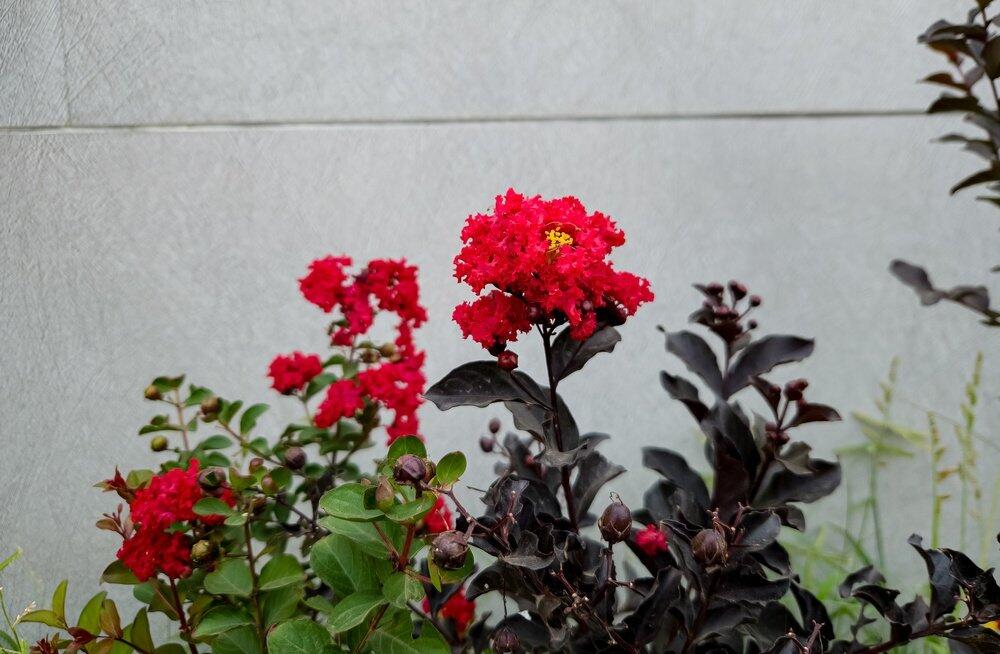
Lagerstroemia indica, commonly called red crepe myrtle, is grown for its rich red flowers, attractive form, and ornamental bark. This flowering tree stands out for its deep red summer bloom color, offering a bold look that sets it apart in the landscape. The blossoms appear in crinkled clusters that rise above the foliage and draw attention through the warm season.
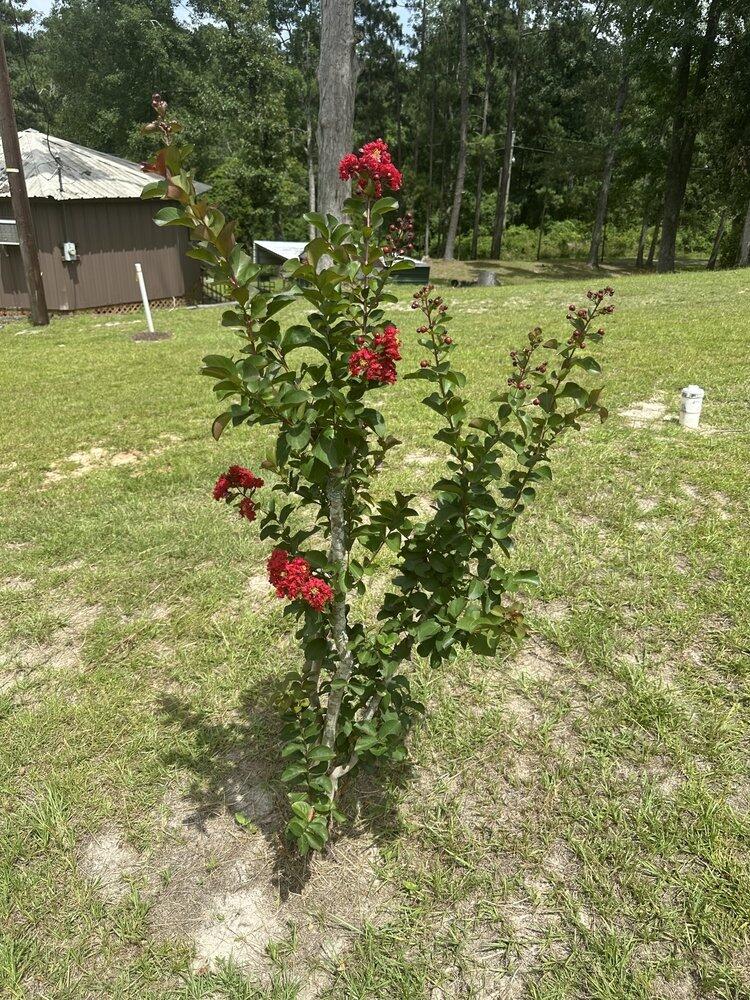
Red crepe myrtle is a sturdy species from East Asia valued for both beauty and hardiness. It develops a straight trunk and well-shaped branching, eventually reaching about twenty to thirty feet tall. Its peeling bark adds texture and visual interest even when the tree is out of bloom, giving it value beyond the flowering season.
Red Crepe Myrtle in the Landscape
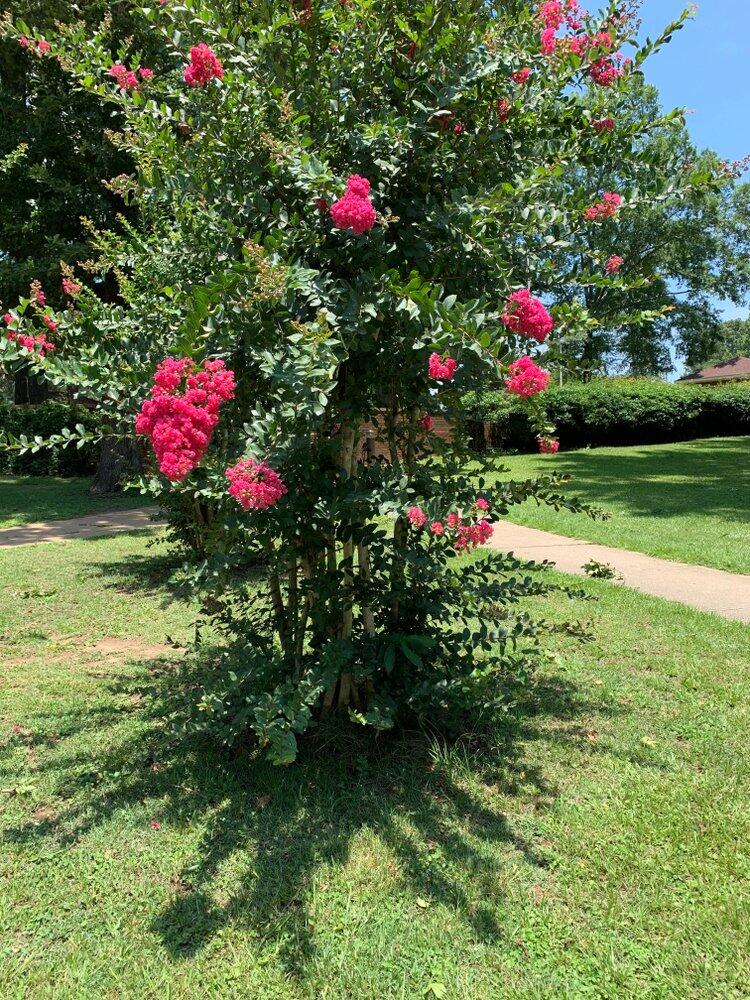
The vivid red bloom makes this tree a natural focal point in gardens and designed plantings. It may be used as a single specimen for summer color or planted in groups for a stronger massed effect. Because it tolerates a range of soil types and can withstand periods of drought, it is often chosen by gardeners who want dependable color with relatively low maintenance.
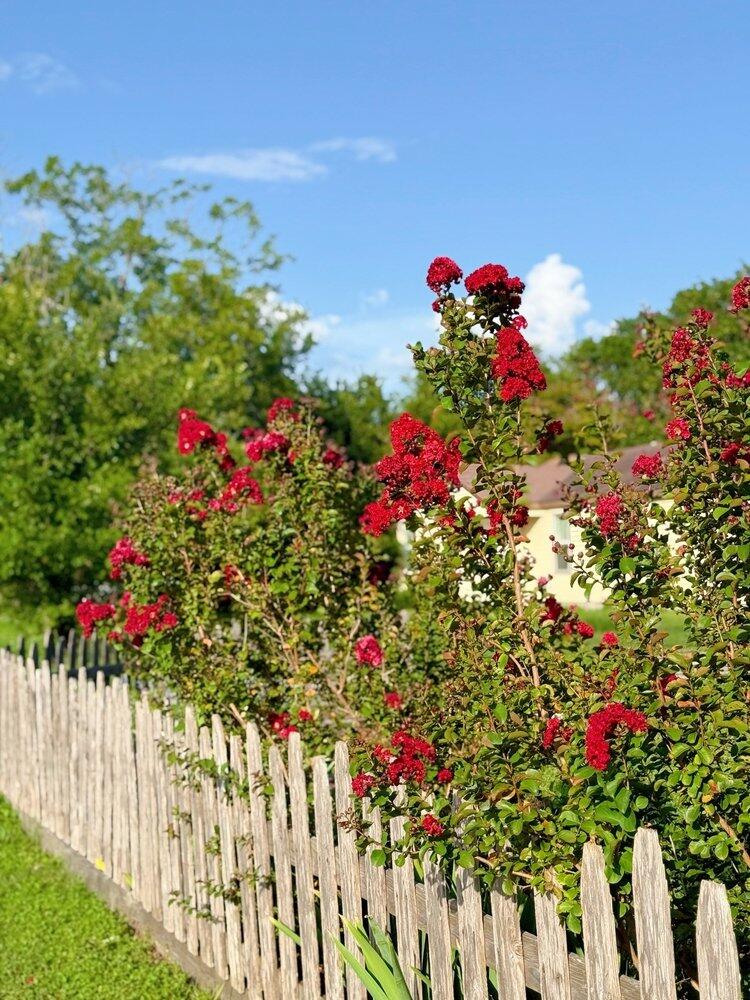
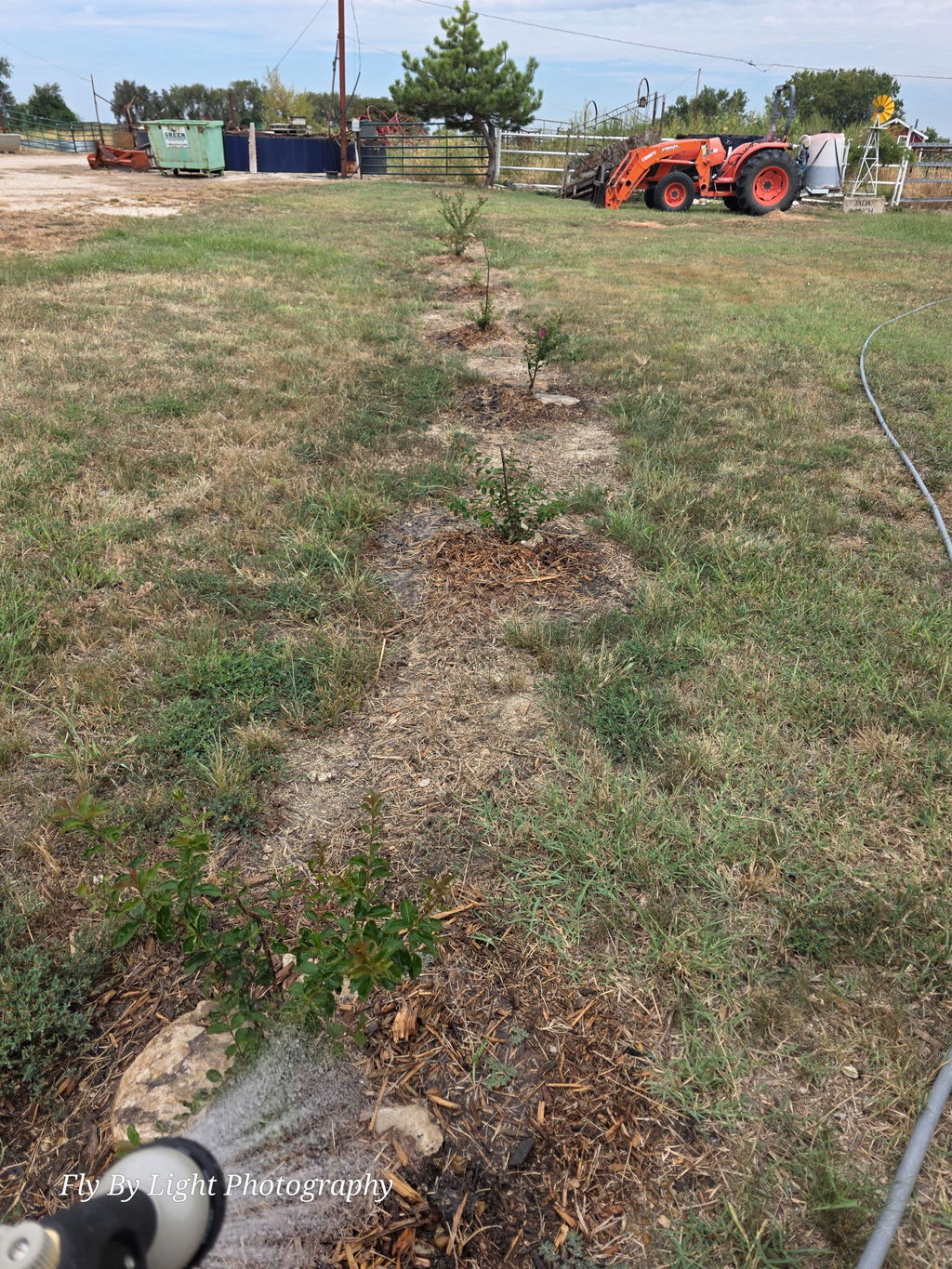
Landscapers also use red crepe myrtle in screens, hedges, and privacy plantings where its leafy canopy and seasonal flowers can add both structure and beauty. Its measured growth and distinctive flower color have helped make it a familiar choice in landscapes where form and seasonal interest matter.
Seasonal Interest of Red Crepe Myrtle
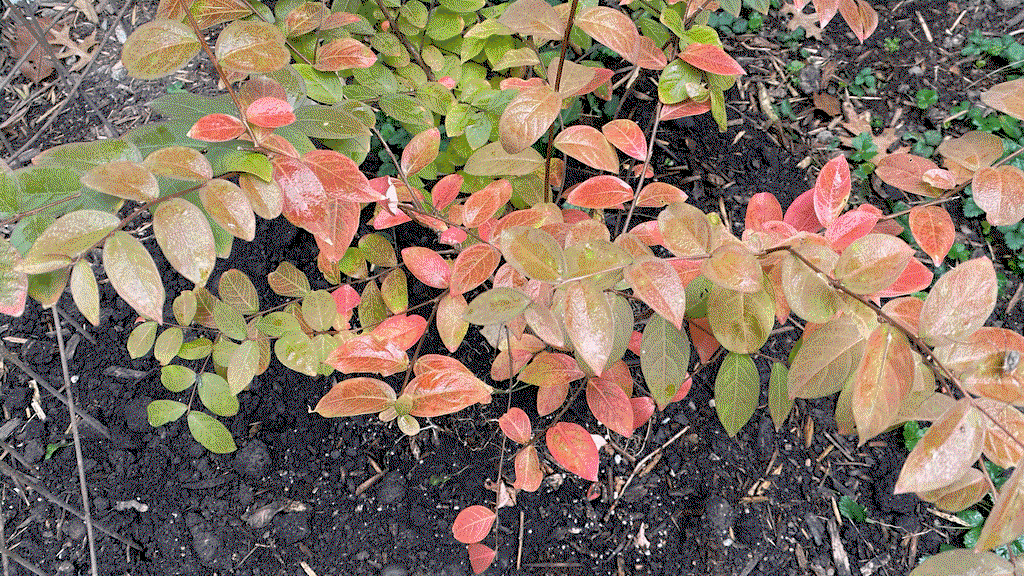
Red crepe myrtles provide changing interest through the year. In spring, fresh green leaves emerge and set the stage for summer flowering. As the season warms, the red blooms open and bring strong color to the garden while attracting bees and butterflies. In autumn, the foliage shifts to yellow and orange tones, extending the display beyond the bloom period.
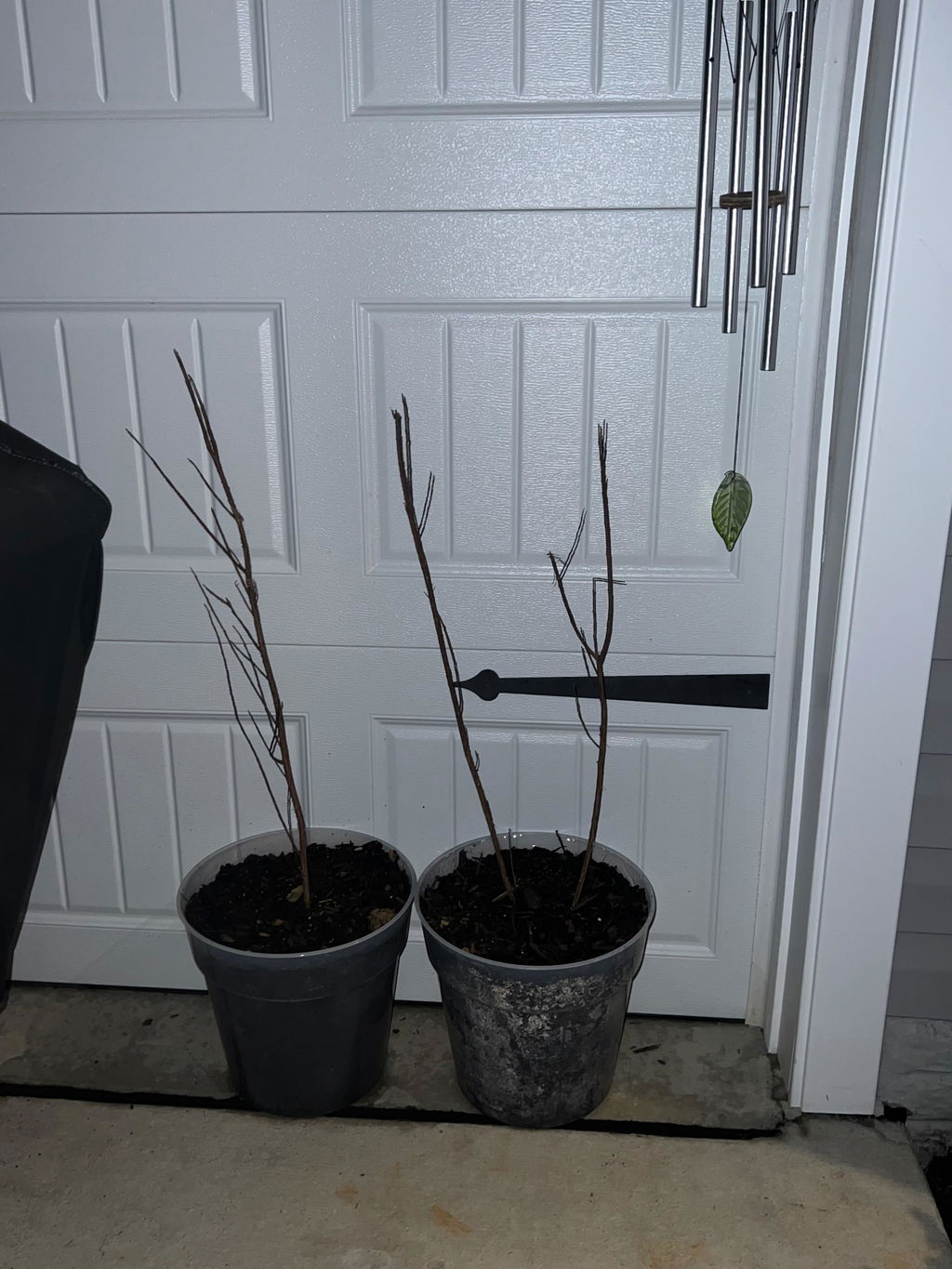
Even in winter, after the leaves have dropped, the tree continues to contribute to the landscape. The peeling bark and distinctive branching pattern give it an architectural quality that remains appealing in the dormant season.
Long-Lasting Red Summer Color
Red crepe myrtle blooms in mid-summer and may continue through the first frost when conditions are favorable, providing a long season of color. The flowers are light, crinkled, and held in dense clusters that create a soft, waving effect. Light across the foliage can shift the appearance of the leaves and blooms throughout the day, giving the tree an ever-changing character in the garden.
In addition to its ornamental qualities, the red crepe myrtle is often appreciated for the sense of warmth and vitality its flower color brings to a space. Whether planted near a patio, in a mixed border, or as part of a larger landscape design, it offers a bright and memorable display.
Why Choose Red Crepe Myrtle
The red crepe myrtle combines deep red flowers, attractive bark, and practical landscape value in one tree. Its bloom color, seasonal changes, and adaptability make it a useful and beautiful choice for gardens and yards. This tree can be admired as a specimen or incorporated into broader plantings where lasting summer color is desired.