Layla Rojeski
I just got the Pink Spirea and it’s in the pot now. But I don’t know how that flower will grow because I ****

Spirea Shrub
Ships Between November 15-29
4-8
Under 10 Feet
Moderate
Full sun and Partial shade
Late Spring to Early Summer
Pink Spirea thrives in well-drained soil. Water often to keep the dirt moist, but avoid overwatering. Trim after flowering to maintain shape and remove dead branches. Fertilize in spring to stimulate healthy growth and vibrant flowers.
Pink Spirea thrives best in full sun to partial shade. Optimal blooming requires at least 4-6 hours of direct sunlight daily. While it can tolerate some shade, too much may result in fewer blooms.
Butterflies feast on the blooms , Lovely long lasting blooms, Very easy to maintain
Layla Rojeski
I just got the Pink Spirea and it’s in the pot now. But I don’t know how that flower will grow because I ****
zacius k Shropshire
I appreciate you being so responsive. I’m satisfied with all my orders. I look forward to ordering in the future. Thanks.
Carol Jennings
Pink Spirea
About this plant
Spiraea, commonly known as spireas, is a genus within the family Rosaceae. They are considered to be attractive shrubs, native to Asia and North America. This is a tough shrub, often used as a specimen plant for its showy flower clusters and also for its foliage. Some Spirea are ground-hugging; others will arch out and reach a height of five or six feet. The leaves are usually narrow with serrated margins and a dark green color. Flowers sometimes appear on pendulous branches during spring and summer. As a result, whether it is the green of summer or the colorful riot of the spirea flowers, the spiraea is much more than just a plant, it is a vibrant piece of garden.
Because of its adaptability and ease of cultivation it can be used in most soil types and aspects, from full sun to partial shade. It is used in many situations where flowering shrubs are planted to provide specific effects or to fulfill specific uses. It is an attractive plant for planting around walkways and flowerbeds, but it works well in the middle of the border as a highlight. Depending on the type of spirea, such as Spiraea japonica and Spiraea bush, the plant can supply the texture and the colors that are much desired in the garden. Spirea are used when contrasting with plants of other types, often planted with evergreen shrubs showing them off or composing an arrangement of spireas with spring bloom.
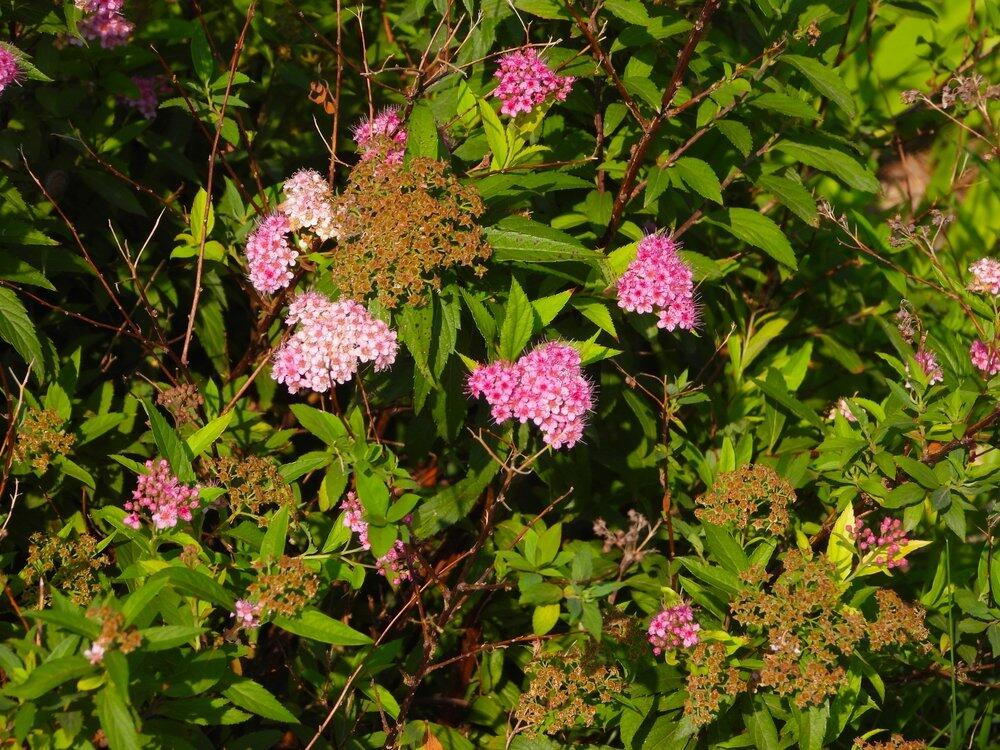
The most distinctive and high-value feature of spiraea is its flowers, which are small and delicate in pink and mostly arranged in clusters. Depending on the species, the plants have several periods of blooming, usually starting in late spring and flowering into summer. Their numerous flowers draw more species of bees and butterflies to areas with the plants, as well as adding motion to the landscape. The flowers of many spirea cultivars remain in bloom for several weeks, and the time when a spirea is in full bloom is a cause for celebration among gardeners. This makes it an important contributor to the numbers in the pollinator population and not only an aesthetically pleasing plant, but also an important part of a healthy garden.
Another reason for the popularity of spirea is that each season has something to offer. Spring bloom is soon upon us, and spirea brings a rich note of color and fragrance when winter is well and truly over. Summer is best for the profusion of bright green foliage and flowering. Fall is best for the vivid colors of the yellow to orange leaves. In the winter, even when the spirea appears dead, and the branches are drab and naked of bloom, the beauty of the branches and the form give ornament to the winter landscape, giving an ever-changing garden that has visual interest in every season, and at all points in time.
However, regardless of its aesthetic improvements, the old cultures and traditions surrounding spiraea should not be overlooked. The spiraea species have within its cultures and social practices been known to have medicinal usage due to its proposed curative properties. Several of the spiraea species have been used for various medicinal purposes. Spiraea is associated with love and romance, and has been used in wedding bouquets and in decorations for other similar occasions. In certain countries and regions, the plant can also be found used symbolically in cultural festivities. It may, for example, be used to decorate streets, buildings, and other areas to create a celebratory impression. This cultural aspect adds another level of interest to spirea, showing that, like humans, plants can also have cultural importance.
The spirea bloom cycle is the anticipation of every gardener each year. After flowering, spent blooms may be dead-headed, which contributes to heavier, or perhaps lighter, flowering. With each nod towards the new life of the season, green leaves sprout from the plant, new green leaves filling the garden with their life-revealing freshness, while with the heat of summer they grow still thicker, standing out against the bright color of the flowers. Just as the spirea grows and renews itself with every season, the gardener is refreshed and re-energized by the beautiful and persistent forces found within nature.
Its beauty, seasonal changes, and cultural importance make it a popular choice for gardens and a symbol of endurance and prosperity. Spirea can be counted on to make a fine showing from early spring till late fall, and to hold the heart and soul of all who enter its domain. Whether upon the lawn or in the wilds, or gracing the home grounds, it will form one of nature's harmonious links in the chain that draws heaven-ward the human heart.

Since 1959, TN Nursery has grown and shipped quality bare root plants nationwide. Shipped during dormancy, bare-root plants develop strong root systems and establish quickly. Our experienced team carefully harvests and packages every order, providing growers with trusted plants backed by over 65 years of nursery experience.
Learn More About
Bare root trees
Vibrant Flower Clusters:
Pink Spirea produces large clusters of deep rose-colored flowers, adding vibrant color to your garden.
Attracts Pollinators:
Its bright blooms attract butterflies and bees, enhancing your garden’s ecosystem.
Extended Blooming Period:
Pink Spirea offers months of floral beauty with intermittent blooming throughout the season.
Seasonal Foliage Colors:
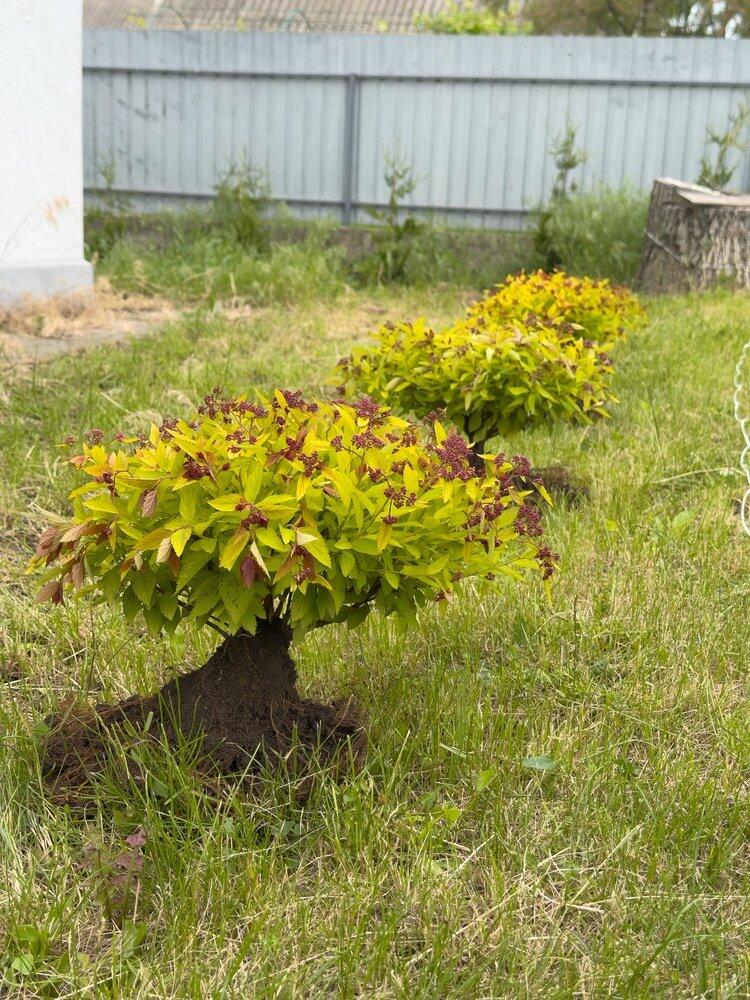
The leaves transition from green to burgundy, purple, and then gold and orange, providing year-round interest.
Fall Digging
Spring Digging
Packing Orders
Customer Unboxing Video
Product Highlight
I am so happy with the Spirea shrub I ordered from TN Nursery. It came healthy and well packaged. Will definitely be ordering again.
I’m very happy with my Spirea Shrub from TN Nursery! It arrived healthy, well-packaged, and ready to grow. It’s already looking beautiful in my garden, and I’m excited to see it fill out and bloom. Great quality and service from TN Nursery!
TN Nursery sent me Pink Spirea plants that were healthy and easy to plant. Within weeks, they adjusted well and are now covered in delicate pink blossoms that brighten up my yard. Outstanding service and excellent plants!
Ordering Pink Spirea from TN Nursery was the best gardening decision I’ve made this year. The plants were carefully packed and showed no stress after shipping. Now they’re blooming beautifully, creating a cheerful garden display.
The Pink Spirea shrubs from TN Nursery were healthy and thriving the moment I unpacked them. After planting, they grew strong and already show signs of new buds. A fantastic addition to my garden—worth every penny!
I’ve bought plants from several online nurseries, but TN Nursery stands out. My Pink Spirea plants came fresh, lively, and ready to thrive. They’ve quickly become the centerpiece of my landscaping with their vibrant pink blooms.
Healthy Pink Spirea for Perfect Landscaping
The Pink Spirea I bought from TN Nursery exceeded my expectations. Each shrub had strong stems and lush foliage, and now they’re filling out beautifully in my front yard. TN Nursery truly provides professional-grade plants!
TN Nursery delivered strong, well-packaged Pink Spirea shrubs right to my doorstep. They were easy to plant and adapted well to my landscape. The blooms are stunning and attract so many butterflies—highly recommended for anyone wanting vibrant curb appeal!
I ordered Pink Spirea from TN Nursery, and they arrived in excellent condition with healthy roots and vibrant leaves. After planting, they established quickly and now brighten my garden with their colorful blossoms. Truly a top-quality nursery choice!
I just got the Pink Spirea and it’s in the pot now. But I don’t know how that flower will grow because I **** had it before. I’m hoping that is going to be okay. Thank you so much for your concern.
I appreciate you being so responsive. I’m satisfied with all my orders. I look forward to ordering in the future. Thanks.
Pink Spirea
Absolutely stunning when combined to few of my flowering shrubs. This has been in my yard for two years now. My ever first purchase at TN nursery and gave me the best satisfaction. From packaging to shipping, you never failed me. Cheers.
My array of pink spirea created a lovely balcony in my house. I was successful with my purchase at TN nursery months ago. I made the right choice.