Bonnie Brezzo
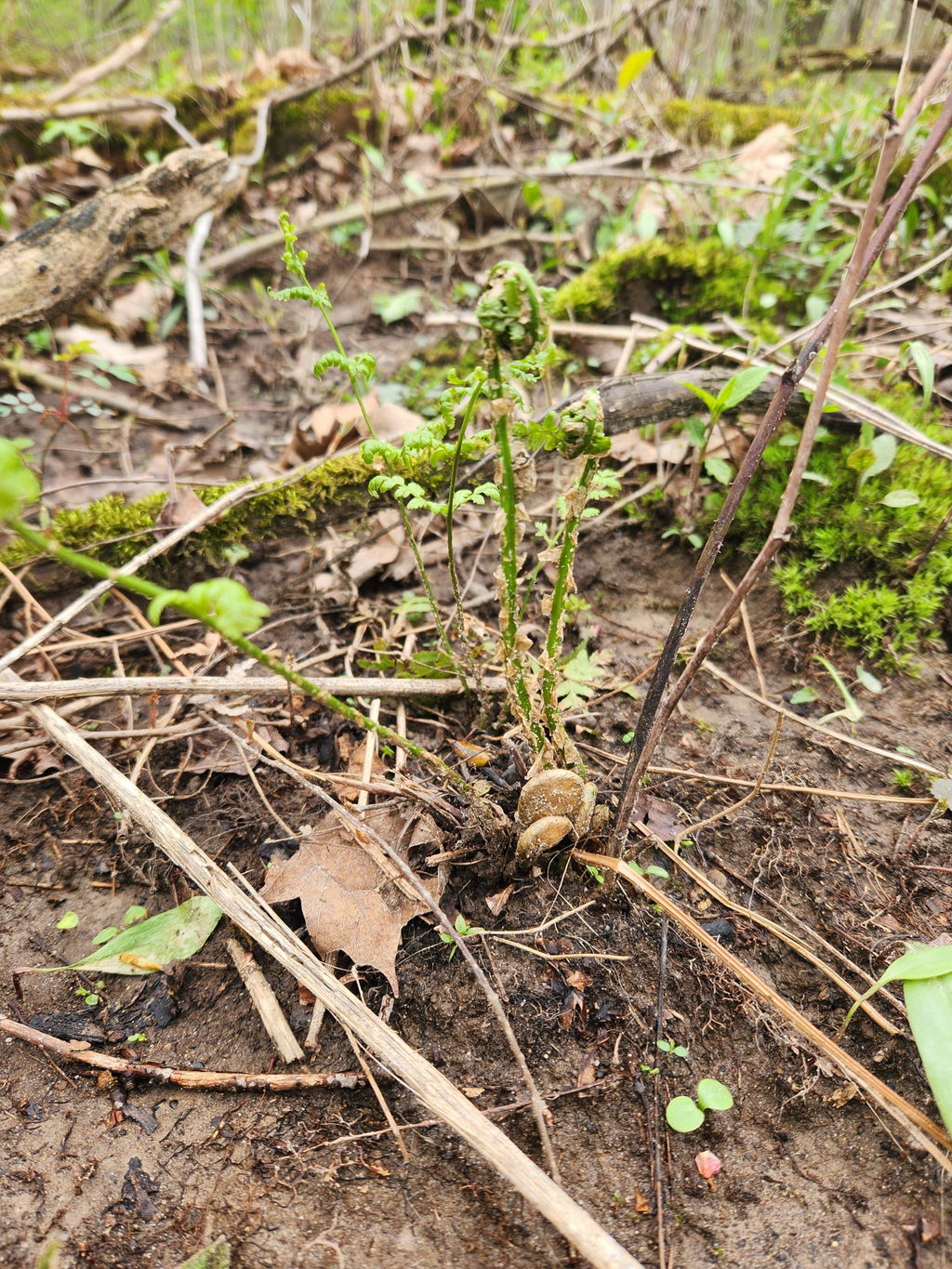
One is taking off after 1 week, one is struggling and the 3rd has disappeared…

Giant Ostrich Fern
Ships Now
3-7
Over 2 Feet
Low
Partial shade and Shade
Spring
Ostrich ferns thrive in moist, well-drained soil. Water regularly to keep the soil always damp but not soggy. Apply a layer of mulch to maintain dampness and suppress weeds. Prune back any dead or damaged fronds in early spring.
Ostrich Fern (Matteuccia struthiopteris) thrives in partial to full shade, making it perfect for woods gardens or shaded areas. It prefers filtered sunlight or dappled light, which helps maintain its lush, green foliage and prevents leaf scorch.
Ornamental beauty & privacy and screening , Soil erosion control & air purification, Stormwater management & low maintenance
Bonnie Brezzo
One is taking off after 1 week, one is struggling and the 3rd has disappeared…
Frances Aylward Allen
Obviously I can’t report on anything except that the instructions are very clear. And the roots look quite healthy. I have a year to tell you how glorious they are!
Loren Hartman
I hope your roots grow and survive in zone 9b. Other online suppliers limit their survival to zone 8. I have had an ostrich fern growing from a local grower but it got destroyed by fallen tree. The roots look healthy and promising. Thanks for
About this plant
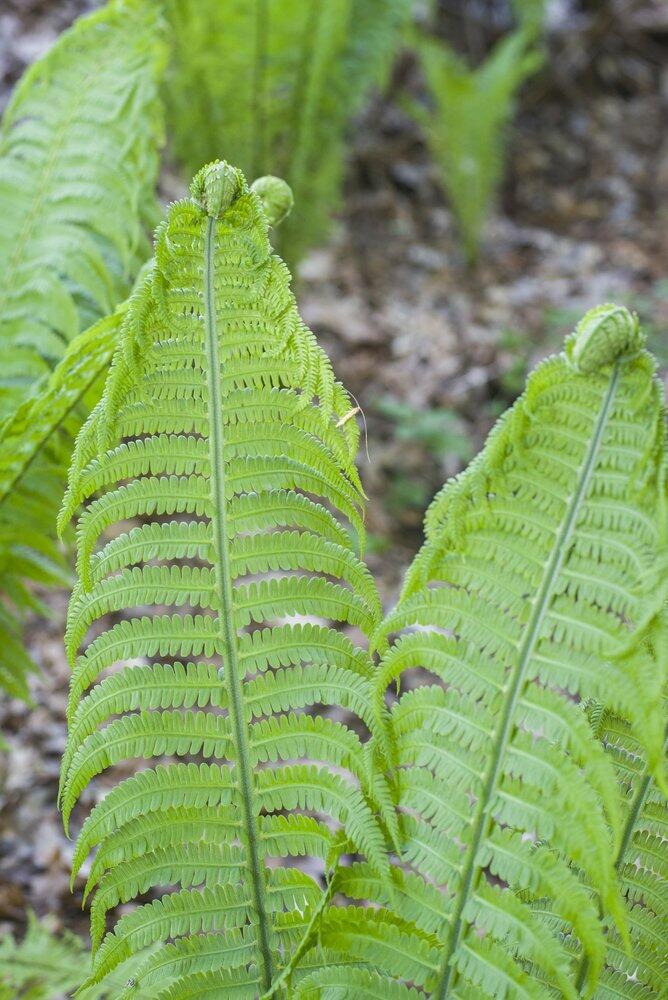
The giant ostrich fern (Matteuccia struthiopteris) is one of the largest ferns within the fern family‚ and has fronds that resemble an ostrich's plumage․ It has strong ties to the woodlands and shaded areas of many of its native regions‚ a testament to the beauty of nature․ The plant grows well in damp shaded areas where many other plants might have difficulty surviving․
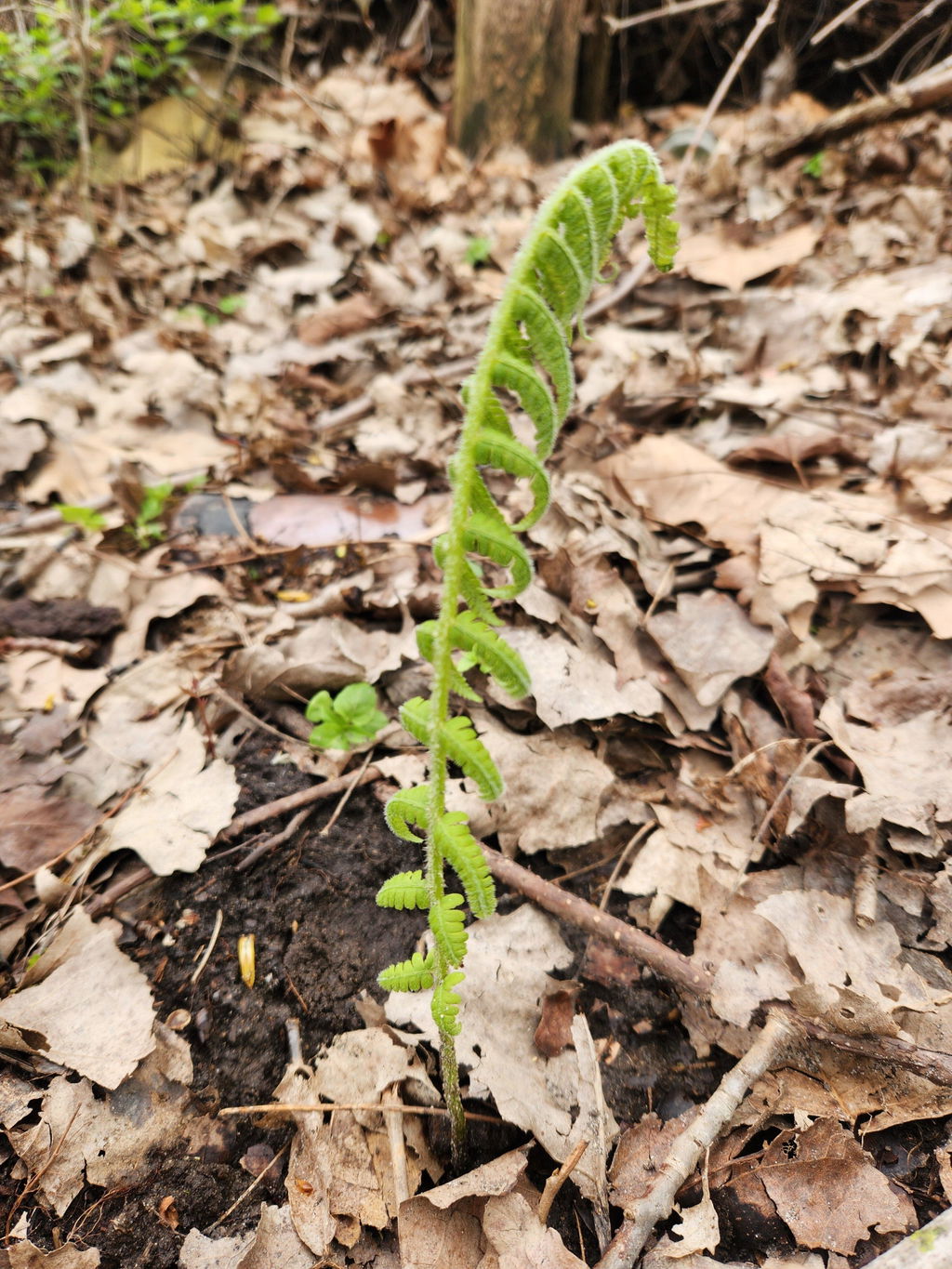
The tightly spiraled fronds of the giant ostrich fern unfurl and reveal a lacy texture that is appreciated by both gardeners and fern enthusiasts․ As a wild plant, it acts as a link between the wilderness and the security of your own garden‚ inviting exploration and offering a sense of peace․
Many of the fronds will grow 6 ft (1․8 m) long and provide a distinctive arching green canopy of foliage․ Soft and airy‚ the fronds of sheathed fern push up from the ground in spring․ The dark rhizomes run deep and the fronds emerge in drifts with a stately and gentle loveliness‚ pervading the surroundings․ The glossy foliage is a rich green colour‚ so it is an appropriate background for plants in flower or fruit‚ providing a setting which is supportive yet unobtrusive․ The fern may also be used to improve the attractiveness of a garden or habitat by providing shelter and shade for other small organisms․
This season also brings changes to the larger giant ostrich fern․ In spring the fresh growth of the fronds is seen and the fronds turn a bright green color in summer that can brighten shady spots․ The fronds turn brown or yellow in late fall as the plant goes dormant․ They droop downward‚ as if giving way to gravity and the cycle of life․ The colors and the process enthrall all who enjoy gardening‚ and is an interesting feature of the natural cycle of life․ The fronds die back completely to ground level in the winter․ However‚ the rhizomes lie dormant and will re-sprout the following spring․ The fact that giant ostrich fern continues to sprout each spring adds to its appeal‚ making the plant a symbol of continuity and renewal from season to season in the calendar year․
The fern is a popular landscape ornamental due to its ability to thrive in shady locations․ The fern is highly desirable to both professionals and amateurs for creating tranquil and verdant gardens‚ and is often grown in conjunction with hostas‚ bleeding hearts‚ and other woodland plants․ Soil erosion is prevented by the fern's root system․ This makes the giant ostrich fern a good choice for hilly areas and at the borders of properties․ In a tropical garden‚ the fern looks its best when planted in masses․ In a less tropical garden‚ the fern can be used as a specimen‚ when planted alone in a shady area‚ to provide life and interest․
Moreover‚ ferns have cultural importance across the world‚ with many peoples seeing them as symbols of longevity and strength‚ hardy enough to thrive under the most unlikely of circumstances‚ and standing as a metaphor for overcoming adversity and flourishing in the most unlikeliest environments․ In literature‚ the fern is often viewed as a metaphor that symbolizes the conflict of past and present‚ life-sustainability‚ and the beauty of ephemeral existence․ To many‚ the fern is a species not just associated with vegetation‚ but it also carries a symbolism of nostalgia‚ a feeling tied to one's childhood‚ places in the forest‚ and relaxation throughout nature․ It can also help promote a better appreciation of nature and our place within a larger ecosystem․
Besides its visual appeal‚ the giant ostrich fern is symbolically important and represents art and nature's perseverance․ The seasonal changes‚ as well as the ornamental uses‚ reinforce its importance and charm and surely make it one of nature's finest adornments to any landscape․ The giant ostrich fern has emotional importance beyond its physical presence: it is a symbol of nostalgia‚ and an invitation to appreciate the beauty of such plants‚ nurture them in our gardens‚ and create a space which represents an attitude of appreciation both for the beauty of the plant and the forces of nature that enable its growth․

Since 1959, TN Nursery has grown and shipped quality bare root plants nationwide. Shipped during dormancy, bare-root plants develop strong root systems and establish quickly. Our experienced team carefully harvests and packages every order, providing growers with trusted plants backed by over 65 years of nursery experience.
Learn More About
Bare root trees
Lush Appearance:
Their dense, feather-like foliage creates a full, rich look in your landscape.
Flexible Planting:
Ideal for borders, containers, or ground cover, these ferns enhance any garden setting.
Easy Care:
Minimal maintenance makes Ostrich Ferns a great choice for a fuss-free garden.
Shade Friendly:
Perfect for low-light areas, these ferns brighten up shady spots effortlessly.
Fall Digging
Spring Digging
Packing Orders
Customer Unboxing Video
My Giant Ostrich Fern turned out absolutely beautiful! It filled in so nicely and gives my shady garden that lush, full look I was hoping for.
I planted them 13 days ago and a few on them went from nothing to over 10" tall already.
Arrived in great condition. Potted up and kept protected. The ferns sprouted about a week after potting up and have continued to grow nicely.
I ordered two ostrich ferns. The first one has already started sending up fronds. The second one is just sitting there. So we’ll see.
I absolutely love my Ostrich Ferns from TN Nursery. Their tall, arching fronds create woodland elegance in my garden. Each plant was carefully packaged and is thriving beautifully.
The Ostrich Ferns from TN Nursery are simply gorgeous. They add height and fullness to my landscaping, and their vibrant green fronds stand out beautifully. The plants arrived fresh and ready to grow.
TN Nursery’s Ostrich Ferns are perfect for creating a natural woodland effect in my yard. They arrived strong, with healthy roots, and are now flourishing in my shady areas.
I am so impressed with the Ostrich Ferns I received. Every plant was healthy and vibrant upon arrival. They are already thriving and spreading beautifully in my garden.
The Ostrich Ferns I purchased from TN Nursery are a showstopper in my shaded landscaping. Their tall, feathery fronds look incredible, and the plants established quickly after planting. Excellent quality!
My Ostrich Ferns from TN Nursery are absolutely thriving. They came well-packaged, fresh, and with strong root systems. These ferns create a dramatic, elegant look in my shady garden.
The Ostrich Ferns I ordered from TN Nursery arrived lush, green, and very healthy. Their tall, graceful fronds add stunning texture to my garden and have already begun to thrive. I am beyond pleased with the quality.
Kim did an amazing job on my nails. Took the time to show me different colors to achieve just what I was looking for,.
Came as described. Look healthy. Cantwait till next year!
My interaction with TN nursery was great. The plants were received in a timely manner. As far as I know, there were no planting instructions. We will see how the ostrich ferns are when they come up in the spring, since these were bare root.
Planted 15 or 25 but no idea until spring?
One is taking off after 1 week, one is struggling and the 3rd has disappeared…
Arrived quickly. Another bare root, which I knew.
Just haven’t had much luck with them. Third time this summer. Just planted ferns, we’ll see how it goes. From now on I’ll probably just buy the larger plants.
Obviously I can’t report on anything except that the instructions are very clear. And the roots look quite healthy. I have a year to tell you how glorious they are!
I hope your roots grow and survive in zone 9b. Other online suppliers limit their survival to zone 8. I have had an ostrich fern growing from a local grower but it got destroyed by fallen tree. The roots look healthy and promising. Thanks for
The was faster than originally estimated on the delivery. And it’s a little early yet to say how they are doing , since they’ve only been in the ground a day. But shipping I was really happy with the the quickness
Just received them yesterday! Look great
I’m waiting until later today to plant when hopefully it won’t be SO hot
Thank you can’t wait to see them grow!
Ostrich Fern
I planted them yesterday in shade of trees since multiple rounds of rain, including yesterday afternoon, are forecast for the next few days. looking forward to see these plants grow.
The package arrived. I planted the bare roots into containers, and I await their growth. The roots were well packed And the instructions were clear.
I received my roots earlier than expected. They looked healthy with a small amount of green growth on some. I'll know soon enough if they are going to thrive in the part of my yard I put them in.
My fern has not come up yet. I have it in the shade, planted it as soon as I received it. No sign of it yet. Courtney Singleton
I received my box of healthy looking Fern ostrich rhizomes. I planted them the day I received them and can’t wait to see the results.
Everything looks good, good communication regarding delivery
I received my Ostrich Ferns bare root in excellent condition,
Ostrich Fern
Ostrich Fern
Order a bunch of ostrich ferns for a shady marshland behind my house, new bare root plants showed up in quickly and looked great. I'm a very satisfied customer 👌