Partridge Berry Details
Partridge Berry - Mitchella Repens
The partridgeberry is a charming‚ modest plant: a perennial creeping ground-cover in the family Ericaceae that is native to the woods of eastern and subarctic North America․ Its scientific name is Mitchella repens․ The passerby can not fail to be attracted by this modest little fellow‚ and it is a marked feature of every woodland scene‚ this robust plant abounds in the whole range of its distribution‚ adding beauty and interest to our dear woods․ Such a small thing‚ with such an impressive appearance‚ shows all the many and wonderful ways that plant life has adapted to its world around it․
Partridgeberry Plant Asthetics - Evergreen Shiny Leaves With Red Berries
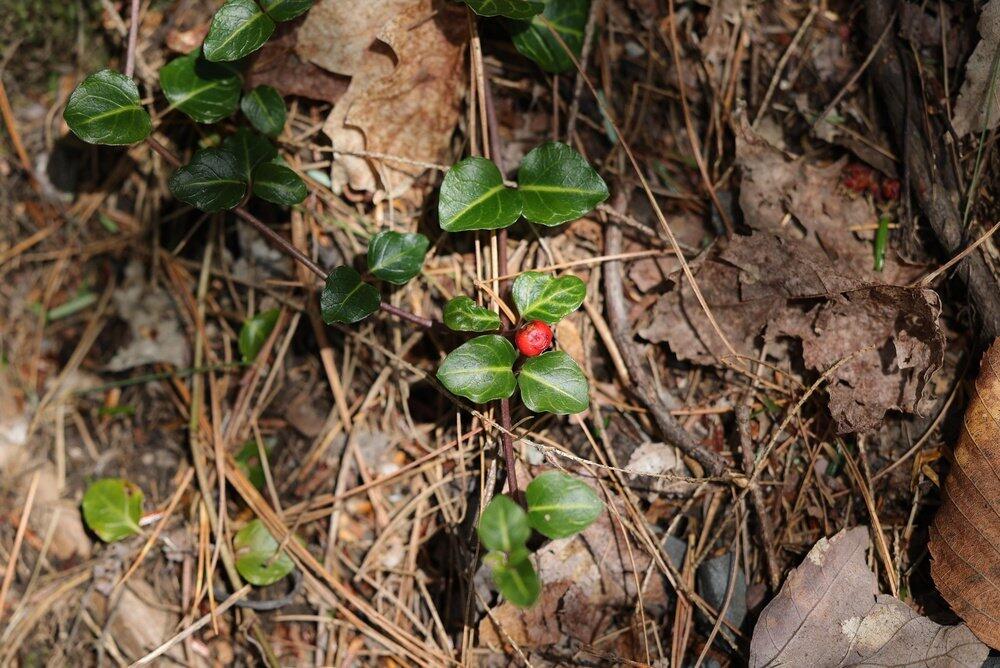
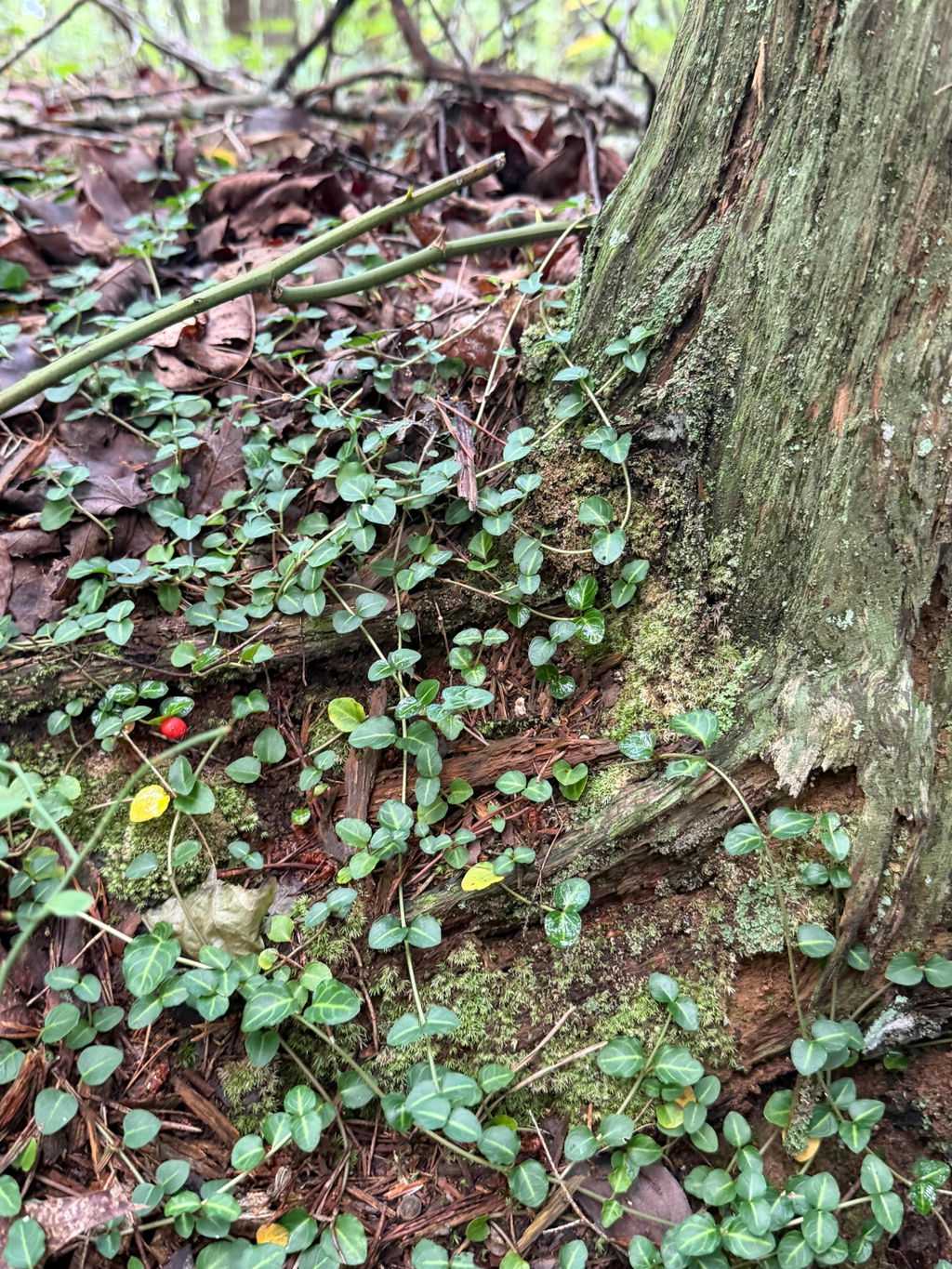
Such tiny‚ ovoid‚ deep green leaves‚ closely paired and flaring apart in a pretty kind of waving line close to the earth‚ have no right to be so obviously happy! They are shiny‚ thick in texture‚ and many a ray of light will chase along that glistening surface‚ making the ground look so bright․ Since the plant creeps‚ this can give it an other-worldly appearance as it covers large patches of land․ Small‚ white tubular flowers appear in the spring․ The small‚ and not very showy‚ though fragrant flowers are an attraction to pollinators and are one more example of the understated beauty of the tree․
It's Evergreen Appearance and Brilliant Red Berries Happen During the Holiday Season
In winter the snow provides an even greater contrast with the berries‚ and the plants are most obvious in winter when their display of red partridgeberry berries contrasts strongly with the white snow cover of the surrounding vegetation․ They are little pearls‚ growing together‚ huddled like children inbetween the dark green of the trees' leaves․ In an otherwise frigid and stark world‚ these little bright pearls are the promise of new life‚ a bit of cheer in an otherwise dreary winter forest․ The berries are often consumed by birds and other wildlife as a food source in winter when their food is scarce․
The evergreen leaves of partridgeberry allow it to have a year-round presence in the forest during the dormancy period
The tough and strong leaves allow it to stay green in wintertime․ Partridgeberry is seen as a sign of strength or toughness in the forest due to its evergreen nature․ The partridgeberry is able to grow in areas where other plants cannot grow due to low light levels․ This gives the plant a mutualistic relationship with other plants because the spreading evergreen nature of the groundcover covers other plants protecting them while also giving cover to small insects and animals during the seasons․
It is in these subtle features that the partridgeberry can most easily be identified
The leaves occur in pairs‚ opposite one another which gives the plant its distinct symmetrical shape․ The flowers are often ignored as they are small and white‚ growing from the axils and the red berries do not develop until later hanging from the plant․ This plant is discernible by the shiny surface of its leaves and by its trailing stems‚ which produce roots at various points along the length of the stem․ As a result of this‚ it is a plant which is sought after and easily spotted by both amateurs and professionals when out in its native range․
To sum up‚ there are many purposes of the partridgeberry plant beyond its decorative properties‚ which include red berries and shiny evergreen leaves that are characteristic of winter and a hardy plant that grows in a collection of environments․ The plant serves many ecological functions for the woodland environment․ Thus‚ while we walk through the woods‚ admiring the beauty of the plant‚ it is well to remember the elusive role played by it‚ and all the plants of our woodlands․ If next you are wandering through the woods‚ stop and look at the partridgeberry․ You will find its beauty and utility more than you ever suspected; its name not undeserved․