Apricot Trees for Sale | Prunus Armeniaca
Apricot Fruit Tree (Prunus armeniaca) is native to Armenia but will be at home planted in your home orchard or garden. A hardy, deciduous tree that will give you plenty of sweet yet tart fruit and shade for generations to come.
SHIPS SPRING OF 2026
Apricot Fruit Tree Plant Details
Family: Rosaceae
Light Requirement: Full Sun
Water Needs: Moist
Height: 15 - 20 ft.
Spread: 15 - 20 ft.
Growth Rate: Fast
Bloom Time: Spring
Flower Color: White
Wildlife Value: Attracts Bees

Landscape Uses and Maintenance of Apricot Fruit Tree
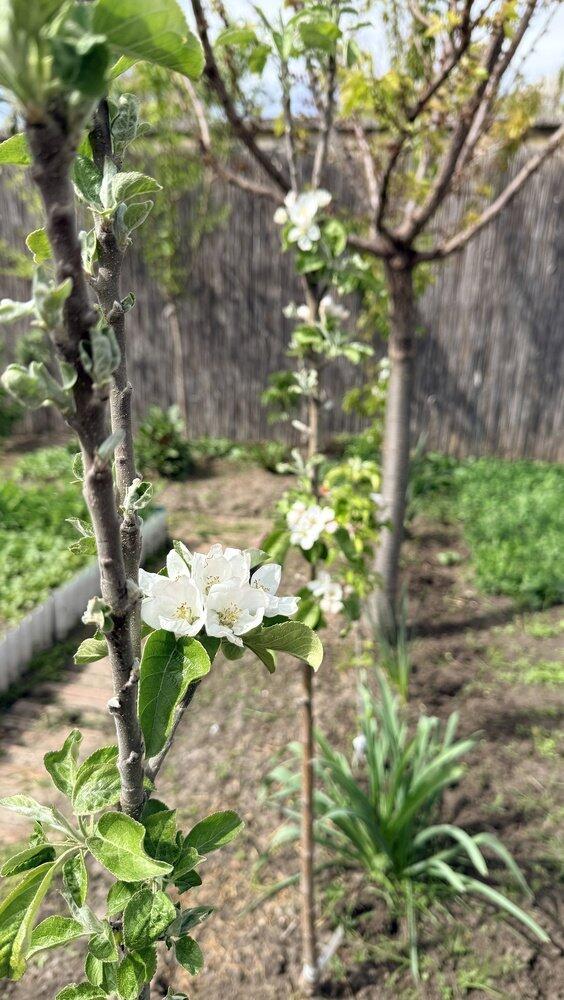
The Apricot Fruit Tree is a rewarding fruit tree to grow that is beautiful, practical, and ornamental. They have small, soft pink to fragrant white flowers. This fruit tree grows very quickly and will gain a large amount of height in the first couple of years of growth.
These fruit trees require a moderate amount of maintenance. Get your tree pruners ready for action! They will need pruning of dead, rubbing, or diseased branches. You should prune to thin out some of the branches, too, which will give you better quality fruits. Prune in the late winter.
The autumn royal apricot tree need full sun. However, they benefit from having some sort of protection to help keep them better guarded from unexpected late frosts and wind. The sunlight will also dry out limbs and leaves, in turn preventing diseases from spreading through your tree.
Make sure to plant your Apricot Fruit Trees in an area with well-draining soil. Avoid planting them in clay soil that holds more water. These trees will not tolerate a high water table.
Water thoroughly when first planted until well established, taking care not to overwater. You will need to water this tree during dry periods.
Give a balanced fertilizer that will encourage fruit set and overall tree health.
Flowers will attract bees and butterflies.
Noteworthy Characteristics of Apricot Fruit Tree
The Apricot Fruit Tree is a Moorpark apricot self pollinating, meaning that you can have one tree and still produce fruit. However, most self-pollinating trees will actually produce more vigorous fruit when more than one tree is present. So, plant multiple varieties and enjoy a bountiful harvest!

Customer Reviews
I couldn’t be happier with my apricot fruit tree purchase from TN Nursery. The tree was well-packed, moist, and ready to plant upon arrival. It’s now flourishing and showing signs of excellent growth. This is hands-down the best nursery for buying fruit trees online.
TN Nursery delivered more than just a fruit tree—they delivered quality, reliability, and trust. My apricot fruit tree is vibrant and strong, and I can already tell it will bring many fruitful years to my home garden. Highly recommend this nursery to anyone looking for apricot trees.
I’ve ordered plants from other nurseries before, but TN Nursery truly stands out. The apricot fruit tree I received was healthy, pest-free, and ready to thrive. I’ve already recommended this nursery to friends who want to start growing apricot trees.
Shopping for fruit trees online can be a gamble, but TN Nursery makes it stress-free. My apricot tree arrived quickly, packaged carefully, and already looked vigorous and strong. I can see this tree producing amazing fruit in the near future.
My apricot fruit tree from TN Nursery is thriving beautifully in my garden. It came with a robust root system and has quickly adjusted to its new environment. If you’re searching for healthy fruit trees that actually grow well, TN Nursery is the place to buy.
How many years does it take for an apricot tree to bear fruit?
Apricot trees usually begin bearing fruit in about 3 to 4 years after planting. Once established, they produce delicious, golden-orange apricots each summer. With plenty of sunlight and care, they become reliable, fruitful trees for years to come.
Where is the best place to plant an apricot tree?
The best place to plant an apricot tree is in full sun with well-drained, fertile soil. Choose a spot with good air circulation to keep the tree healthy and productive. With sunlight and space to grow, it rewards you with beautiful blooms and sweet fruit each year.
Do I need two apricot trees to get fruit?
Most apricot trees are self-pollinating, so you only need one to produce fruit. However, planting two different varieties nearby can improve pollination and yield. Either way, with good care and sunlight, they’ll produce plenty of sweet, juicy apricots.
Exposure
Apricot fruit trees thrive in full sun, requiring 6 to 8 hours of sunlight daily. They favor a sunny spot with well-drained soil to ensure healthy growth, abundant fruit production, and optimal ripening of the apricots.
Height at Maturity
Under 25 Feet
Usage
Fruit
Shipped As
Bare-root
Ships
UPS
Planting Zones
4-9
How To Grow
How to Grow and Care for Fruit Trees
Fruit trees are a rewarding addition to any landscape, offering fragrant blossoms in spring and fresh, homegrown harvests in summer or fall. Popular varieties like apple, peach, pear, and plum thrive in full sun and well-drained, nutrient-rich soil. Choose trees suited to your USDA zone, and plant in early spring or fall for the best root development.
Dig a hole twice as wide as the root ball and deep enough so the root flare sits just above the soil line. Backfill with native soil, water deeply, and apply mulch around the base—keeping it a few inches from the trunk—to retain moisture and suppress weeds. Water regularly during the first growing season, especially during dry spells.
Prune annually to shape the tree, improve air circulation, and boost fruit production. Fertilize in early spring with a balanced or fruit-specific fertilizer. With proper planting, seasonal care, and a little patience, fruit trees will reward you with beauty, shade, and bountiful harvests year after year.