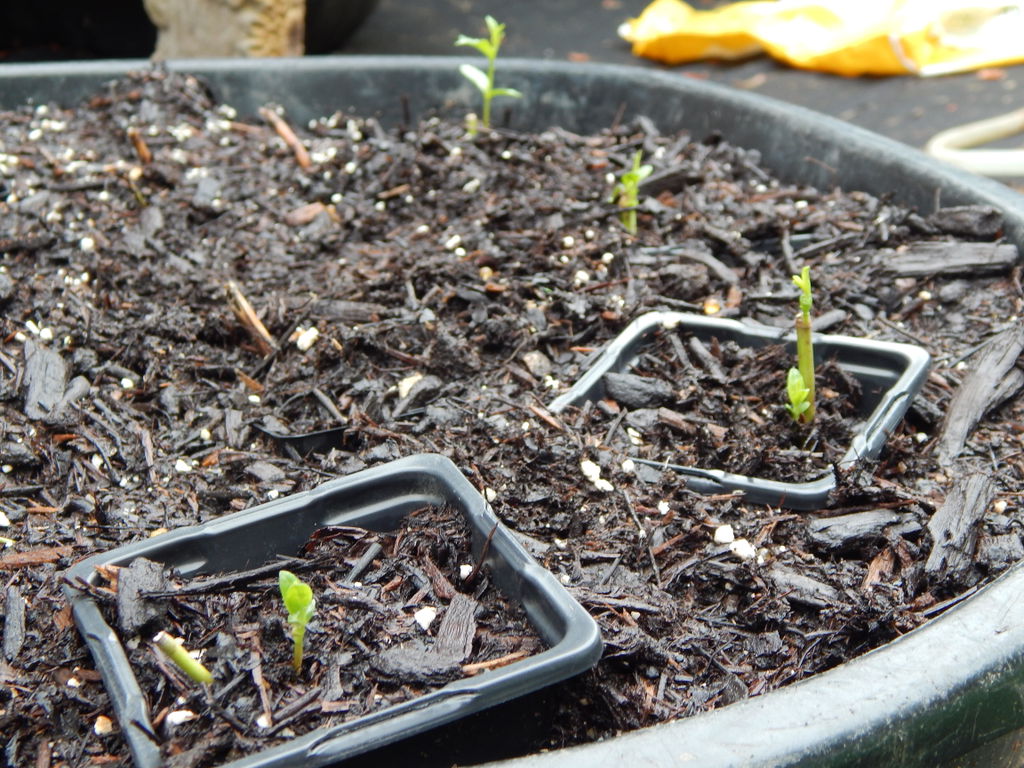
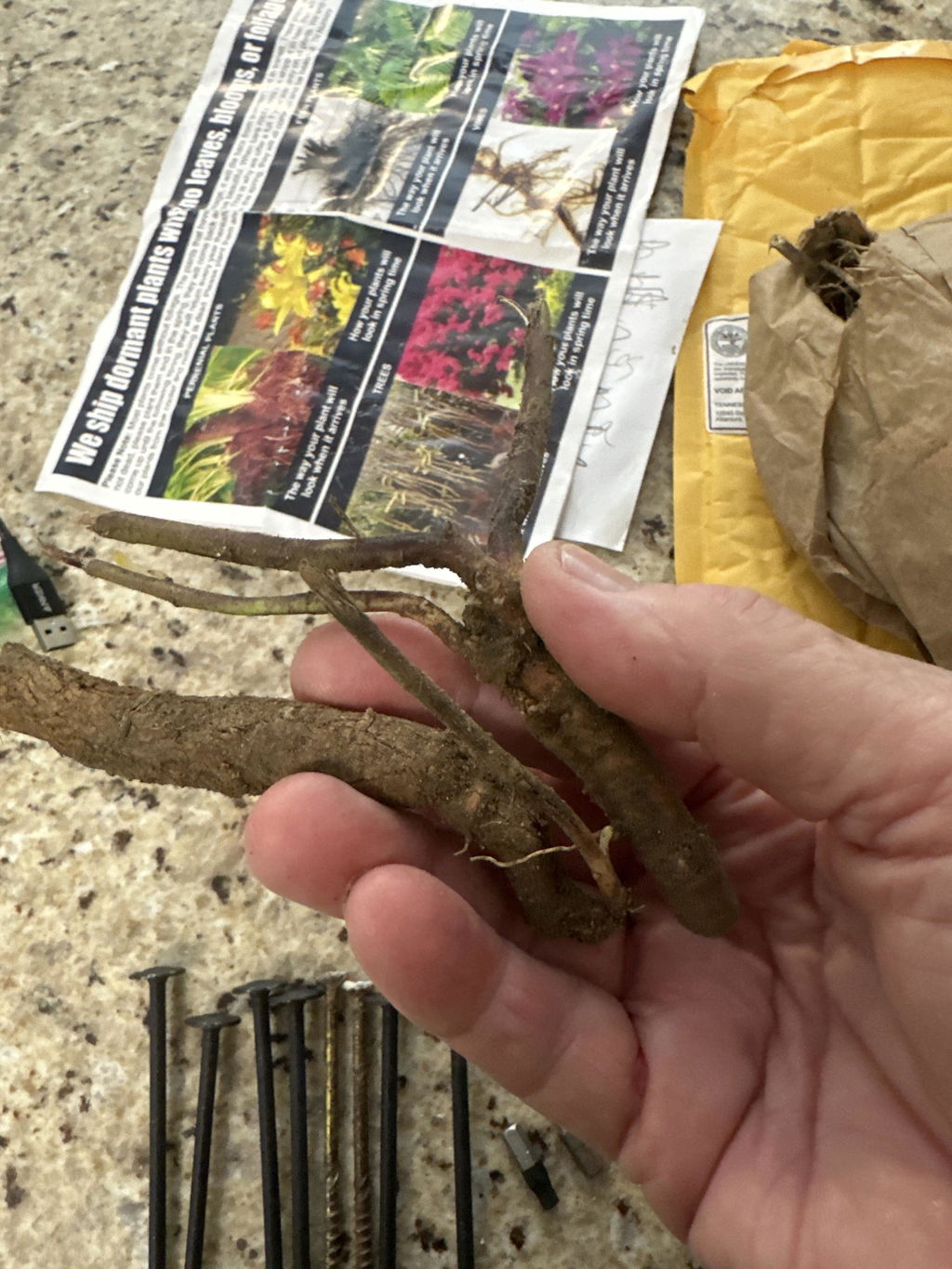
Butterfly Weed Details
The butterfly weed, Asclepias tuberosa, is a pollinator host plant for monarchs and a butterfly magnet. The plant provides dual value as both a beautiful addition and a pollinator magnet that increases biodiversity in the vicinity․ The plant's blooms are yellow and orange and add a vivid aspect to the butterfly flower‚ making them very attractive for most settings․ In addition to being attractive in any landscape or garden‚ butterfly weed is also the primary host for the popular monarch butterfly․
Butterfly Weed Monarchs, Butterflies, Honey Bees, and More
At TN Nursery‚ our plants are the best available‚ and our goal is biodiversity and sustainability․ Working on the fundamental belief that natural gardening is a way for life and harmony to coexist‚ we're here to help you․ In addition‚ it is noted for being very attractive to pollinators․ It attracts some butterfly‚ bee (including honey bee)‚ bumblebee‚ and hummingbird species․ When the plant is in full bloom‚ it is brightly colored‚ and attracts insects and birds for its nectar-rich flowers․ Planting butterfly weed will not only help your flower garden look more attractive to the butterflies‚ but it will also help the monarchs increase the level of pollination for the plants․
Plant the butterfly weed in full sun
Gardeners who want to plant butterfly weed to help the butterflies should make sure to plant in full sun on well-drained land․ Watching butterflies fly from flower to flower is immensely satisfying and a testament to your garden as a vital source of shelter and food source for local wildlife․
In addition to the benefits of attracting pollinators‚ butterfly weed is also a benefit to the surrounding soil due to the presence of helpful insects and organisms that play an important part in the development of healthy soil․ Asclepias tuberosa provides ecological benefits beyond attracting pollinators․ With a deep root system‚ the plant can stabilize soil‚ reduce erosion‚ and assist with drought mitigation․
Abundant in most types of soil
These traits make it a fair choice for sustainable gardening‚ as it can grow in most types of soil and is drought resistant․ With butterfly weed‚ you are choosing to live more in harmony, and harmony is about resilience‚ sustainability, and abundance‚ to make life easier for your plants․
Butterfly weed is also a popular choice for butterfly gardens‚ and is often grown with other native flowering plants for a colorful landscape to attract butterflies‚ as well as an ecosystem in which other organisms can live․ You may want to consider combining butterfly weed with other flowering plants that bloom at different times‚ such as coneflower (Echinacea spp․)‚ black-eyed Susan (Rudbeckia spp․) and other perennials to provide a continuous source of nectar for pollinators and help attract a wider variety of pollinator species to your garden․ Additional micro-habitats‚ such as patches of grass and native shrubs‚ may also play a role in maintaining or improving the ecological health of your yard or garden․
Butterfly Weed Gets Rave Reviews from TN Nursery Customers
Customers have written comments to TN Nursery stating that they are joyful to have spotted more butterflies in their own gardens after planting butterfly weed in their garden․ We also hear from landowners who describe having their gardens full of life after planting․ Gardeners have found that the butterfly weed is an easily taken care of plant‚ and has been a reliable plant for all types of gardeners‚ from the most experienced to the most novice‚ due to the ease with which it can be grown․ All this success‚ beauty‚ and utility is part of the story of this plant‚ and it reminds us of how important it is to offer to our customers the chance to be good stewards of the earth while enjoying their gardening efforts․
Final Thoughts on theAscelpias Incarnata
In conclusion‚ butterfly weed is an excellent addition to any landscape or garden․ As a hardy perennial‚ it adds beauty and color to the landscape‚ while attracting pollinators‚ improving soil quality‚ and supporting biodiversity․ We‚ at TN Nursery‚ believe that gardening with a purpose is a great way for gardeners to positively impact the environment as well as add beauty to their yards or gardens․ As such‚ we offer our customers many beautiful butterfly garden plants‚ including the beautiful butterfly weed‚ so that gardeners can do that․ By planting a butterfly garden and working to maintain it you are not just nurturing on magnificent beauty of nature but also contributing to the delicate balance of our ecosystem on this planet․