Bloodroot Plant Details
Bloodroot Sanguinaria Canadensis Perennial
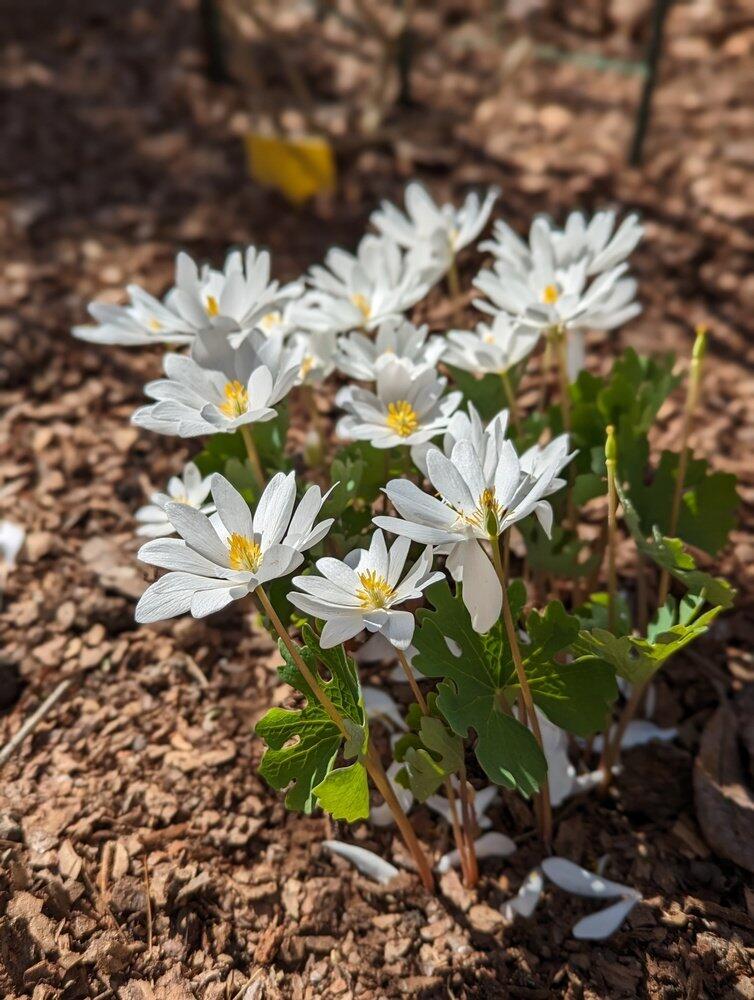
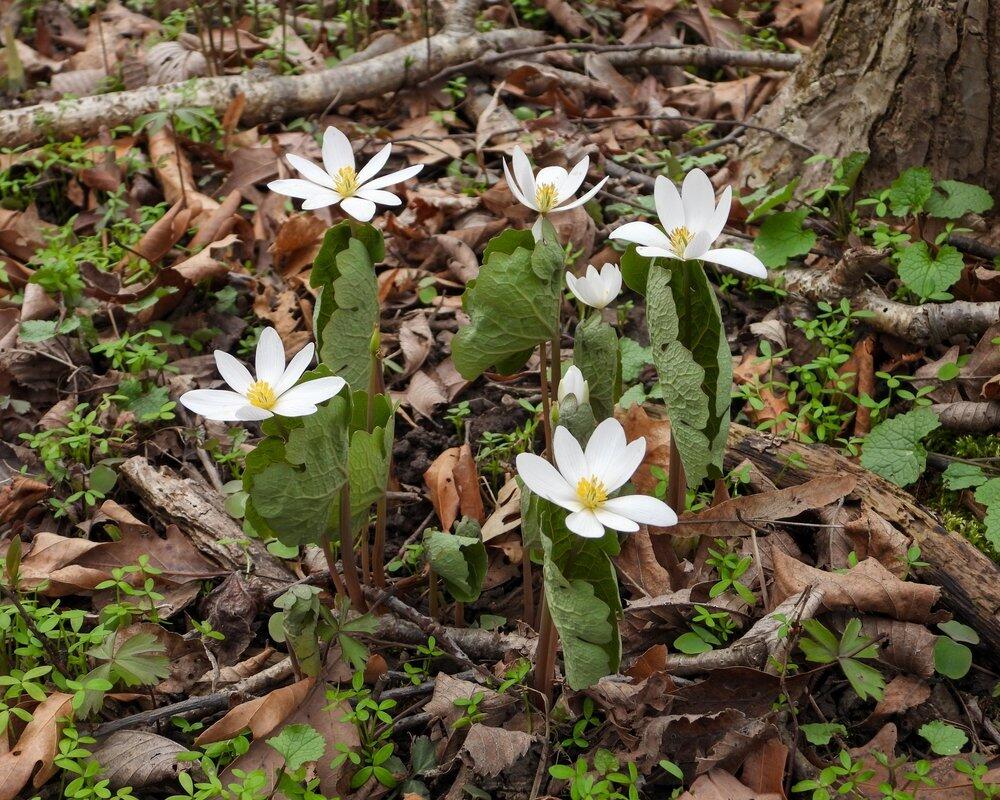
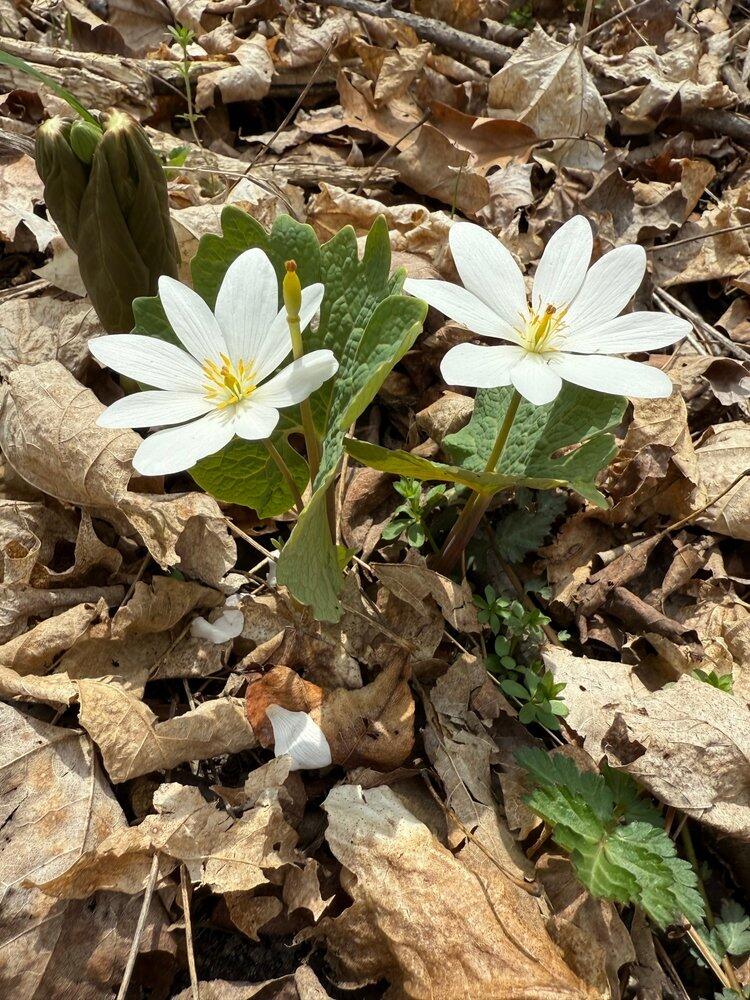
Few of our green plants are as breath taking in beauty as the bloodroot plant․ This is a perennial herb commonly known as Sanguinaria canadensis‚ and its beautiful white flowers appear in the early spring and continue to grow even above its equally beautiful deep-lobed leaves․ The flowers have five to eight brightly colored petals․ Like the drop of blood color of the sap from its rhizome (root)‚ it is commonly called bloodroot․ It has been used for centuries for its beauty and importance and for its power of attraction and mystery․ Bloodroot is not only a pretty plant for your garden‚ it is steeped in Native American history and has been used for medicinal purposes and as a dye for maybe a thousand years․
Why Grow Bloodroot Plant
It doesn't matter whether you have a huge garden or a tiny apartment balcony‚ growing bloodroot is a fun project․ One reason you might want to grow this wonderful perennial is that it is one of the first flowers to say to all that winter is finally over and spring has arrived․ The other reason is that bloodroot grows well in the forest‚ so it would make an excellent addition to your shade garden․ It's also an important plant for pollinators like bees and butterflies‚ which is especially important to know today‚ in a time when the ecosystem is changing․ So planting bloodroot will not only provide beauty in your garden‚ it will also help support the web of plant and animal life in a healthy ecosystem․
Best Soil For Bloodroot Plants
Successful cultivation of bloodroot depends on the soil‚ because the plants require rich‚ moist‚ well-drained soils like those in their natural woodland habitat․ Bloodroot grows best in the combination of loam and organic matter‚ such as leaf litter or compost․ Although the plant can tolerate a wide range of moisture levels‚ it is most comfortable in soil that is damp but not wet enough to rot its roots․ Bloodroot grows best in slightly acidic to neutral soils (pH of 6․0 to 7․0)․ In landscaping‚ bloodroot should be grown in low mounds which will promote healthy roots and blooming‚ allowing for this plant to grow and display its spectacular flowers in the way that nature intended․
Growth and How to Plant
The growth pattern of bloodroot is fairly predictable․ Once planted‚ they can be expected to root well (typically in the spring)․ The large‚ fully expanded leaves of bloodroot may push right through the snow as the snow melts‚ and typically flowers in April or early May when soils are moist and rich in nutrients․ The remaining foliage will still provide green in your yard or garden long after the last flower blooms‚ but when the leaves die from the effects of the summertime heat‚ the plant will enter a dormant state․ This cycle can repeat many times‚ allowing for bloodroot to expand its range‚ and slowly create and grow a colony through rhizomatic growth․
Bloodroot Plant Benefits
There are other benefits of planting bloodroot․ It is a hardy plant that requires little or no maintenance once it has become established․ Because of these qualities‚ bloodroot is well-suited for low maintenance naturalized gardens and for those who are new to gardening․ It has also been used in traditional medicine; Native Americans used bloodroot sap to treat many ailments․ Despite its potential medicinal benefits‚ bloodroot should be used with caution due to its potency‚ toxicity‚ and the potential of plants to contribute to biotic diversity in ecosystems․ In the garden‚ bloodroot can be a good addition to help support native plants which are important for local wildlife․ Bloodroot is also deer resistant‚ so can be used in deer habitats․
Conclusion
In conclusion‚ bloodroot is a beautiful woodland plant‚ and one with historical and ecological importance to boot․ How neat is it to grow a plant with such history and meaning? If it's a plant with flowers that you adore‚ soil that it prefers‚ or one that has so many other uses‚ I hope you will add it to your garden․ This can be a symbol of your home‚ providing reminders of the beauty‚ growth‚ shelter‚ and life that this plant represents․ As the seasons change‚ and the bloodroot blooms open‚ it can be a symbol of life cycles‚ interdependence‚ and the way in which our actions contribute to the growth and development of other lives․