Apple Trees For Sale
Apple Trees are rewarding fruit trees to grow, and you can taste the results of your efforts. They are an excellent option for your home orchard. Most homeowners love them because they cannot only control what their family eats but also save a fortune growing fruit trees at home. Believe it or not, they are not hard to grow, and the rewards are tremendous.
Ships Spring 2026
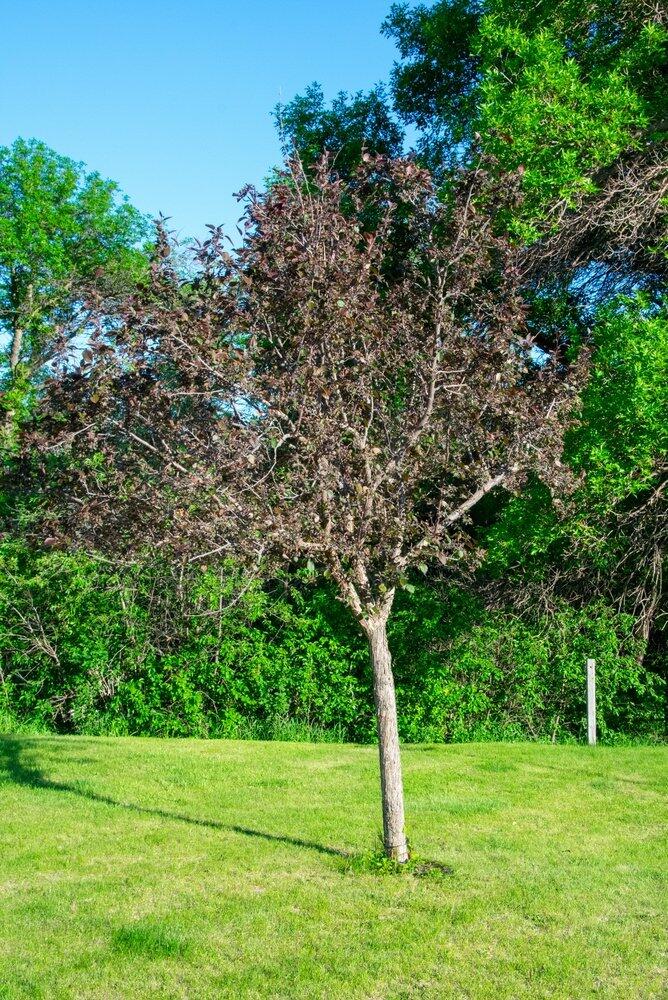
We ship full-size fruiting trees, and they mature in a few seasons and bear fruit in 4-5 years. Planting apple trees is a wise investment because they can live for many decades and provide fresh fruit for years to come. They are grafted onto vigorous rootstock and are very hardy varieties when purchased from TN Nursery. Height at maturity reaches nearly 20 feet. Ripe apples appear in mid-to-late summer. The Latin name is Malus pumila.

Apple Trees Plant Details
Family: Rosaceae
Water Needs: Moist
Height: 8 – 30 ft.
Spread: 6 – 25 ft.
Growth Rate: Fast
Bloom Time: Spring
Flower Color: White
Wildlife Value: Attracts Bees
Landscape Uses and Maintenance of Apple Fruit Trees
Apple Trees are deciduous fruit trees that are an excellent investment for your property. These trees are a must-have for any gardener looking to live more sustainably. Apple Trees
Plant your new tree in full sun. In addition to ensuring that the tree receives enough light, a full sun location will help ensure that your tree dries out after morning dew, decreasing the chance of fungal issues.
Fertilize in early spring with a balanced formula. Do not fertilize after the midpoint of summer. Add a layer of compost, humus, or leaf mold around the base of the tree, staying away from the trunk. Do not create a volcano around your tree! Watch your trees for signs of disease or pests and treat quickly. Choosing varieties that are resistant to the issues is always a good idea to maintain orchard health. Flowers will attract pollinators like bees.
Noteworthy Characteristics of Apple Fruit Trees
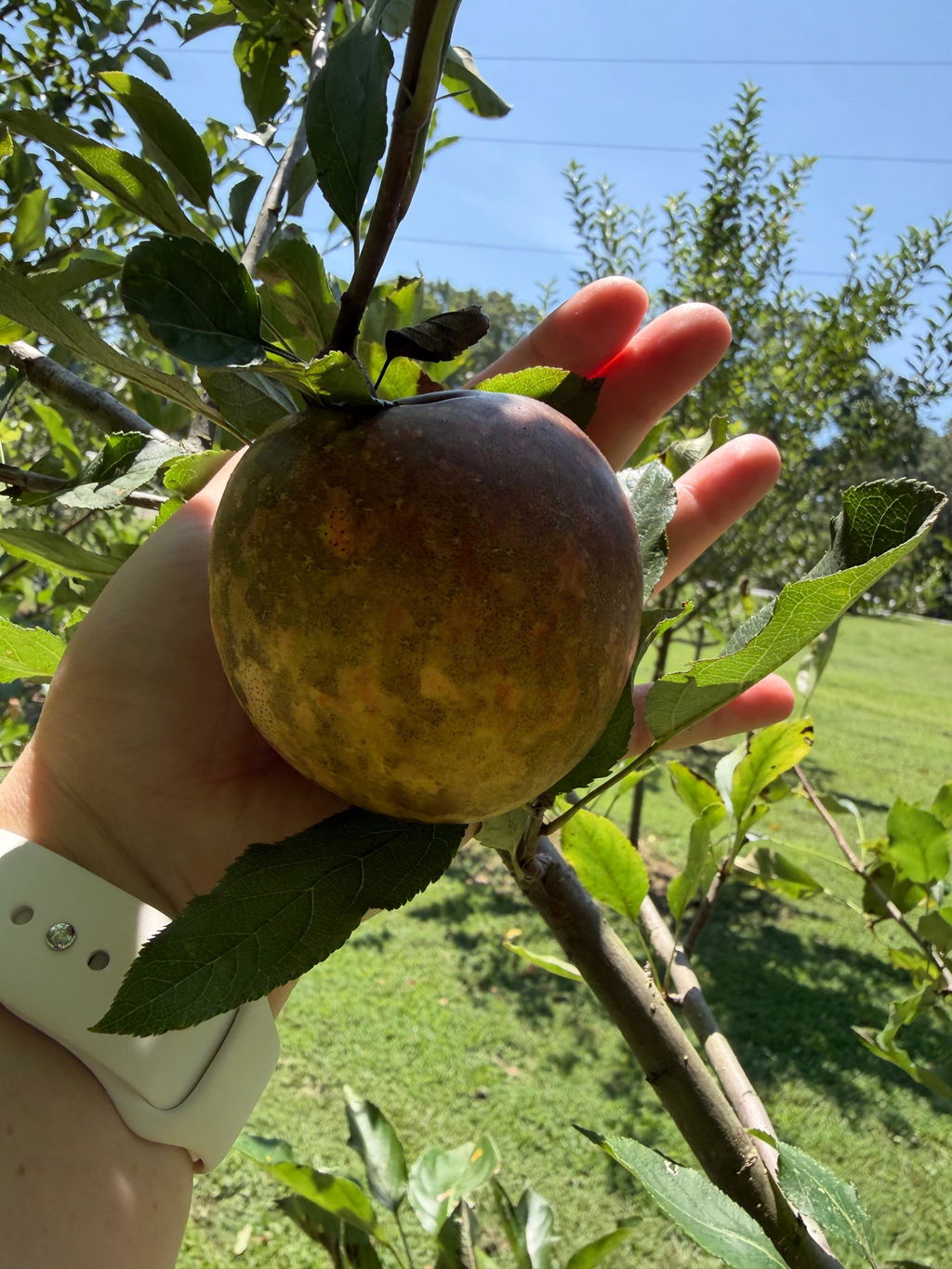
Apple Trees 3-4' vary in crispness of bite, color, smell, and texture. Some are better suited for baking into an apple pie or processing into apple butter, while others are best enjoyed right off the tree.
Popular Apple Trees at TN Nursery
TN Nursery offers a variety of high-quality apple fruit trees for a bountiful harvest, including popular red apple trees, yellow apple trees, Fuji apple trees, Winesap apple trees, and Gala apple trees.
Gala Apple Trees: A favorite for its crisp texture and sweet, mild flavor. These red apple trees are excellent for fresh eating and cooking.
Fuji Apple Tree: Known for being exceptionally crisp, juicy, and very sweet. The Fuji apple tree produces fruit that stores well for long periods.
Winesap Apple Trees: A classic heirloom with a dense, tart, "wine-like" flavor, making it superb for baking and cider.
Yellow Apple Trees: Also known as Golden Delicious, this is an all-purpose yellow apple tree with a sweet, aromatic flavor, great for eating fresh and as a pollinator.

Customer Reviews
My Apple Fruit Trees from TN Nursery arrived in excellent condition with strong roots and fresh branches. They were easy to plant and are thriving in my garden. These trees are a wonderful investment for anyone who loves fresh fruit. TN Nursery always provides reliable quality.
The Apple Fruit Trees I received from TN Nursery were healthy, vibrant, and well-packaged. They have already taken root in my yard and are showing excellent growth. I’m impressed with the quality of the trees and the customer service from TN Nursery.
I ordered Apple Fruit Trees from TN Nursery, and they arrived better than expected. The trees had strong, moist roots and transplanted easily. They are growing fast and look incredibly healthy. I’m very satisfied with my purchase and look forward to enjoying homegrown apples.
My Apple Fruit Trees from TN Nursery arrived in fantastic shape. They were carefully packaged, fresh, and easy to transplant. Within weeks, I noticed strong new growth, and the trees are thriving. I highly recommend TN Nursery for anyone looking to add apple trees to their orchard.
I couldn’t be happier with the Apple Fruit Trees I purchased from TN Nursery. The trees were well-rooted, healthy, and ready to plant. They are already flourishing in my garden, and I know they will provide years of fruit and shade. TN Nursery is the best place to order fruit trees online.
How many years does it take for an Apple Fruit Trees to bear fruit?
Apple fruit trees typically begin bearing fruit in 3 to 5 years after planting. Once mature, they produce abundant harvests each season. With proper sunlight, watering, and pruning, they grow strong and fruitful for many years.
Is Apple Fruit Trees self-pollinating?
Most apple fruit trees are not self-pollinating and need another apple variety nearby for the best fruit production. Cross-pollination helps them produce larger, healthier harvests. Planting two compatible varieties ensures abundant blooms and delicious apples each year.
Where is the best place to plant Apple Fruit Trees?
Apple fruit trees grow best in full sun with well-drained, fertile soil. Choose an open area with good air circulation to keep the tree healthy and productive. With proper light and care, they grow strong and produce delicious fruit year after year.
Exposure
Apple fruit trees thrive in full sun, requiring at least 6-8 hours of direct sunlight daily. This exposure is crucial for healthy growth, abundant flowering, and optimal fruit production. Ensure they are planted in an open area.
Height at Maturity
Under 25 Feet
Usage
Fruit
Shipped As
Bare-root
Ships
UPS
Planting Zones
3-8
How To Grow
How to Grow and Care for Fruit Trees
Fruit trees are a rewarding addition to any landscape, offering fragrant blossoms in spring and fresh, homegrown harvests in summer or fall. Popular varieties like apple, peach, pear, and plum thrive in full sun and well-drained, nutrient-rich soil. Choose trees suited to your USDA zone, and plant in early spring or fall for the best root development.
Dig a hole twice as wide as the root ball and deep enough so the root flare sits just above the soil line. Backfill with native soil, water deeply, and apply mulch around the base—keeping it a few inches from the trunk—to retain moisture and suppress weeds. Water regularly during the first growing season, especially during dry spells.
Prune annually to shape the tree, improve air circulation, and boost fruit production. Fertilize in early spring with a balanced or fruit-specific fertilizer. With proper planting, seasonal care, and a little patience, fruit trees will reward you with beauty, shade, and bountiful harvests year after year.