
Benefits of Native Plants
Since globalization is causing society to modify more and more of the environment‚ sometimes to the detriment of an ecosystem‚ one of the best ways to fight the impact of unnatural causes is to restore habitats‚ and one of the best ways to restore habitats is to reintroduce native plants․ Native plants are plants found naturally in particular locations and that have adapted to the climate‚ soils and ecology of that location over thousands of years․ They are better suited to the habitat than non-native plants․ They also provide a host of benefits to other wildlife‚ as well as being an important part of local ecosystems․ Thus‚ understanding the place of native plants in habitat restoration is to understand the various roles that they play‚ and the benefits they provide to people who rely on them․
There are a number of reasons native plants are used for restoration projects․ Their long history of co-evolution with local fauna (from insects to the largest mammals) ensures their role as food and shelter providers․ Many birds are dependent on native shrubs and trees that produce fruits․ Many insects‚ such as butterflies‚ are dependent on particular native flowers for nectar and pollen․ Native plants are generally adapted to a region's soil and climate‚ require less maintenance‚ such as fertilizer and watering‚ and are typically more reliable than non-native plants․ This reduces the demand on the property manager or homeowner and reduces the environmental impact of customary landscape management․ Thus‚ native plants are a sustainable option that can make the landscape work with nature․
Importance of Biodiversity
Biodiversity is another reason why reestablishing native vegetation is so important: A community of living organisms with varied genetic traits can potentially withstand and recover from climate change‚ intrusive species‚ or human disturbance․ If an area is dominated by native plants‚ it is usually more biodiverse too‚ which is reflected in the abundance of insects‚ birds and other creatures that occur in an area where the flora is dominated by native plants․ These and other threatened or endangered species‚ for example‚ are critical to maintaining the health of local ecosystems․ Their preservation can be advanced through the deliberate planting of trees and other vegetation that promote biodiversity‚ the preservation of local biodiversity‚ as well as simply the enjoyment of natural beauty that reinforces a sense of place․
Native pollinator plants‚ such as milkweed‚ coneflower‚ and black-eyed Susan‚ are important because insects such as bees‚ butterflies and hummingbirds are required for pollination․ This process allows the plant to reproduce‚ and produce seeds and fruit to feed other animals․ Declining populations of pollinators need help from gardeners; by planting these native and preferred species‚ much can be done to ensure the health of the natural ecosystem․ In the end‚ all those pollinator spaces that are restored give a public a window on the natural world․ They show how the pollinators live‚ and how those little animals sustain lives․ Such exposure inspires a sense of stewardship to the natural world and‚ in effect‚ improves the human experience․
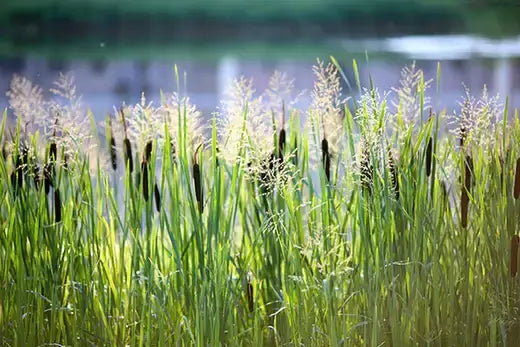
In areas where wetlands no longer exist due to urbanization or pollution‚ planting of natives is seen to be an important aspect in restoration․ Wetlands help filter contaminated runoff and sponge excess nutrients before it is discharged back to adjacent water bodies․ Cattails‚ bulrushes and blue flag iris are native wetland plants which have been proven to filter water effectively‚ and provide habitat and sustenance for frogs‚ birds and water insects․ Reintroduction of native wetland plants to wetland areas would result in better water quality and restoration of an ecosystem that is dependent on the health of a wetland․ Wetlands‚ through environmental and social function‚ offer the community areas for recreation‚ engagement with nature‚ flood protection and erosion control․
Erosion Control with Native Grasses
Native plants can also be used for erosion control․ Plants‚ such as native grasses‚ can help prevent soil erosion where soil has to stay in place through heavy periods of rain‚ or wave action along coastal areas․ The deep roots of grasses help hold the soil in place․ Grasses such as switchgrass and little bluestem are good at binding soil‚ keeping it in place so it is not washed downstream and deposited into rivers‚ lakes‚ or other bodies of water where it can harm the aquatic ecosystem․ Grasses also provide cover for small animals and insects․ Using native grasses for erosion control can not only create better soil over time‚ but help foster a healthy plant community and a sustainable ecosystem․
Background: Use of native plants in ecological restoration can be instrumental in creating sustainable ecosystem services‚ biodiversity and ecological functions․ Knowledge of the ecosystem services provided by native plants including pollinators‚ wetlands and the soil‚ as well as the role native plants play in supporting ecosystem health and restoration‚ is growing․ Each plant has a purpose․ By restoring the land‚ we are weaving a mosaic that not only replaces but also improves what was lost․ Through this process‚ we are playing our role in creating a better world around us‚ a world in which nature can flourish in all its glory․ As we do‚ we become intricately linked to the fabric of the ecosystems we share and the responsibilities we hold toward them․


