Jimmy Whitehead
I received them in great shape and they were as healthy as they could be!! Love them!

Peach Tree
Ships in Spring 2027
5-9
Under 25 Feet
Low
Full sun
Spring/Early Summer
Peach fruit trees need well-drained soil and regular watering. They should be pruned annually to remove dead or crowded branches and shape the tree. In early spring, they should be fertilized with a balanced fertilizer and protected from pests with organic sprays as needed.
Peach fruit trees thrive in full sun, needing at least 6 to 8 hours daily. Ample sunlight ensures healthy growth, abundant fruit production, and disease resistance, making total sun exposure essential for optimal tree development and fruit yield.
Pollination support & culinary delights , Disease Prevention & environmental benefits, Fruit trees saves money & disease prevention
Jimmy Whitehead
I received them in great shape and they were as healthy as they could be!! Love them!
Darwin
Fast shipping and great trees so far! Looking forward to seeing what develops this year!
Herbert Hensley
Peach Fruit Tree
About this plant
The Peach Fruit Tree (Prunus persica) will make a great addition to your landscape or orchard. Enjoy fresh peaches right off the tree, warm and sweetened by sunshine. Peach blossoms are the beautiful, fragrant flowers of the peach tree (Prunus persica), a deciduous tree belonging to the rose family (Rosaceae).
Family: Rosaceae
Light Requirement: Full Sun
Water Needs: Moist
Height: 12 - 20 ft.
Spread: 15 - 20 ft.
Growth Rate: Slow
Bloom Time: Spring
Flower Color: Pink
Wildlife Value: Attracts bees
Peachy keen? The Peach Fruit Trees will make peaches your new favorite fruit, if it isn't already!
These trees are high maintenance and need substantial care, so be ready to commit and give this tree TLC through the seasons. They have light pink to white flowers that bloom in spring.
Give this tree a location that has full sun.
Plant in a well-draining area in sandy to loamy soil. Avoid planting them in heavy clay or compacted soil.
Thin out trees in very late winter or very early spring to decrease overall fruit count and have better fruit size. It is better to harvest fewer fruits that are high quality, than to have many low-quality fruits and be disappointed by the flavor or size.
Give your trees a balanced fertilizer in spring to ensure optimal health.
Water regularly and very thoroughly when you first bring this tree home until well established, and then let Mother Nature do her job. This tree will need plenty of consistent watering, especially during drought. Remember, the insides of your juicy peaches are made up of mostly water.
Peach Fruit Tree is not disease or pest-resistant, so watch for signs of fungal or pest presence and treat accordingly. Watch closely for signs of peach tree borer, including frass and breaks in the bark.
Should I get one or two? The Peach Fruit Tree is self-pollinating, so you can plant one tree and still have fruit to harvest. Plant one tree of each of your favorite varieties to grow your own orchard and enjoy fresh fruit, without worrying about the last time pesticides were used before harvest.
Wait until Late Winter/Early Spring: The goal is to prune as late as possible during the dormant season. This is typically February or early March in many regions.
Avoid Early Winter/Fall: Pruning too early (in the fall or early winter) can significantly reduce the tree's cold-hardiness for up to a few weeks, making it vulnerable to severe cold snaps and increasing the risk of cold injury, dieback, and disease (like bacterial canker).
Watch the Forecast: Do not prune if severe cold weather is predicted within the following two weeks. It's better to prune a little late (even during bloom) than too early.
Dormancy is Key: Pruning while dormant encourages vigorous new growth in the spring, and this is where next year's fruit will be produced (peaches fruit on one-year-old wood).

Since 1959, TN Nursery has grown and shipped quality bare root plants nationwide. Shipped during dormancy, bare-root plants develop strong root systems and establish quickly. Our experienced team carefully harvests and packages every order, providing growers with trusted plants backed by over 65 years of nursery experience.
Learn More About
Bare root trees
Delicious Fresh Peaches:
Enjoy the taste of homegrown, juicy peaches right from your garden, perfect for snacking, baking, and cooking.
Healthy Harvest:
Peaches are rich in vitamins and antioxidants, making them a nutritious addition to your diet straight from your backyard.
Beautiful Blossoms:
The Peach Tree produces stunning pink or white flowers in spring, adding a vibrant splash of color to your landscape.
Attracts Pollinators:
The fragrant blooms of the Peach Tree attract bees and butterflies, supporting a healthy garden ecosystem.
Fall Digging
Spring Digging
Packing Orders
Customer Unboxing Video
Product Highlight
Mine peach tree is doing real good.
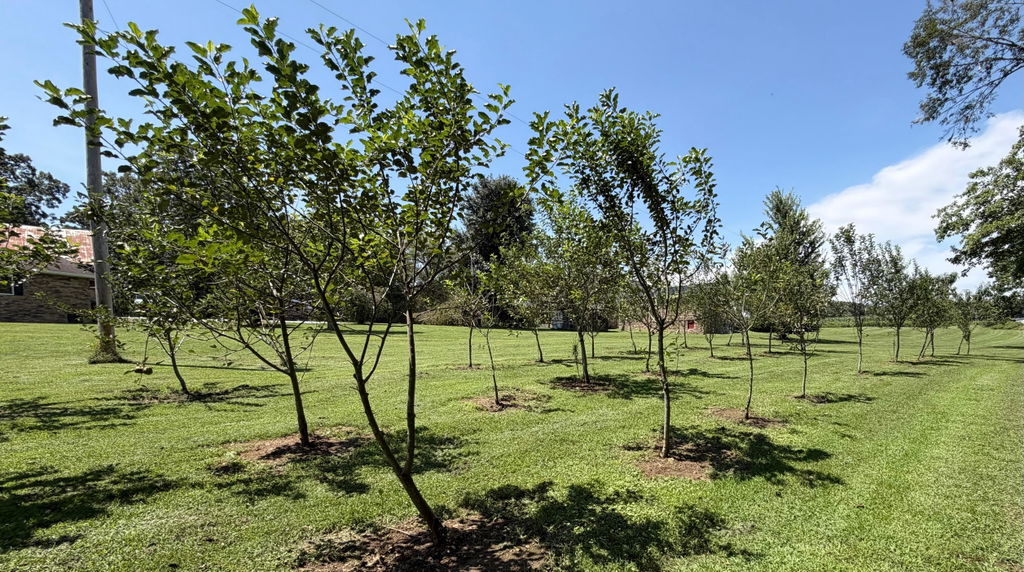
Would you believe me if I told you this whole Orchard costed under $300? It’s three years old now I use TN Nursery all of the time. I will see a lot of money come out of this orchard. Thanks TN
Shipping was way faster than I ever expected! I planted on Feb 28th and by March 17th they both had sprouted leaves and a flower. Also the price was great. I’m so glad I took a change with this company.
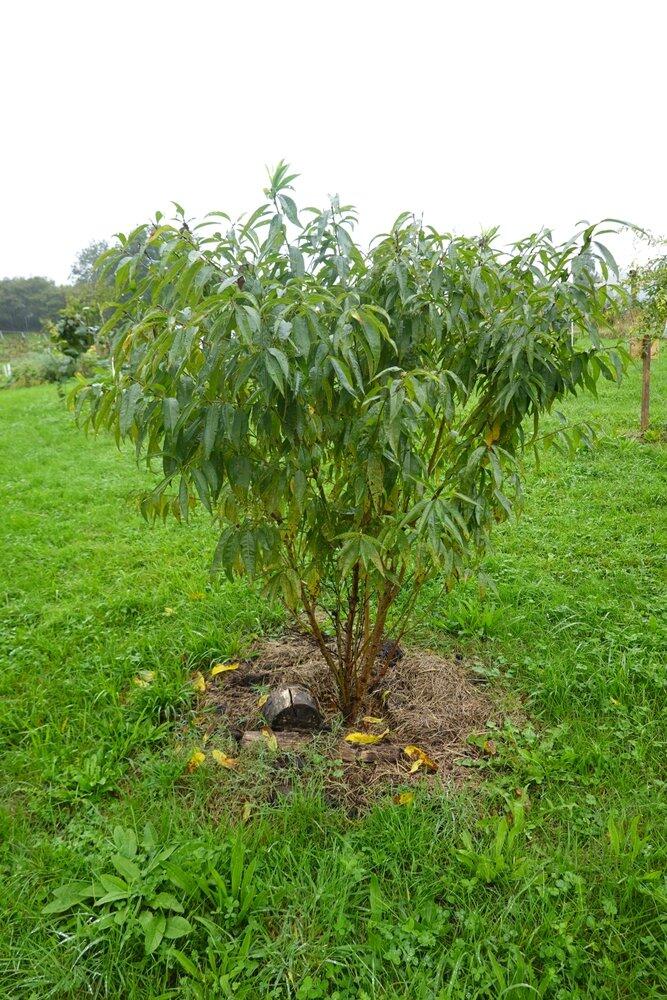
About a month ago, I received 2 Red Haven peach trees and planted them the same day. Today, I noticed each has grown 5 or 7 new branches! I was seeing new leaves and knew they were getting rooted in well, but now we have branches!
These Red Haven ladies have pride of place in the big garden, about 25 feet apart in the sunniest, hottest part of the garden, but still within 20 feet of the water hydrant.
I am so looking forward to those freestone fruits! Meanwhile, when they get a bit of size on them, they can throw light shade on some of the other garden plants. I have planted comfrey and clover all around them. :D
They let me know when weather conditions caused a slight delay in shipping to ensure my trees arrived in the best condition. The trees arrived looking healthier than ones I bought from other nurseries last year. Will definitely be purchasing from here again.
Received an order of peach trees in early March, in four months I have one probably eight foot tall already.
TN Nursery delivered beautiful Peach Fruit Trees that arrived fresh and vibrant. The trees were well-rooted and easy to plant. They’ve taken to the soil quickly and are thriving in my orchard. TN Nursery provides top-notch quality and excellent service every time.
I’m thrilled with my Peach Fruit Trees from TN Nursery. They arrived quickly, in excellent condition, and transplanted without any issues. The trees are already producing strong shoots and healthy leaves. I can’t wait for the delicious peaches these trees will yield in the future.
My experience with TN Nursery was excellent. The Peach Fruit Trees I purchased arrived healthy and ready to plant. They were packaged with care, and the roots were in great shape. After planting, they adjusted quickly and are thriving. TN Nursery offers unbeatable quality for the price.
The Peach Fruit Trees I ordered from TN Nursery exceeded my expectations. They were shipped promptly, arrived fresh, and had strong root systems. They have already adapted well to my garden and are growing new leaves. I’m confident they’ll produce an abundant crop in the years to come.
I couldn’t be happier with my Peach Fruit Trees from TN Nursery. The trees arrived healthy, vibrant, and well-packed. They established quickly in my soil and are growing beautifully. These trees will bring years of delicious harvests, and I trust TN Nursery for all my fruit tree needs.
My Peach Fruit Trees from TN Nursery arrived in excellent condition. The packaging was secure, and the roots were moist and strong. They transplanted easily and are already showing healthy green leaves. The service was outstanding, and I will definitely order more fruit trees from TN Nursery in the future.
I ordered Peach Fruit Trees from TN Nursery, and they arrived fresh, carefully packed, and ready to plant. The root systems were strong, and within weeks of planting, I saw new growth. These trees are vigorous, healthy, and a great addition to my orchard. I’m excited for the sweet peaches they will produce in the coming seasons.
My trees have been In the ground less than a week and they are already starting to leaf out
I received them in great shape and they were as healthy as they could be!! Love them!
Fast shipping and great trees so far! Looking forward to seeing what develops this year!
Peach Fruit Tree
My peach trees arrived on time and were very healthy!
Was a great product
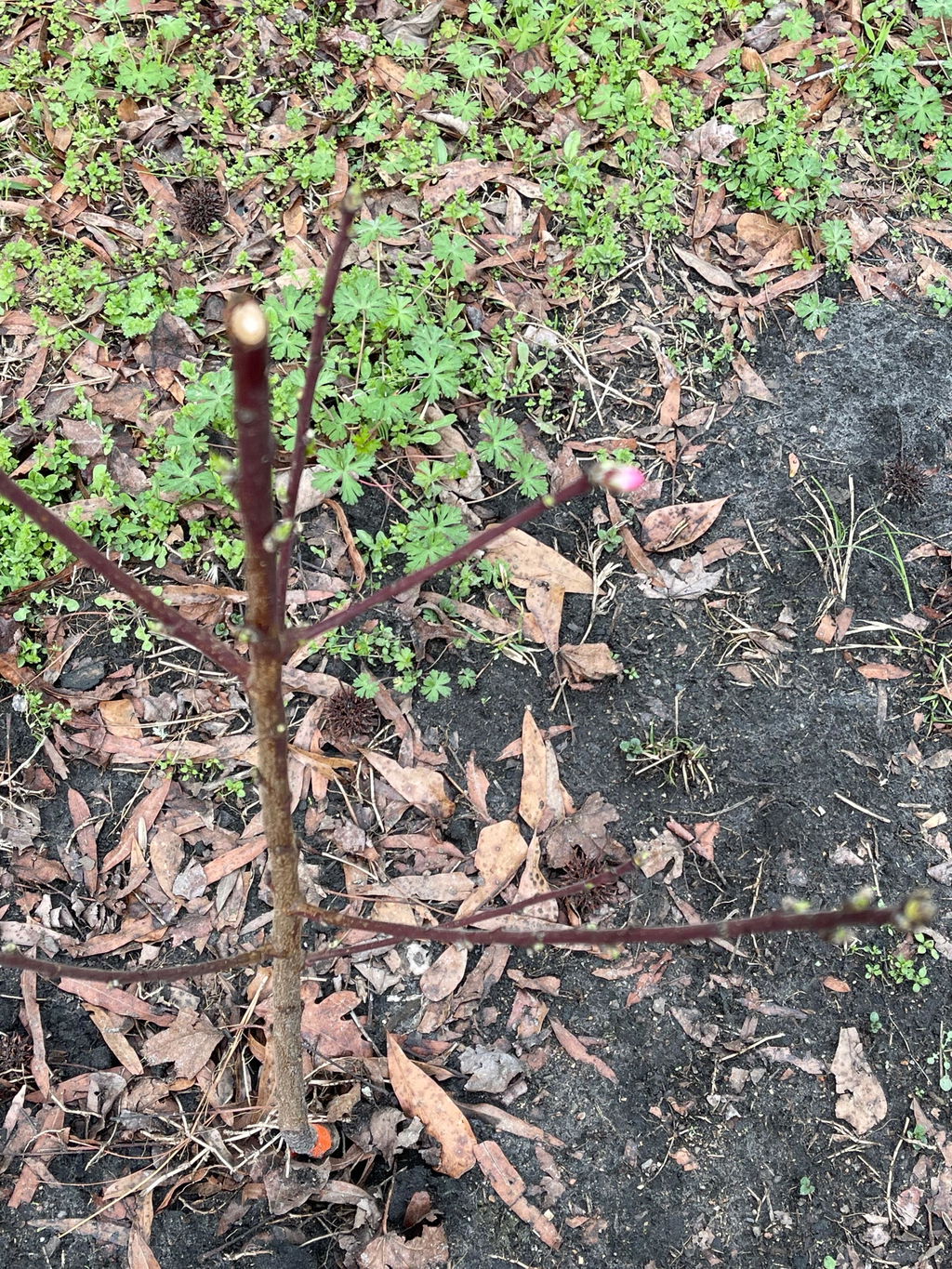
Packaging was great. Trees came in dormant state, but nice trunks. Buds are now popping out. Have already placed another order from this shop. Thrilled with our purchase!
I love my little peach trees! I got the Belle of Georgia and Early Elberta. Great price for 4' trees. They look healthy and I can't wait to harvest my home grown peaches!
No opinion on this shipment since I haven't received it yet. But very satisfied with previous shipments.
Plants came in great shape, I planted them right away. Waiting for warm weather and for frees to wake up. Highly recommend this nursery.
So I got my orders today and they all were packed nicely, I even got extra trees more than what ordered I wasn't expecting that and I love it. They were packed neatly and came in great condition. Now when ordering keep in mind these aren't the trees you get at the hardware store they are on the smaller side but that is what makes it a great deal.
Too soon to tell anything
Arrived exactly as expected. Can’t wait to see what these little guys do!
I just planted them so I’ll see what will happen. I hope they grow in large pots cause my back yard is not that big. I got the Georgia and Elberta peach roots. They arrived healthy and lots of roots so cross your fingers.
I will be planting them tomorrow. I was expecting larger trunks but I am thankful for the apricot trees as I have looked for them for a long time. I also appreciate the 2 free peach trees. Thank you and I will keep in touch and let you know how they do.
Nice pretty trees..will be ordering different ones soon
Cant complain. Came healthy and planted when arrived !!
Fruiting Peach Tree
Very Health Peach Trees. I am impressed every time I order Trees from TN Nursery. They have really good healthy Bare Root Trees that come alive and leaf out quick. These peach Trees look like they just came out of the ground and still have Leafs on them already. Very exiting, I think they will take off quick...