Elderberry Tree Details
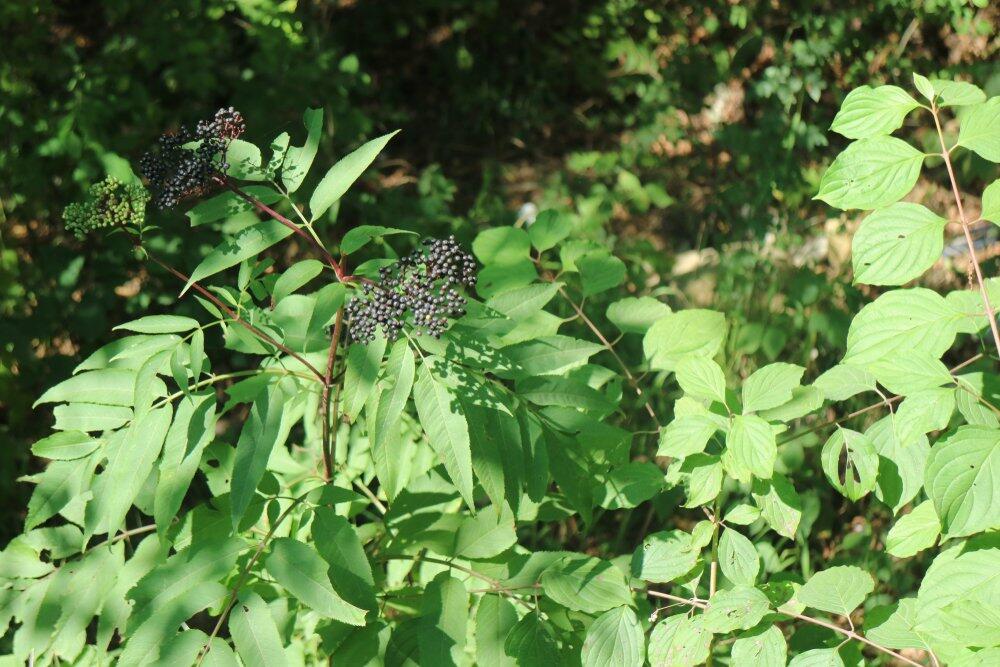
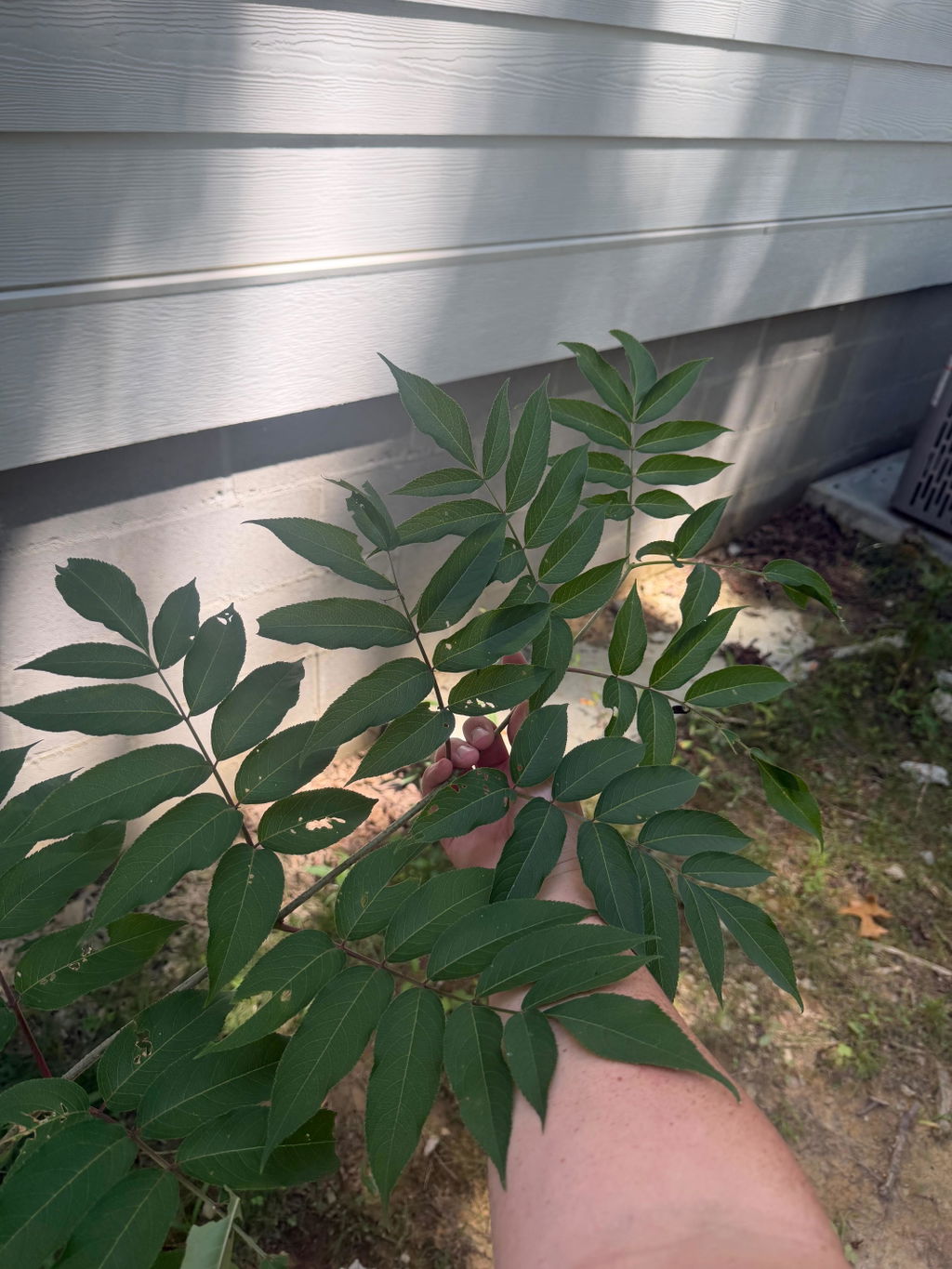
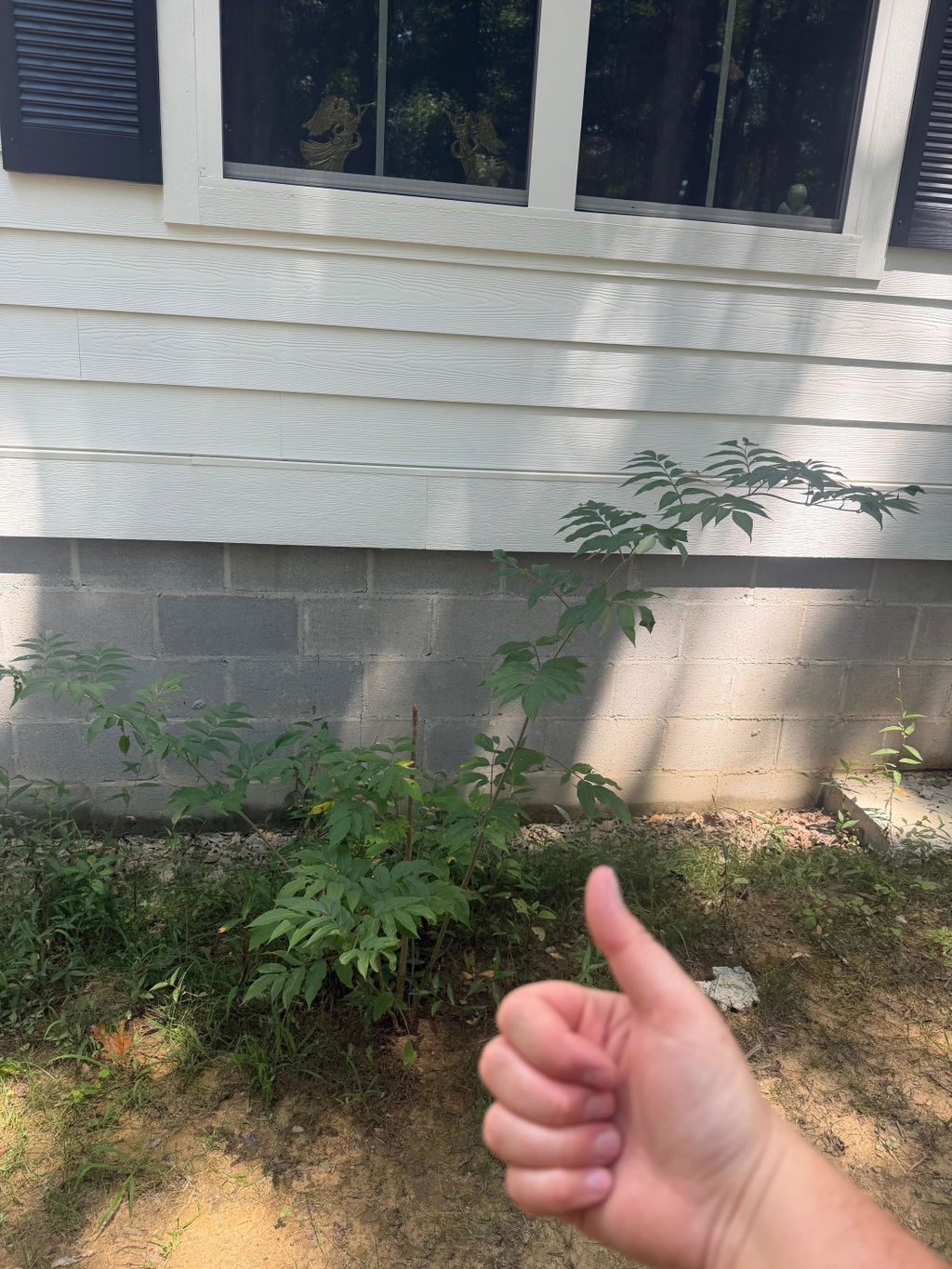
Elderberry - Sambucus Canadensis
Elderberry Trees (Sambucus spp.) are an excellent choice for home gardeners, edible landscapers, homesteaders, and anyone who enjoys supporting wildlife. At TN Nursery, we have decades of experience growing elderberries that thrive in various climates.
Since 1959, our nursery has supplied plants to prominent locations such as the Washington Monument and Arlington National Cemetery. When you buy elderberry trees from TN Nursery, you get healthy, productive plants grown with expert care.
Why Elderberry Trees Are a Must-Have for Fruit Gardeners
Elderberries are renowned for their high yields, rapid growth, and ability to thrive in a wide range of conditions. These sturdy shrubs produce lots of deep purple berries, perfect for making jams, syrups, teas, wines, and herbal remedies.
This native tree also features attractive white flowers in the spring, attracts wildlife, and serves well as a natural hedge. They grow easily in different soils, including clay, loam, and moist spots, making them simple to plant almost anywhere.
TN Nursery’s Elderberry Trees: Quality You Can Trust
TN Nursery grows and ships all plants straight from our Tennessee farm, so you get strong, freshly dug bare-root elderberry trees with healthy roots. Bare-root plants settle in faster, grow better, and adjust to your soil more quickly than container plants.
We select each elderberry variety for its disease resistance, high yields, and cold hardiness. Our quality standards, developed over 65 years, help us deliver plants you can count on.
Top Benefits of Planting Elderberry Trees
- Fast Growth Rate: Elderberries can reach maturity quickly, giving you fruit within a short time.
- High Yields: Heavy clusters of berries offer exceptional harvests every season.
- Wildlife Friendly: Birds, pollinators, and beneficial insects love elderberry flowers and fruit.
- Cold Hardy & Adaptable: Elderberries thrive in zones 3–9 and tolerate wet soils better than most fruiting plants.
- Great for Hedgerows: Their dense growth habit makes them perfect for natural screening.
Ideal Growing Conditions for Elderberry Trees
Elderberries thrive best in full sun or partial shade and prefer rich, moist, and well-draining soil. They often thrive where other fruit trees have trouble, especially in wetter spots. For the best berry harvest, plant two or more elderberry varieties to help with cross-pollination. Elderberries are easy to prune and shape, making them a suitable choice even for new gardeners.
How to Plant Elderberry Trees for Best Results
- Plant during dormancy (fall through early spring) for strongest root establishment.
- Dig a wide hole to loosen the soil around the planting area.
- Set the bare-root tree at the same depth it grew in the nursery.
- Backfill, water deeply, and apply a layer of mulch around the base.
- Prune lightly the first year to encourage branching and berry production.
Elderberry Trees and Ecological Benefits
These trees play an essential role in supporting local ecosystems. Their spring flowers attract pollinators such as native bees and butterflies, while the abundant berries feed songbirds and wildlife throughout summer.
Planting them helps restore natural habitats, enhances biodiversity, and contributes to healthier soil and water systems. TN Nursery proudly supports ecological planting by offering native elderberry varieties grown with sustainable horticultural practices.
Why Buy Elderberry Trees from TN Nursery?
At TN Nursery, our horticultural team has refined the art of growing quality elderberries. People choose us because we ship quickly, offer direct-from-grower prices, and always aim for top quality. Our experience and attention to detail mean we help you succeed in your garden. When you plant with TN Nursery, you can feel confident in your choice. These trees are known for their fast growth pattern and early fruit production.
Are elderberry trees easy to grow?
Extremely. They tolerate various soil types, thrive in moist areas, and require minimal maintenance.
Do you need two elderberry trees for fruit?
Planting two varieties increases cross-pollination and significantly boosts yields.
When is the best time to plant elderberry trees?
Plant elderberry trees during the dormant season, from late fall through early spring, for the best results.