Skip to product information

Winterberry Holly

Winterberry Holly is a native deciduous holly shrub known for its bright red berries that persist through winter. Unlike evergreen hollies, it drops its leaves in fall, leaving stems covered in berries in the fall and winter for year-round beauty. Birds love to eat the bright red berries in the winter season when the shrub is aglow. Berries on this decorated shrub form in late summer and turn bright red in fall. They usually last through winter unless birds eat them first. a perfect plant for bird watchers because they flock to it for food in the cold winter months.

$42.99
Height Shipped
Quantity

Add 1 and we will send you the 2nd product automatically

Fast Shipping Nationwide
Healthy Bare Rooted
Safe Ship Moisture Packed
Guaranteed Grower Direct

Hassle-Free Guarantee

WE GUARANTEE ALL PLANTS TO ARRIVE IN EXCELLENT CONDITION

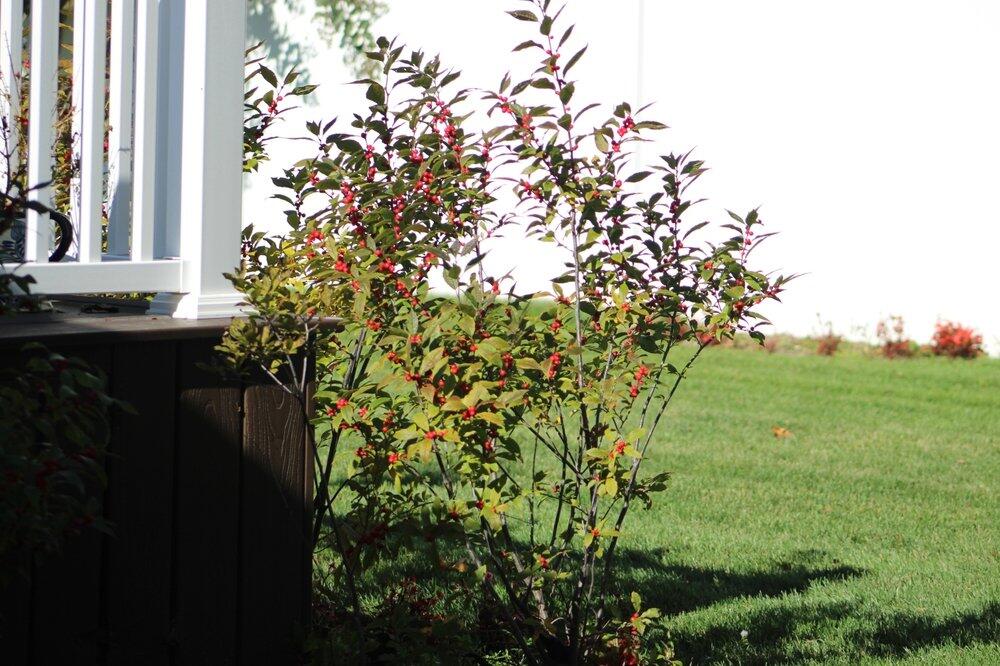
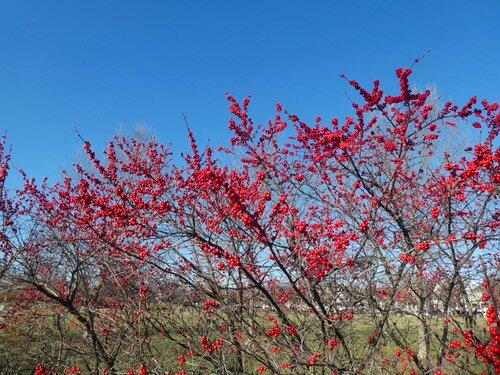
A vibrant red winterberry holly bush with dense clusters of glossy round berries on slender brown branches
1/5

Planting & Growing Information

Ships

Ships Between November 15-29

Planting Zone

Hardy in USDA Zones 5–9

Height at Maturity

10–15 feet

Water Needs

Moderate

Sun or Shade

Full sun and Partial shade

Bloom Season

Late Spring to Early Summer

Care

Easy to grow with minimal maintenance once established. Provide consistent moisture during the first year to encourage strong root growth.

Exposure

Full Sun to Partial Shade

Plant Attributes

Sold in 5 Packs , Plant Size: 6–18 Inches Tall, Attracts Rare Pollinators (Henry’s Elfin, native bees, beetles)

Winterberry Holly is a native deciduous holly shrub known for its bright red berries that persist through winter. Unlike evergreen hollies, it drops its leaves in fall, leaving stems covered in berries in the fall and winter for year-round beauty. Birds love to eat the bright red berries in the winter season when the shrub is aglow. Berries on this decorated shrub form in late summer and turn bright red in fall. They usually last through winter unless birds eat them first. a perfect plant for bird watchers because they flock to it for food in the cold winter months.

Planting & Growing Information

Ships

Ships Between November 15-29

Planting Zone

Hardy in USDA Zones 5–9

Height at Maturity

10–15 feet

Water Needs

Moderate

Sun or Shade

Full sun and Partial shade

Bloom Season

Late Spring to Early Summer

Care

Easy to grow with minimal maintenance once established. Provide consistent moisture during the first year to encourage strong root growth.

Exposure

Full Sun to Partial Shade

Plant Attributes

Sold in 5 Packs , Plant Size: 6–18 Inches Tall, Attracts Rare Pollinators (Henry’s Elfin, native bees, beetles)

Product Details

Winterberry Holly Has Vibrant Red Berries in Winter

Winterberry Holly (Ilex verticillata) is a native deciduous holly shrub that is known for its bright red berries that last through winter. Unlike evergreen hollies, it drops its leaves in fall, leaving stems covered in berries in the fall and winter for year-round beauty.

Berries on this decorated shrub form in late summer and turn bright red in fall. They usually last through winter unless birds eat them first. a perfect plant for bird atachers because they flock to it for food in the cold winter months.

These highly decorated shrubs reach heights of nearly 10 feet in height and width, making them easy to care for without overgrowth. They thrive in moist, slightly acidic soil and tolerate wet areas. It’s perfect for rain gardens or low spots.

This shrub is best pruned in late winter or early spring before new growth begins.

This sizing enables gardeners to establish a robust stand of hollies that will thrive and develop into attractive, wildlife-friendly shrubs. In spring, it produces small but nectar-rich flowers that support a variety of pollinators. While honeybees and bumblebees are frequent visitors, what makes this plant remarkable is its appeal to less common species.

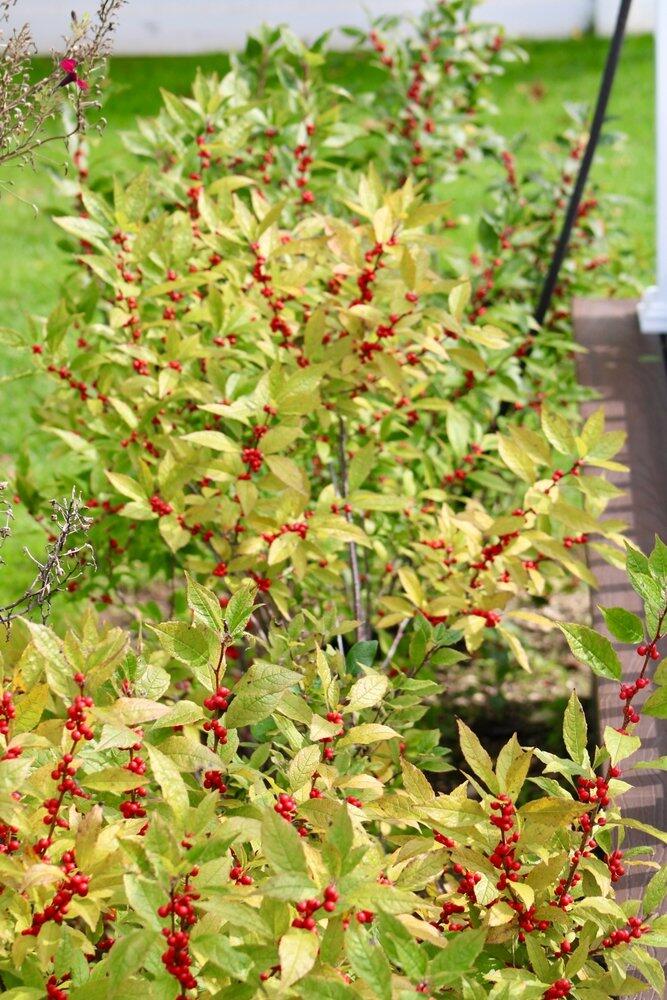
Vibrant Winterberry Shrub with red berries, slender branches and dense foliage in garden bed.

The Henry's Elfin butterfly, a rarity in many gardens, uses hollies as a host plant. Their caterpillars feed on the leaves, while adults sip from the nectar. Several native solitary bees, often overlooked in discussions about pollinators, are also drawn to these flowers, helping to sustain their fragile populations. In addition, uncommon beetles and tiny beneficial wasps utilize hollies as a source of food and shelter, making the shrub an understated hub of biodiversity.

Winterberry Holly Is one of the most sought after shrubs

Our Ilex Verticillata winterberry shrubs provide an easy and affordable way to plant Deciduous Hollies in groups, where their visual and ecological impact is most striking. By fall, clusters of red berries replace the blossoms, standing out against the bare branches and remaining through much of the winter.

These berries are more than ornamental, they are a vital food source for birds such as cedar waxwings, robins, and thrushes when other resources are scarce. As a result, planting Deciduous Hollies supports bird populations during critical times of the year. Gardeners also appreciate the adaptability of Deciduous Holly.

Winterberry Holly Shrub Benefits for Wildlife and Rare Insects

When you add Winterberry Shrubs to your landscape, you aren't just planting a shrub, you're creating habitat. From rare butterflies to essential pollinators and hungry winter birds, this plant provides life-sustaining benefits that go far beyond its ornamental value. Planting it is a simple way to enjoy vibrant seasonal color while contributing to the health of your local ecosystem.

What your winterberry shrub will look like when you receive it

Bare-root Winterberry Shrub with slender branches and tangled brown roots

Brilliant Winter Berry Display:

Winterberry Holly produces vibrant red berries that persist into winter, creating striking color when most landscapes are dormant.

Attracts Seasonal Wildlife:

The berries provide an important food source for birds and other wildlife during the colder months.

Deciduous Holly Interest:

Unlike most hollies, it drops its leaves in fall, allowing the bright berries to stand out even more prominently on bare branches.

Excellent Landscape Accent:

Winterberry Holly works beautifully in mass plantings, hedges, and naturalized areas, adding seasonal structure and color.

Frequently Asked Questions

What are holly leaves used for?

Holly leaves are often used for decorative and traditional purposes. They’re popular in holiday wreaths, garlands, and table arrangements because of their glossy green color and sharp shape. They also serve as symbolic plants, representing protection and eternal life in folklore. Overall, holly leaves are valued mainly for their beauty and cultural significance.

How long does holly live?

Holly plants are long-lived evergreens, often surviving for 50 years or more with proper care. Some larger tree varieties, like English holly, can even live up to a century. Their lifespan depends on growing conditions, such as sunlight, soil quality, and watering habits. Regular pruning and protection from pests help extend their life. When planted in the right spot, holly can stay healthy and attractive for decades.

Can you grow holly from cuttings?

Yes, holly can be grown from semi-hardwood cuttings, which are taken in late summer or early autumn. Choose healthy stems about 4–6 inches long, remove the lower leaves, and dip the cut end in rooting hormone. Plant the cuttings in a moist, well-draining mix of peat and sand. Keep them warm and humid until roots develop, usually in a few months. Once rooted, transplant them into pots or directly outdoors in spring.

Why Buy Bare Root Plants From TN Nursery?

Since 1959, TN Nursery has grown and shipped quality bare root plants nationwide. Shipped during dormancy, bare-root plants develop strong root systems and establish quickly. Our experienced team carefully harvests and packages every order, providing growers with trusted plants backed by over 65 years of nursery experience.

Learn More About

Bare root trees

How We Dig, Pack & Ship

Fall Digging

Spring Digging

Packing Orders

Customer Unboxing Video