Violet Plant Details
Violets - Viola sororia
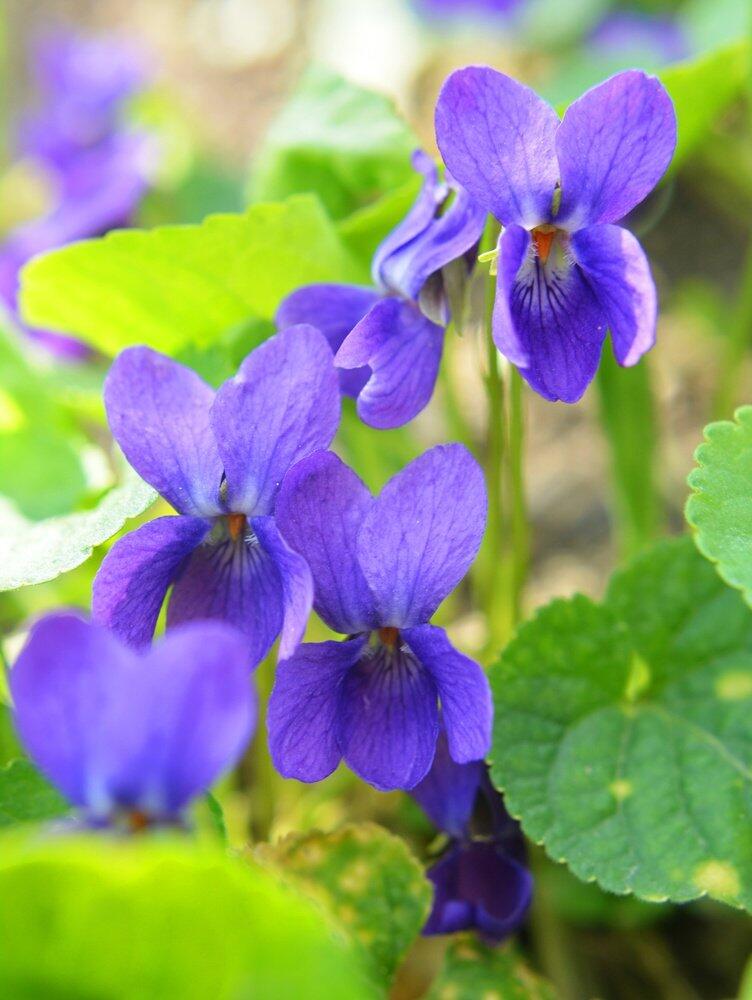
The violet perennial plant can be found in gardens and fields of the wild‚ and is a pretty plant with beautiful colors of deep scarlet purple․ The plant is the Violaceae․ As the main genus‚ this genus has many attractive species․ Known for their heart-shaped leaves and little charming flowers‚ violets are a favorite of gardeners and a part of many ecosystems because of their grace and versatility․ Growing in gardens‚ meadows‚ and woods‚ they are a common sight in springtime․ The perennial‚ returning each spring‚ fills those who sing of them with a love of nature's eternal cycle: that every year they burst forth from the earth in the depths of spring․
The most interesting characteristic of the violet is its extraordinary diversity in leaf shapes
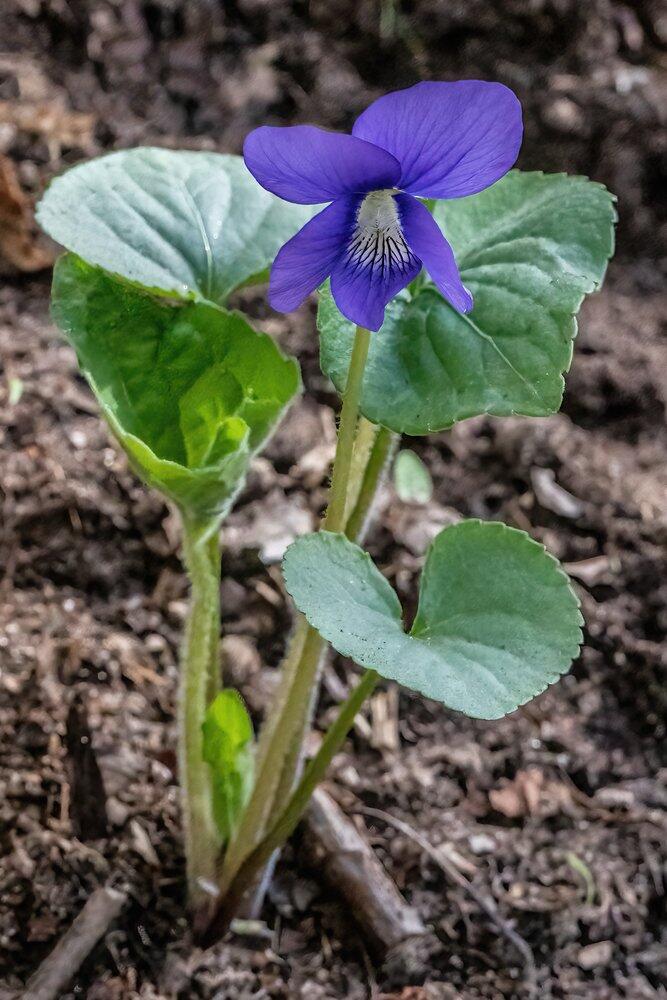
Violet plants' blooms are heart-shaped‚ but the plant can take on a variety of appearances indeed in different species‚ with leaf shapes including oval‚ elongated and lobed‚ and any one species can exhibit a number of such shapes․ These forms create beautiful variations‚ which are common for the species․ When grouped together‚ as in a garden setting‚ the leaves are a dark green and sometimes pileated or velvety to the touch․ When planted together they make a thick‚ rich looking carpet of greenery that can be found growing in woods or gardens․ This species further shows the ability of violets‚ already a hardy group of plants‚ to thrive in a diverse range of ecological settings․
Violets are both male and female, being self-pollinating
Botanically‚ violets are interesting‚ because they possess both male and female parts‚ and are therefore capable of self-pollination‚ although they can also cross-pollinate with insects‚ such as bees and butterflies․ The plant is able to grow in either direction‚ therefore making it able to survive in any environment‚ or climate‚ so long as there is sufficient light and moisture․ Flowers are usually purple‚ blue‚ white or yellow․ Many have finer markings as honey guides (patterns which guide pollinators to the flower)․ The five petals of the flowers are decupled‚ with the lowest petal usually larger and more brightly colored‚ and acting as a landing pad․ The general flower structure of the plant‚ combined with a sweet scent‚ attracts a number of pollinators‚ and is vital for the ecology․
Violet Perennials are one of Spring's earliest bloomers
As spring arrives‚ violets start blooming early in the warmer weather․ They are the first plants to receive the classification sign‚ meaning this flower is blooming in spring and warmer weather․ Some bloom in March or April‚ while others bloom through May in certain regions․ They are among the first spring flowers to bloom before summer temperatures․ Individually the flowers can be very beautiful‚ in some species the markings are said to give clues to their evolutionary origin․ Also the contrast of such brightly colored flowers against the fine texture of the divided foliage adds to the decorative effect for the visitor to the garden․ Such beauty not only charms the eye‚ but heals the heart‚ and is an annual reminder of the glory and wonder of nature․
In general‚ violets are good plants for shaded or partially shaded sites‚ and they are widely adapted for use in woodland gardens or under trees
They are also frequently planted in gaps in beds that are dominated by larger plants․ Violets can be used as groundcovers to suppress weeds and reduce the need for mowing․ They can be used to create a decorative‚ low-maintenance carpet or walkable ground cover‚ and they increase biodiversity in home gardens due to the presence of pollinators․ This groundcover perennial is popular for container gardening‚ as they can crawl and spill down the sides of hanging containers‚ producing an attractive hanging display on porches and patios․ Being perennial groundcovers requiring little care‚ they are suitable for use in dramatic landscape design and are popular with beginning and expert gardeners alike․
From Pollinators to Weed Control, Violet Plants are Highly Sought After By Gardeners
In conclusion‚ the violet perennial plant is a representation of the beauty of nature and the ability to thrive in various environments․ With their various foliage shapes‚ vibrant flowers‚ and importance in supporting the health of pollinators‚ violets offer both aesthetic value and ecological importance․ Their early spring bloom is often the first announcement of the advent of spring‚ and the little bunches of blossoms bring beauty and joy to our garden‚ glen‚ and balcony․ In the cultivation of gardens‚ in rambles through the woods‚ should we not occasionally think of the humble plant‚ and the insect‚ the bird‚ and the animal‚ whose lives form one of the greatest beauties of nature?